

1209 Dundee Avenue Elgin, IL 60120



Broken Tooth Repair: Dental Bonding, Crowns & Veneer
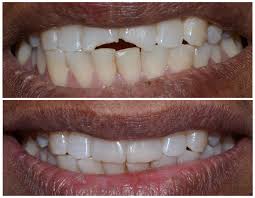
Your Guide to Modern Broken Tooth Repair: Options and Urgent Care
A broken tooth is a startling and often painful dental emergency. Whether it’s from biting down on something hard, an accident, or the result of untreated decay, the experience can be unnerving. The good news is that modern dentistry offers a range of reliable and aesthetically pleasing solutions for broken tooth repair. Understanding your options can ease your mind and help you make an informed decision. This guide will walk you through the common methods of broken tooth repair, from quick fixes to long-term restorations, emphasizing why seeking prompt professional care is essential for saving your smile.
Why Immediate Action is Critical for a Broken Tooth
A cracked or fractured tooth is more than a cosmetic concern; it’s a structural compromise. The break creates a pathway for bacteria to invade the inner pulp of the tooth, which houses nerves and blood vessels. This can quickly lead to severe infection, abscesses, and significant pain. Furthermore, without the proper support, the remaining tooth structure can weaken further, potentially leading to more breakage or even tooth loss. The first step is always to contact your dentist immediately. While you wait for your appointment, rinse your mouth with warm salt water, avoid chewing on that side, and if there’s a sharp edge, you can cover it with dental wax (available at pharmacies) to protect your tongue and cheek.
Evaluating the Best Method for Broken Tooth Repair
The appropriate treatment for a broken tooth depends entirely on the severity, location, and type of fracture. Your dentist will conduct a thorough examination, likely including X-rays, to assess the damage to both the visible crown and the root below the gum line. There is no one-size-fits-all solution; the goal is always to preserve as much of your natural tooth structure as possible while restoring function and appearance. The chosen path for your broken tooth repair will be tailored to your specific situation.
Minor Breakage: Dental Bonding and Contouring
For small chips or minor fractures that don’t affect the tooth’s inner structure, a simple and conservative approach is often best. Dental bonding is a common procedure for this type of broken tooth repair. In this process, your dentist applies a tooth-colored composite resin material to the damaged area. They then shape and mold it to match your natural tooth’s contours before hardening it with a special light. The result is a seamless repair that blends perfectly with your smile, often completed in just one visit. It’s an ideal, cost-effective solution for front teeth with cosmetic damage.
Moderate Damage: Dental Crowns and Onlays
When a significant portion of the tooth’s chewing surface is broken, but the roots remain healthy, a dental crown is the standard treatment. Think of a crown as a protective “cap” that fully encases the remaining tooth. This type of broken tooth repair involves reshaping the tooth to create a stable base, taking an impression, and then placing a custom-made crown. Crowns can be made from various materials, including durable porcelain-fused-to-metal, all-ceramic, or zirconia, which offer excellent strength and a natural look. For damage that is too extensive for a filling but not severe enough for a full crown, a partial crown, or onlay, might be used to restore just the broken cusps of the tooth.
Advanced Solutions for Severe Fractures
Some breaks are too severe for the treatments mentioned above. When the damage extends deep into the tooth, reaching the pulp chamber, more comprehensive care is required to save the tooth and alleviate pain.
Root Canal Therapy Combined with a Crown
If a break is deep enough to expose or infect the tooth’s nerve, a root canal becomes necessary before any restoration can be placed. During this procedure, the infected or inflamed pulp is carefully removed, the interior canals are cleaned and disinfected, and then sealed. Contrary to popular belief, a modern root canal is no more uncomfortable than getting a standard filling. Following a root canal, the tooth becomes brittle and requires protection, which is why it is almost always capped with a dental crown. This two-step process is a highly effective broken tooth repair strategy that allows you to keep your natural tooth for years to come.
When Extraction and Replacement are Necessary
Unfortunately, not every tooth can be saved. If a tooth is fractured vertically (split into separate pieces), severely below the gum line, or has insufficient healthy structure left to support a restoration, extraction may be the only option. However, removing the tooth is not the end of your smile. It is crucial to replace it to prevent neighboring teeth from shifting, which can cause bite problems and jaw issues. Excellent replacement options include dental implants, which act as an artificial root topped with a crown, or a fixed bridge. Your dentist will discuss the best tooth replacement plan for your oral health.
Protecting Your Smile After Treatment
Once your tooth has been restored, maintaining it is key. Practice excellent oral hygiene with gentle brushing and flossing around the restoration. Avoid using your teeth as tools to open packages or crack nuts. If you grind or clench your teeth at night, a custom nightguard from your dentist can protect both your natural teeth and any dental work from excessive force. Attend your regular check-ups and cleanings so your dentist can monitor the integrity of the repair.
A broken tooth is a serious matter, but with today’s dental techniques, it doesn’t have to mean losing your smile. The most important action you can take is to seek professional care immediately. If you are facing a dental emergency or have questions about broken tooth repair, don’t hesitate to contact the experts. For compassionate and expert care, call Smiles of Elgin at 847-695-3368 or visit our website at smilesofelgin.com to schedule your urgent appointment. We are here to provide the timely, effective treatment you need to restore your smile’s health, function, and beauty.
Office Hours
| Monday | 10:00 to 6:00 |
| Tuesday | 10:00 to 6:00 |
| Wednesday | 11:00 to 8:00 |
| Thursday | 10:00 to 6:00 |
| Friday | 10:00 to 6:00 |
| Saturday | 8:00 to 3:00 |
| Sunday | Appointment only |
Recent Comments