“Transparent Braces: Clear, Comfortable, and Effective Teeth Alignment”

“Transparent Braces: Clear, Comfortable, and Effective Teeth Alignment”

“Transparent Braces: Clear, Comfortable, and Effective Teeth Alignment”

Understanding Transparent Braces: A Modern Solution for Your Smile

If you’ve been considering orthodontic treatment but are concerned about the visibility of traditional metal braces, transparent braces may be the perfect solution for you. These clear braces offer an effective way to straighten your teeth discreetly while maintaining your confidence. At smilesofelgin.com, we specialize in providing patients with advanced orthodontic care that suits both their dental needs and lifestyle. For more information, call us at 847-695-3368.

Transparent braces combine the latest in orthodontic technology with aesthetics, making them an ideal choice for adults and teens who want a subtle treatment option. Unlike traditional braces, which are made of metal and are easily noticeable, transparent braces are crafted to blend with the natural color of your teeth. This allows you to undergo orthodontic treatment without compromising your appearance.

What Are Transparent Braces?

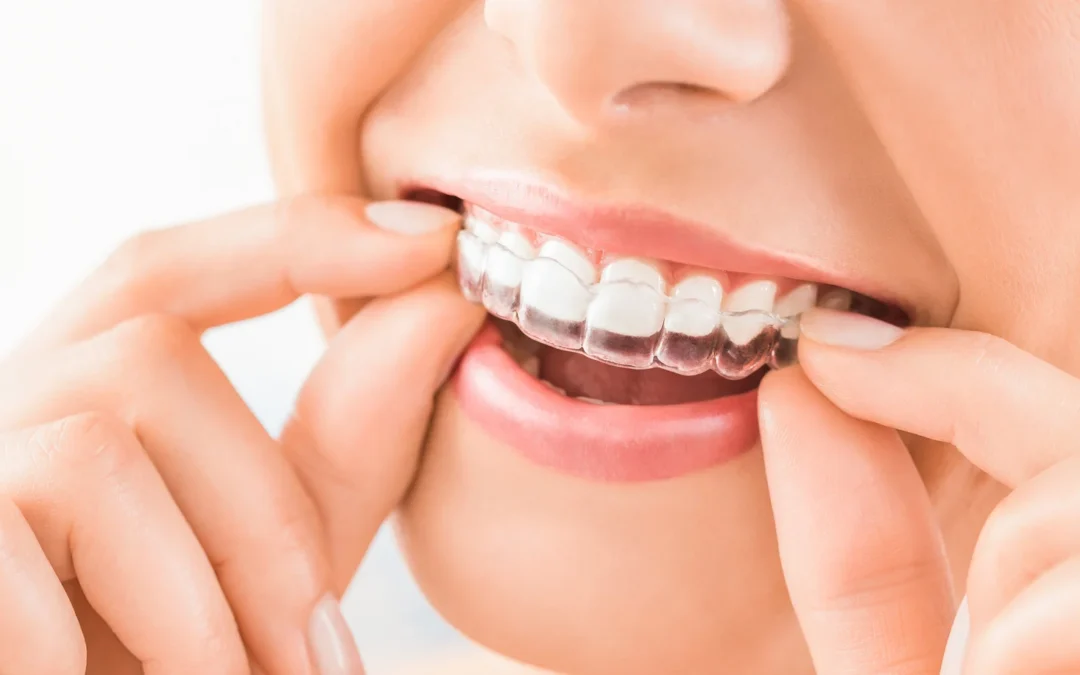
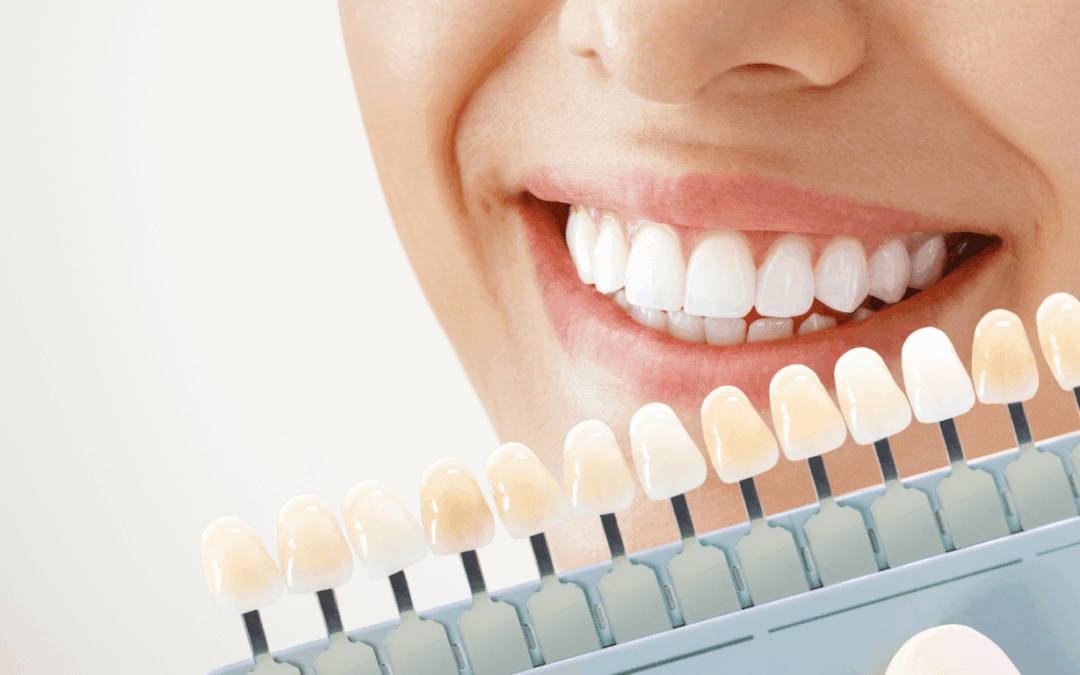
Transparent braces are orthodontic devices designed to straighten teeth using clear or tooth-colored brackets and wires. They work similarly to traditional braces by applying gentle pressure to move teeth into proper alignment. However, their clear design ensures they are less visible to others.

These braces are particularly popular among professionals, students, and adults who want effective treatment without drawing attention to their dental work. The comfort and aesthetic appeal of transparent braces make them an increasingly sought-after option for achieving a healthy, beautiful smile.

How Transparent Braces Work

Transparent braces function by applying consistent pressure to teeth, gradually shifting them into the desired position. Each bracket is carefully bonded to your teeth, and the archwire runs through the brackets to guide movement. Unlike traditional braces, transparent braces use materials that are discreet yet durable, ensuring the treatment is both effective and nearly invisible.

During your treatment, regular check-ups at smilesofelgin.com allow your orthodontist to adjust the braces and monitor progress. This ensures your teeth move efficiently and safely into their proper alignment. For any questions or to schedule your consultation, call 847-695-3368 today.

Benefits of Transparent Braces

Aesthetically Pleasing

One of the main benefits of transparent braces is their near-invisibility. The clear brackets blend seamlessly with your teeth, making them less noticeable in social and professional settings. Many patients feel more confident knowing their braces do not dominate their appearance.

Comfortable to Wear

Transparent braces are made from smooth materials that reduce irritation to the cheeks and gums. Their design prioritizes comfort while maintaining the effectiveness of tooth movement.

Effective Treatment Option

Despite being discreet, transparent braces are highly effective in correcting common dental issues, including overcrowding, gaps, and misaligned bites. Your orthodontist can customize the treatment plan based on your unique dental needs to achieve optimal results.

Caring for Your Transparent Braces

Maintain Oral Hygiene

Brush and floss regularly to prevent plaque buildup around the brackets. Transparent braces can become stained if proper oral hygiene is not maintained. Using a soft-bristle toothbrush and fluoride toothpaste can help keep your teeth clean and healthy.

Avoid Staining Foods and Drinks

Certain foods and beverages, such as coffee, tea, red wine, and foods with artificial coloring, can stain the clear brackets. While transparent braces are designed to resist discoloration, minimizing exposure to staining agents ensures your braces remain aesthetically pleasing throughout treatment.

Attend Regular Orthodontic Check-Ups

Consistent visits to your orthodontist are essential to monitor the progress of your treatment. Regular adjustments ensure your teeth move correctly and efficiently, reducing treatment time and enhancing overall results.

Transparent Braces vs. Other Orthodontic Options

Metal Braces

Traditional metal braces are highly effective and generally less expensive, but they are more visible and may cause discomfort due to their metal brackets and wires. Transparent braces provide the same results with a more subtle appearance.

Clear Aligners

Clear aligners are removable and nearly invisible, offering flexibility for patients. However, they require strict adherence to wearing them for 20-22 hours per day. Transparent braces remain fixed to the teeth, ensuring continuous treatment without relying on patient compliance.

Who Can Benefit from Transparent Braces?

Transparent braces are suitable for most patients seeking discreet orthodontic treatment. Adults and teens with mild to moderate dental misalignment often choose this option for its aesthetic and functional benefits. Your orthodontist at smilesofelgin.com can determine whether transparent braces are the best solution for your specific dental needs.

If you are looking for a solution that improves your smile without drawing attention to your orthodontic work, transparent braces may be the right choice for you. Call 847-695-3368 to schedule a consultation and explore your treatment options.

Schedule Your Transparent Braces Consultation Today

Investing in your smile has never been easier. Transparent braces offer a discreet, effective, and comfortable way to straighten your teeth. At smilesofelgin.com, we are committed to providing high-quality orthodontic care tailored to each patient’s needs.

For more information or to book an appointment, visit smilesofelgin.com or call 847-695-3368. Our team is ready to help you achieve the confident, healthy smile you deserve with the convenience and care you expect.
Recent Comments

    Archives

    Tooth Gems: Add Sparkle to Your Smile Safely and Stylishly

    Tooth Gems: Add Sparkle to Your Smile Safely and Stylishly

    Tooth Gems: Add Sparkle to Your Smile Safely and Stylishly

    Tooth Gems: Add Sparkle to Your Smile Safely and Stylishly

    If you’re looking to make your smile stand out, tooth gems are one of today’s most exciting cosmetic dental trends. These tiny jewels can add sparkle and personality to your teeth without invasive procedures or permanent changes. At Smiles of Elgin, our experienced dental team specializes in safe, professional applications of tooth gems that let you express your individuality while keeping your oral health in perfect condition.

    What Are Tooth Gems?

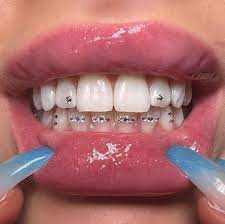
    Tooth gems are small decorative crystals, stones, or metallic pieces applied directly to the enamel surface of your teeth. They’re a temporary form of dental jewelry that enhances your smile’s appearance and allows for self-expression. Unlike older methods that involved drilling or adhesives that could damage enamel, modern applications are entirely non-invasive and reversible.

    These gems come in many styles and colors—from subtle clear crystals to bold designs featuring gold, diamonds, or colorful stones. Whether you want a single accent or a small design, tooth gems are customized to match your look and style.

    The Rising Popularity of Tooth Gems

    In recent years, tooth gems have become a fashion statement among celebrities, influencers, and anyone who wants to add flair to their smile. What was once considered an edgy trend in the 1990s has now evolved into a mainstream beauty accessory.

    Social media has fueled this resurgence, with millions of people showcasing their sparkly smiles online. But beyond aesthetics, what makes this trend so appealing is that it’s affordable, reversible, and professionally safe when done by a licensed dental professional.

    Benefits of Getting Tooth Gems

    There are several advantages to choosing a professional dental office for your gem application:

    • Non-invasive: No drilling or permanent changes to your teeth.
    • Quick procedure: Most appointments take less than 30 minutes.
    • Safe for enamel: Dental-grade bonding materials prevent damage.
    • Customizable: Choose from a wide range of gem colors, shapes, and sizes.
    • Temporary: Gems can be removed or replaced easily without harm.

    At Smiles of Elgin, we ensure every gem is applied with the utmost precision and care so you can enjoy a brilliant, confident smile without compromising oral health.

    How Tooth Gems Are Applied Professionally

    When applied by a trained dental professional, tooth gems are completely safe and long-lasting. Here’s how the process works:

    Step 1 – Cleaning and Preparation

    The tooth surface is thoroughly cleaned to remove any plaque or residue. This ensures a smooth, sterile area for bonding and better adhesion.

    Step 2 – Application of the Bonding Agent

    A small amount of dental adhesive is applied to the tooth, similar to the material used for orthodontic brackets.

    Step 3 – Placement of the Gem

    The chosen gem is carefully positioned on the tooth, then cured using a specialized dental light to harden the adhesive and secure it firmly in place.

    Step 4 – Final Check and Polishing

    Once the gem is set, the dentist ensures it’s smooth, properly aligned, and comfortable against your bite. The process is quick, painless, and requires no anesthesia.

    When done professionally, the gem can last several months to a year depending on your oral habits and care routine.

    Caring for Your Tooth Gems

    Proper care helps your gem stay in place and keeps your teeth healthy. Here are a few essential maintenance tips:

    • Brush gently around the gem to avoid loosening it.
    • Avoid biting hard foods directly on the gem.
    • Continue regular dental checkups and cleanings.
    • Skip at-home removal attempts—let a professional handle it safely.

    If you decide you no longer want the gem, a dentist can easily remove it using a quick, painless procedure that leaves your tooth smooth and intact.

    Are Tooth Gems Safe for Your Teeth?

    When applied correctly by a qualified dentist, tooth gems are safe and do not harm the enamel. The dental adhesive used is biocompatible and designed for temporary use. However, it’s important to avoid DIY kits or unlicensed applications, which can lead to:

    • Enamel erosion or damage
    • Tooth sensitivity
    • Improper bonding or gem detachment
    • Bacterial buildup under poorly applied gems

    At Smiles of Elgin, we use dental-grade materials and sterilized tools to ensure your comfort and safety. You’ll leave our office with a beautiful, sparkling smile that’s as healthy as it is stylish.

    How Long Do Tooth Gems Last?

    With proper care, a professionally applied gem can last anywhere from six months to a year—or even longer. The longevity depends on:

    • Your oral hygiene routine
    • The location of the gem
    • The type of bonding material used
    • Eating and chewing habits

    If you ever want to change your look, the gem can be removed and replaced at any time without harming your enamel. This flexibility makes tooth gems one of the most fun and low-risk cosmetic enhancements available today.

    Why Choose Smiles of Elgin for Tooth Gem Application?

    Choosing a licensed dental office for your gem application ensures both aesthetic beauty and dental safety. At Smiles of Elgin, our team is trained in precision cosmetic techniques that allow for seamless, secure placement without any damage to your teeth.

    We combine advanced dental technology with an artistic touch, giving each patient a customized sparkle that complements their personality. Whether you want a subtle shimmer or a statement piece, we help bring your vision to life safely and professionally.

    Ready to Shine? Schedule Your Tooth Gem Appointment Today!

    If you’re ready to elevate your smile with tooth gems, our dental experts are here to help you do it safely and beautifully. Contact Smiles of Elgin today at 847-695-3368 or visit smilesofelgin.com to book your appointment.

    Add sparkle, personality, and confidence to your smile with professional tooth gem application—because your smile deserves to shine as bright as you do.

    Recent Comments

      Archives

      Understanding What a Dentist Charges for Teeth Whitening: A Complete Guide

      Understanding What a Dentist Charges for Teeth Whitening: A Complete Guide

      Understanding What a Dentist Charges for Teeth Whitening: A Complete Guide

      Understanding What a Dentist Charges for Teeth Whitening: A Complete Guide

      A bright, confident smile can transform your appearance and boost your self-esteem. Professional teeth whitening has become one of the most popular cosmetic dental procedures, with millions of Americans seeking whiter smiles each year. If you’re considering enhancing your smile, you’re probably wondering about the dentist charge for teeth whitening and what factors influence these costs. Understanding the investment required for professional whitening can help you make an informed decision and avoid potential pitfalls of cheaper, over-the-counter alternatives that may deliver disappointing results or even damage your teeth.

      What Factors Influence the Dentist Charge for Teeth Whitening?

      The cost of professional teeth whitening isn’t a one-size-fits-all proposition. Several key elements contribute to the final price you’ll pay for your brighter smile.

      Type of Whitening Procedure

      Dentists typically offer two main types of professional whitening: in-office treatments and take-home kits. In-office whitening provides immediate, dramatic results in about 60-90 minutes, using high-concentration bleaching agents under professional supervision. This option commands a higher price due to the immediate results and professional oversight. Take-home kits provided by dentists feature custom-fitted trays and professional-grade bleaching gel that offer better results than over-the-counter options at a lower cost than in-office treatments.

      Geographic Location and Practice Overhead

      Where your dental practice is located significantly affects what a dentist charges for teeth whitening. Practices in metropolitan areas with higher costs of living typically charge more than those in rural areas. Additionally, practices with state-of-the-art technology and luxurious amenities may have higher pricing structures to cover their overhead expenses while providing a premium experience.

      Complexity of Your Case

      The current shade of your teeth and the type of staining present can impact the cost. Yellow stains typically respond better to whitening than gray or brown stains, which might require more intensive treatment. Teeth with tetracycline staining or discoloration from trauma may need extended treatment periods or alternative cosmetic approaches, potentially increasing the overall investment.

      Dentist’s Expertise and Reputation

      Experienced cosmetic dentists with specialized training and a portfolio of successful cases often charge premium prices for their expertise. While you might pay more initially, their skill can mean better results, reduced risk of complications, and a more customized approach to your whitening treatment.

      Comparing Professional Whitening Costs to Alternative Options

      When evaluating the dentist charge for teeth whitening, it’s helpful to understand how professional costs compare to other available options.

      Over-the-Counter Products

      Drugstore whitening strips, toothpaste, and kits typically range from $20 to $100. While initially cheaper, these products contain much lower concentrations of bleaching agents, require consistent use over weeks or months, and often provide subtle results that fade quickly. When you factor in the need for repeated purchases, the long-term cost may approach that of professional treatments without delivering comparable results.

      Whitening Services at Non-Dental Facilities

      Mall kiosks, spas, and other non-dental settings sometimes offer whitening services at prices lower than dental offices. However, these providers lack dental training, cannot assess your oral health beforehand, and often use generic trays that may irritate gums or lead to uneven whitening. The risks of gum damage, tooth sensitivity, and unsatisfactory results make these options potentially more costly in the long run.

      Subscription Whitening Services

      Recently, subscription-based whitening companies have emerged, offering regular deliveries of whitening products. While the monthly cost seems low, these subscriptions continue indefinitely, potentially exceeding the one-time cost of professional whitening over time while still using lower-strength formulas.

      What’s Included in the Professional Whitening Fee?

      When a dentist charges for teeth whitening, the fee typically encompasses more than just the bleaching procedure itself. Understanding what’s included helps justify the investment.

      Comprehensive Oral Examination

      Before any whitening procedure, your dentist will perform a thorough examination of your teeth and gums. This assessment identifies any underlying issues that need addressing before whitening, such as cavities, gum disease, or worn enamel. Treating these conditions first ensures safer whitening and better overall oral health.

      Professional Cleaning

      Most dentists include or recommend a professional cleaning before whitening treatments. This removes surface stains and plaque, allowing the whitening agents to work more evenly and effectively on your teeth rather than on accumulated debris.

      Customized Treatment Planning

      Based on your oral health assessment and desired results, your dentist will create a personalized whitening plan. This might involve addressing specific staining patterns, adjusting treatment intensity based on sensitivity concerns, or combining whitening with other cosmetic procedures for optimal results.

      Protective Measures

      During in-office whitening, dentists use protective barriers for your gums and lips to prevent irritation from the bleaching agents. This professional safeguard is unavailable in at-home or non-professional settings and significantly reduces the risk of chemical burns or soft tissue damage.

      Follow-up Care and Recommendations

      After your whitening procedure, your dentist provides specific instructions on maintaining your results and managing any temporary sensitivity. This ongoing support helps extend the longevity of your whitening investment and addresses any concerns that may arise post-treatment.

      The Long-Term Value of Professional Teeth Whitening

      While the initial dentist charge for teeth whitening might seem substantial, considering the long-term value helps put the cost into perspective.

      Duration of Results

      Professional whitening results typically last significantly longer than over-the-counter alternatives. With proper maintenance and occasional touch-ups, professional whitening can maintain its brilliance for one to three years or more, while drugstore results often fade within months.

      Safety and Reduced Risk

      The supervision of a dental professional minimizes risks associated with teeth whitening. Dentists can identify potential issues before they become problems and adjust treatment to accommodate sensitive teeth or gums, preventing damage that could lead to costly dental work later.

      Complementary Oral Health Benefits

      The examination that precedes professional whitening can uncover previously undetected dental issues. Addressing these problems not only enables safer whitening but also prevents more extensive and expensive dental work down the road.

      Maximizing Your Whitening Investment

      Once you’ve paid the dentist charge for teeth whitening, you’ll want to protect your investment and maintain your results for as long as possible.

      Follow Post-Whitening Instructions Carefully

      Your dentist will provide specific guidelines on what to avoid in the first 48 hours after whitening when your teeth are most porous and susceptible to restaining. Typically, this includes avoiding dark-colored foods and beverages like coffee, tea, red wine, and berries.

      Implement Smart Dietary Habits

      While you don’t need to completely avoid stain-causing foods and drinks, consuming them strategically can help maintain your whitening results. Using a straw for beverages, rinsing your mouth with water after consuming staining substances, and incorporating crunchy fruits and vegetables that naturally clean teeth can all help extend your results.

      Maintain Excellent Oral Hygiene

      Regular brushing with a whitening toothpaste (approved by your dentist), flossing daily, and using an antiseptic mouthwash help prevent new stains from forming and maintain overall oral health, which contributes to a brighter smile.

      Schedule Regular Dental Cleanings

      Professional cleanings every six months remove surface stains before they become deeply embedded, helping to maintain your whitening results longer. Your hygienist can also provide touch-up treatments if needed.

      Consider Whitening Maintenance Products

      Your dentist may recommend specific at-home maintenance products that are compatible with your professional whitening treatment. These professional-grade products are more effective than store-bought alternatives and are formulated to work with your specific dental needs.

      Addressing Common Concerns About Teeth Whitening Costs

      Many patients have specific concerns when considering the dentist charge for teeth whitening. Addressing these worries can help you feel more confident about your investment.

      “Is professional whitening worth the cost compared to DIY options?”

      While the upfront cost is higher, professional whitening provides significantly better, faster, and longer-lasting results. When you factor in the repeated purchases of ineffective drugstore products, the professional approach often provides better value over time.

      “Will whitening make my teeth sensitive?”

      Some sensitivity is common during and after whitening, but dentists have multiple strategies to minimize this discomfort, including using desensitizing agents, adjusting treatment intensity, and recommending specific products for sensitive teeth. This professional management of side effects is part of what you’re paying for.

      “How white can my teeth actually get?”

      Results vary based on your natural tooth color and type of staining, but your dentist can provide a realistic expectation during your consultation. Professional whitening typically achieves three to eight shades of improvement, dramatically enhancing your smile.

      “Are there financing options available?”

      Most dental practices offer financing plans or payment options to make professional whitening more accessible. These may include in-house payment plans or third-party financing through companies like CareCredit.

      Making the Decision: Is Professional Whitening Right for You?

      Determining whether the dentist charge for teeth whitening represents a good investment for you depends on your individual circumstances, goals, and budget.

      Ideal Candidates for Professional Whitening

      The best candidates for professional whitening have healthy teeth and gums without untreated dental issues. Those with yellow-toned stains typically see the best results, while grayish stains or discoloration from medication may respond less dramatically. People with realistic expectations about results and commitment to maintenance protocols tend to be most satisfied with their investment.

      Investing in Your Confident Smile

      Understanding what a dentist charges for teeth whitening helps you make an informed decision about enhancing your smile. While the initial investment may be higher than drugstore alternatives, the superior results, customized approach, and professional oversight make professional whitening a valuable investment in your appearance and confidence.

      Need more information, please contact us – smilesofelgin.com / 847-695-3368

      Recent Comments

        Archives

        Can’t Open Your Mouth? Emergency Solutions for TMJ and Jaw Injuries

        Can’t Open Your Mouth? Emergency Solutions for TMJ and Jaw Injuries

        Can’t Open Your Mouth? Emergency Solutions for TMJ and Jaw Injuries

        Can’t Open Your Mouth? Emergency Solutions for TMJ and Jaw Injuries

        A TMJ and swollen jaw (temporomandibular joint) dysfunction can make even simple tasks like eating or speaking unbearable. Whether caused by trauma, dislocation, or a severe TMJ flare-up, these conditions often require urgent care to restore function and relieve pain.

        At Smiles of Elgin, we specialize in treating acute jaw and TMJ disorders. If you’re experiencing severe pain, swelling, or inability to open your mouth, call us immediately at 847-695-3368 or visit smilesofelgin.com for emergency evaluation.

        When TMJ and Swollen Jaw Become Emergencies

        1. Jaw Dislocation (Lockjaw)

        • Sudden inability to close your mouth
        • Visible misalignment of the jaw
        • Extreme pain when attempting to move the jaw

        2. Trauma-Related Swelling

        • Facial injuries from accidents or blows
        • Fractured or broken jawbone
        • Severe bruising and difficulty moving the jaw

        3. Severe TMJ Flare-Ups

        • Intense pain radiating to the ears, neck, or temples
        • Clicking, popping, or grinding sounds with movement
        • Muscle spasms preventing mouth opening

        Emergency Treatments for TMJ and Swollen Jaw Injuries

        For Dislocations:

        • Manual jaw realignment by a dental professional
        • Muscle relaxants to reduce spasms
        • Supportive wrap or brace during healing

        For Trauma:

        • X-rays or CT scans to assess fractures
        • Surgical repair for severe breaks
        • Anti-inflammatory medications to reduce swelling

        For TMJ Disorders:

        • Custom night guards to prevent grinding
        • Physical therapy exercises
        • Corticosteroid injections for inflammation

        At-Home Care While Waiting for Treatment

        • Apply ice packs (20 minutes on, 20 minutes off)
        • Stick to soft foods – Avoid chewing if painful
        • Use OTC pain relievers (ibuprofen or acetaminophen)
        • Practice gentle jaw stretches (if movement is possible)

        When to Seek Immediate Help

        • Inability to open your mouth for more than 24 hours
        • Fever with jaw swelling (sign of infection)
        • Numbness or tingling in the face (nerve damage)

        Preventing Future TMJ and Swollen Jaw Problems

        • Wear a mouthguard if you grind your teeth
        • Avoid chewing gum or hard foods during flare-ups
        • Practice stress-reduction techniques (TMJ is often tension-related)

        Don’t Suffer in Silence – Get Help Today

        Persistent TMJ pain or a swollen jaw shouldn’t be ignored. At Smiles of Elgin, we provide same-day emergency care for jaw injuries and TMJ disorders. Call us now at 847-695-3368 or book online at smilesofelgin.com.

        Recent Comments

          Archives

          Lost a Crown or Filling? Temporary Fixes and When to Call the Dentist

          Lost a Crown or Filling? Temporary Fixes and When to Call the Dentist

          Lost a Crown or Filling? Temporary Fixes and When to Call the Dentist

          2>Lost a Crown or Filling? Temporary Fixes and When to Call the Dentist

          Losing a dental crown or filling can be a stressful experience, especially if it happens unexpectedly. Whether it’s due to biting into something hard, decay weakening the tooth, or just wear and tear over time, a missing restoration leaves your tooth vulnerable to damage, sensitivity, and infection. Knowing how to handle the situation temporarily—and when to call the dentist—can save you from unnecessary pain and complications.

          In this guide, we’ll cover:

          • Immediate steps to take if you lose a crown or filling
          • Temporary fixes to protect your tooth
          • Risks of delaying treatment (exposed nerves, infections, and further damage)
          • Pain management tips while waiting for professional care
          • When to seek emergency dental services
          • How dentists quickly restore protective structures

          What to Do Immediately After Losing a Crown or Filling

          If your crown or filling falls out, stay calm and follow these steps:

          1. Retrieve the Restoration (If Possible) – If your crown is intact, keep it in a safe place. In some cases, your dentist may be able to reattach it.
          2. Rinse Your Mouth – Use warm salt water to clean the area and remove debris.
          3. Inspect the Tooth – Check for sharp edges or exposed nerves, which can cause pain.
          4. Avoid Chewing on That Side – Protect the tooth from further damage.

          Temporary Fixes for a Lost Crown or Filling

          While waiting to see your dentist, these temporary solutions can help:

          For a Lost Crown:

          • Dental Cement or Temporary Adhesive – Available at most pharmacies, these can temporarily reattach the crown.
          • Dental Wax or Sugar-Free Gum – Can cover sharp edges to prevent irritation.
          • Avoid Hot/Cold Foods – Exposed teeth are highly sensitive.

          For a Lost Filling:

          • Over-the-Counter Temporary Filling Material – Brands like Dentemp can provide short-term protection.
          • Clove Oil – A natural pain reliever for tooth sensitivity.

          Note: These are not permanent solutions—always call the dentist as soon as possible.

          Risks of Delaying Treatment

          Ignoring a lost crown or filling can lead to serious complications:

          • Exposed Nerves – Without protection, the tooth’s inner nerves can become irritated, leading to severe pain.
          • Tooth Decay & Infection – Bacteria can enter the exposed area, causing cavities or abscesses.
          • Further Damage – Cracks or fractures may develop, requiring more extensive (and costly) treatments like root canals or extractions.

          Pain Management Until You See a Dentist

          While waiting for your appointment, try these pain relief methods:

          • Over-the-counter pain relievers (ibuprofen or acetaminophen)
          • Cold compress to reduce swelling
          • Avoid extreme temperatures (hot coffee, ice cream)

          When to Call the Dentist Immediately

          Some situations require urgent care. Call the dentist right away if you experience:

          • Severe, throbbing pain (possible nerve exposure)
          • Swelling, fever, or signs of infection
          • A completely broken tooth

          Emergency dental services can quickly restore your tooth’s protective structure, preventing long-term damage.

          How Dentists Restore Lost Crowns & Fillings

          Depending on the situation, your dentist may:

          • Reattach the original crown (if undamaged)
          • Place a new filling to seal the tooth
          • Fabricate a new crown if the old one is unusable
          • Perform a root canal if infection is present

          At Smiles of Elgin, our team provides prompt, expert care to relieve pain and restore your smile. If you’ve lost a crown or filling, don’t wait—call us at 847-695-3368 or visit smilesofelgin.com to schedule an appointment.

          Final Thoughts

          A lost crown or filling isn’t just an inconvenience—it’s a dental emergency waiting to happen. Temporary fixes can help in the short term, but only a dentist can provide a lasting solution. If you’re experiencing pain or sensitivity, don’t hesitate to call the dentist for professional care. Your teeth deserve the best protection!

          Recent Comments

            Archives

            Teeth Whitening Dentist Cost: Affordable Smile Brilliance

            Teeth Whitening Dentist Cost: Affordable Smile Brilliance

            Teeth Whitening Dentist Cost: Affordable Smile Brilliance

            Teeth Whitening Dentist Cost

            If you desire whiter teeth, you may be curious about the cost and benefits of teeth whitening. Teeth whitening has the potential to enhance your smile by making it noticeably brighter and more radiant. A whiter smile can boost confidence and self-esteem, improving personal and professional life beyond just looks.<\p>

            Consider the advantages and disadvantages before making a decision that matches your goals and priorities.

            You might be considering the financial aspect of the procedure. Weighing the benefits before making a decision is important. This guide will cover teeth whitening. We will explain the process, cost, alternative options, and benefits to enhance your confidence and well-being.<\p>

            Understanding Teeth Whitening

            Before delving into the financial aspects, let’s establish a solid understanding of what teeth whitening entails. This cosmetic procedure lightens teeth, removing stains from factors like diet, habits, and aging.

            To make teeth whiter, see a dentist for professional whitening treatments using strong solutions and procedures. This method uses a special light to speed up the whitening process. Dentists often use custom trays filled with whitening gel that patients wear at home for a set time to whiten teeth.

            Professional teeth whitening treatments from a dentist are often more effective and longer-lasting than over-the-counter options. Dentists can customize treatment to fit your needs and address any concerns or sensitivities during teeth whitening.

            In addition to professional treatments, there are also over-the-counter options available for whitening teeth. These typically consist of whitening toothpaste, strips, and gels that individuals can use at home. These products may not be as strong as professional treatments, but they can still help improve teeth appearance with regular use.<\p>

            Before whitening your teeth, consult a dentist to make sure it’s safe and right for you. This is important for your individual needs. They can guide the best options for achieving a brighter, whiter smile while maintaining good oral health. The other way is to use over-the-counter products like whitening strips or toothpaste.

            Teeth whitening uses bleach to remove stains by going through the enamel and breaking them down. Typically, the dentist performs this procedure at the office. However, you can also purchase take-home kits with trays for additional treatment at home.

            They are convenient and affordable, but may not give as dramatic or long-lasting results as professional treatments.

            Benefits of Professional Teeth Whitening

            While OTC products offer convenience, professional teeth whitening stands out for its superior results. Dentists utilize advanced techniques and potent bleaching agents, ensuring a more noticeable and longer-lasting outcome. Here are some compelling reasons why opting for professional whitening may be advantageous:

              Dentists personalize teeth whitening to fit your needs, giving you the best results for your specific dental requirements.

              Strong bleaching products can remove tough stains that regular products can’t, leading to a significant change in appearance.

              A dentist will supervise the whitening process in a safe setting to make sure it is safe and comfortable. Trained professionals will promptly take care of any issues that may arise.

            Now, let’s delve deeper into the financial aspect.

            Teeth Whitening Dentist Cost Breakdown

            The cost of professional teeth whitening can change depending on different factors. These factors include the location of the dental office, the dentist’s experience, and the type of whitening treatment selected. On average, professional teeth whitening dentist costs range from $300 to $1,000.

            It’s important to note that this cost may encompass additional expenses such as:

              Some dentists may charge a fee for the first consultation. During this appointment, they will check your teeth and discuss treatment options that align with your needs and preferences.

              Patients may need follow-up visits for whitening treatments, which can result in additional costs. Multiple sessions could be necessary to achieve the desired results, increasing the overall expense.

              Dentists provide home-use whitening kits to maintain the whiteness of teeth. These kits may cost extra but help maintain the results of the treatment for longer.

            Several factors influence the costs associated with teeth whitening:

              Dental offices in cities usually charge more because of higher living costs and expenses.

              Experienced dentists may cost more, but they usually provide better results and a more enjoyable experience for patients. This is because they have a wealth of knowledge and expertise in their field. Dentists with extensive experience and skills tend to provide patients with a more positive experience.<\p>

              New dental offices with better whitening tools may cost more because they invest in high-tech equipment for improved care.

            Professional teeth whitening may cost more at first, but it provides lasting value and benefits. An excellent choice for those desiring a more luminous and dazzling grin.

            Alternative Options for Affordable Teeth Whitening

            For people looking for cheaper teeth whitening options or wanting to do it at home, there are many choices to consider.

              Whitening strips from the store are a convenient and affordable option for whitening teeth. However, they may not provide results as noticeable as professional treatments.

              Special toothpaste can keep teeth white and make professional whitening last longer. It may not be as strong as professional treatments, but it can still remove stains and maintain dental brightness.

              Home remedies such as baking soda or hydrogen peroxide can slightly whiten teeth. However, the results may vary and may not be as effective or predictable as treatments provided by a dentist.

            Being realistic about what these options can achieve is important. They may not whiten your teeth as well or for as long as professional treatments.

            Conclusion: Investing in Your Smile

            Dental appointments may be expensive, but the reward of a better smile justifies the cost. Choosing professional whitening or other dental options can boost your self-esteem and well-being. Investing in your dental health can make a significant impact on how you look and feel.

            Consult a trusted dentist to find the best whitening option for your needs, preferences, and budget. With good care and treatment, you can have a nice smile that shows confidence and positivity wherever you go!<\p>
            Emergency call – 847-695-3368

            Recent Comments

              Archives