What Are Crowns for Teeth? Purpose, Types, and Dental Benefits

What Are Crowns for Teeth? Purpose, Types, and Dental Benefits

What Are Crowns for Teeth? Purpose, Types, and Dental Benefits

What Are Crowns for Teeth? A Complete Patient Guide

If you’ve ever wondered what are crowns for teeth, you’re not alone. Dental crowns are one of the most common restorative dental treatments used to protect damaged teeth, restore function, and improve appearance. This article explains everything patients need to know in clear, simple language.

Dental crowns are widely used in modern dentistry because they offer long-lasting protection while maintaining a natural look. Whether a tooth is cracked, weakened, or cosmetically flawed, a crown can help restore your smile and oral health.

What Are Crowns for Teeth and Why Are They Used?

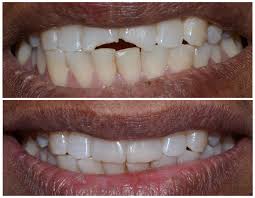
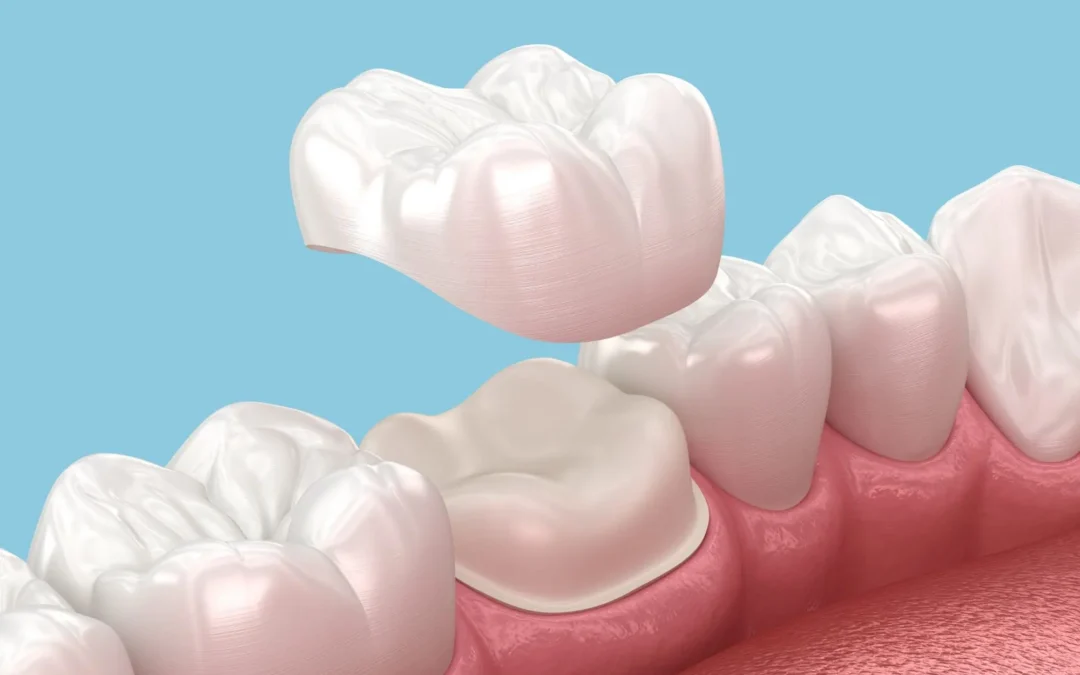
Dental crowns are custom-made caps that fully cover a tooth. They are designed to restore the tooth’s shape, size, strength, and appearance while protecting it from further damage.

Crowns are commonly recommended when a tooth is too damaged for a filling but not damaged enough to require extraction. They provide full coverage and reinforcement, making them a reliable solution for both functional and cosmetic dental issues.

What Are Crowns for Teeth Made Of?

Dental crowns are available in several materials, each chosen based on durability, appearance, and tooth location. Your dentist will recommend the best option based on your individual needs.

Common Dental Crown Materials

Porcelain or ceramic crowns are popular for front teeth because they closely match natural enamel. Porcelain-fused-to-metal crowns combine strength with aesthetics and are often used for back teeth.

Zirconia crowns are extremely durable and suitable for both front and back teeth. Gold and metal alloy crowns are less common but highly durable and gentle on surrounding teeth.

What Are Crowns for Teeth Used to Fix?

Dental crowns are versatile and can be used to restore a wide range of dental problems. They protect weakened teeth and help maintain proper bite alignment.

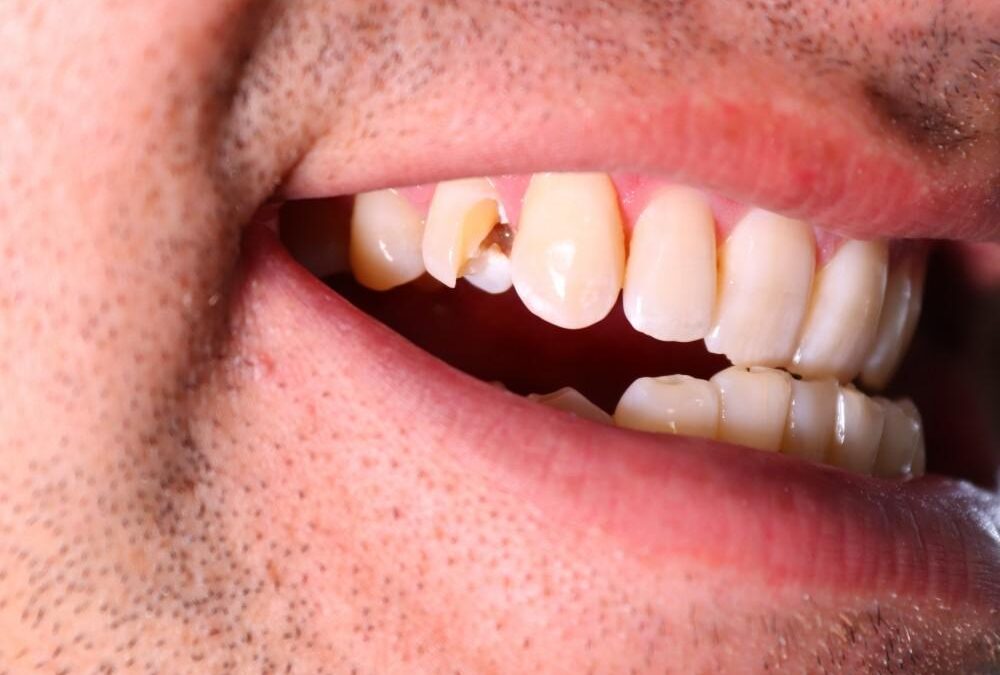
Crowns are commonly used to cover teeth with large cavities, restore cracked or broken teeth, protect teeth after root canal treatment, support dental bridges, and improve the appearance of misshapen or discolored teeth.

How Does the Dental Crown Procedure Work?

The dental crown procedure is typically completed over two visits. During the first visit, the dentist examines and prepares the tooth by removing damaged areas and reshaping it to fit the crown.

Impressions or digital scans are taken to create a custom crown. A temporary crown is placed to protect the tooth until the permanent crown is ready. During the second visit, the final crown is cemented and adjusted for comfort.

What Are Crowns for Teeth Compared to Fillings?

Fillings repair small areas of decay, while crowns are used when a tooth is structurally compromised. If a filling cannot provide sufficient strength, a crown becomes the safer and longer-lasting option.

Choosing a crown instead of a large filling can prevent future fractures and reduce the risk of tooth loss.

How Long Do Dental Crowns Last?

With proper care, dental crowns can last between 10 and 15 years or longer. Their lifespan depends on oral hygiene habits, bite pressure, and the material used.

Brushing, flossing, avoiding hard foods, and attending regular dental checkups can help extend the life of a crown.

Are Dental Crowns Painful?

Most patients experience little to no pain during the crown procedure. Local anesthesia is used to keep the treatment comfortable.

Some mild sensitivity may occur after placement, but this usually fades within a few days. Persistent discomfort should be evaluated by a dentist.

When Should You Consider a Dental Crown?

You may need a dental crown if you have a cracked tooth, severe tooth decay, recurring filling failures, or a tooth that has undergone root canal treatment.

Crowns are also an excellent option for patients seeking cosmetic improvements while maintaining natural tooth function.

Final Thoughts on Dental Crowns

Understanding what are crowns for teeth helps patients make informed decisions about their oral health. Crowns provide strength, protection, and a natural appearance that supports long-term dental wellness.

For more information or to schedule a consultation, contact Smiles of Elgin at 847-695-3368 or visit https://smilesofelgin.com.

Recent Comments

    Archives

    Dental Bridge Work Cost: A Complete 2026 Price Guide

    Dental Bridge Work Cost: A Complete 2026 Price Guide

    Dental Bridge Work Cost: A Complete 2026 Price Guide

    Understanding Your Investment: A Breakdown of Dental Bridge Work Cost

    The decision to replace a missing tooth is a significant investment in your oral health, function, and confidence. A dental bridge is a time-tested and reliable solution, offering a fixed, natural-looking replacement that can restore your smile and bite. As you explore this option, one of the primary considerations is the dental bridge work cost. This figure isn’t arbitrary; it reflects the customization, materials, and professional expertise required for a successful, long-lasting restoration. This guide will provide a transparent look at the factors that influence the overall price, helping you understand the value behind your investment and make an informed decision about your oral health.

    Key Factors That Determine Your Dental Bridge Work Cost

    The total expense for a bridge is not a single flat rate. It is a composite of several variables that are unique to your specific clinical situation and choices. Understanding these components is the first step in demystifying the dental bridge work cost you receive from your dentist.

    The Complexity of the Treatment Plan

    The most significant variable is the scope of work required. A basic three-unit bridge replacing one tooth is a different proposition than a longer span bridge or one that requires additional preparatory work. For instance, if the supporting teeth (abutments) have decay or old fillings, they may need build-up or core restorations first. If gum disease is present, it must be treated prior to any restorative work. The health of your abutment teeth and underlying bone directly impacts the complexity and, consequently, the overall treatment plan and its associated costs.

    Material Selection: Balancing Aesthetics and Durability

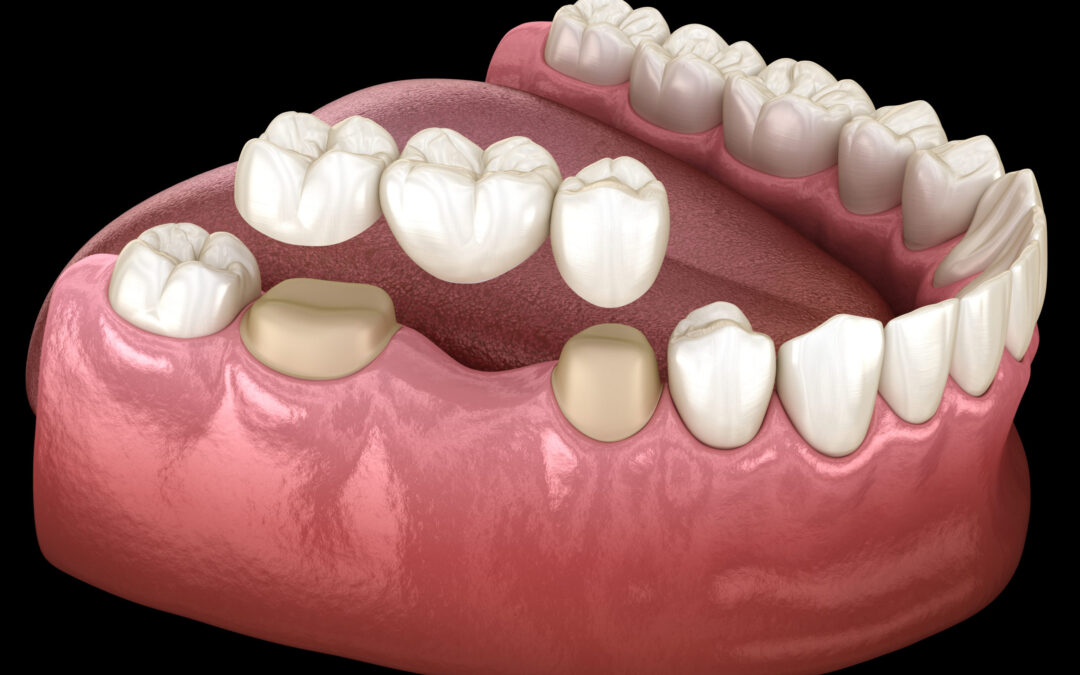
    The material you choose for the pontic (false tooth) and crowns significantly affects the price. There are several common options:

    Porcelain-Fused-to-Metal (PFM): A strong, proven, and often mid-range cost option. It has a metal substructure for strength covered by tooth-colored porcelain.

    All-Ceramic or All-Porcelain: These bridges offer the most natural translucency and color matching, making them an excellent choice for front teeth. High-quality ceramics like zirconia are also incredibly strong and suitable for back teeth, often at a higher price point than PFM.

    Gold Alloys: While less common for visible areas today, gold is exceptionally durable and gentle on opposing teeth. Its cost is tied to the precious metal market.

    Your dentist will help you weigh the benefits of each material for your specific bite and aesthetic goals.

    The Type of Bridge and Laboratory Fees

    Not all bridges are the same. A traditional fixed bridge, which requires preparing the adjacent teeth, is the most common type. However, if the adjacent teeth are perfectly healthy, a dentist might recommend a Maryland (resin-bonded) bridge or a cantilever bridge, each with different laboratory and placement protocols. Furthermore, the dental laboratory’s skill and the quality of materials they use are factored into the fee. A bridge is a custom-crafted medical device, and the laboratory’s artistry in shaping and coloring the restoration is a crucial part of the process.

    What Is Typically Included in the Quoted Dental Bridge Work Cost?

    A comprehensive quote should provide a clear breakdown. Typically, the total dental bridge work cost encompasses:

    Initial Consultations & Diagnostics: This includes examinations, X-rays, and sometimes 3D scans or digital impressions needed for precise planning.

    Preparatory Procedures: Any necessary treatments on the abutment teeth, such as fillings or root canals, are usually separate line items.

    The Bridge Fabrication: This covers the costs of the impressions, the dental laboratory fees, and the materials for the bridge itself.

    Placement Visits: The fees for preparing the teeth, placing temporary bridges, and the final cementation of the permanent bridge.

    Follow-Up Care: A post-placement check to ensure proper fit and comfort is often included.

    Evaluating the Long-Term Value of a Dental Bridge

    When considering the dental bridge work cost, it’s vital to look beyond the initial price tag and consider the long-term value. A well-made and properly cared-for bridge can last 10-15 years or more. This investment prevents the numerous problems associated with tooth loss, including:

    Shifting of Adjacent Teeth: Which can lead to bite issues and further tooth loss.

    Bone Loss: In the area of the missing tooth, which can alter facial structure.

    Difficulty Chewing: Which can impact nutrition and digestion.

    Strain on Remaining Teeth: Leading to excessive wear or damage.

    Compared to the ongoing costs of dealing with these complications, a bridge is a proactive investment in your long-term oral health and quality of life.

    Making Your Treatment Affordable: Exploring Financial Options

    At Smiles of Elgin, we believe financial concerns should not be a barrier to receiving essential dental care. We are committed to working with you to find a workable solution.

    Dental Insurance: Most dental insurance plans offer coverage for bridgework, typically paying a percentage (often 50%) of the cost after your deductible is met. Our administrative team will gladly help you verify your benefits and understand your out-of-pocket responsibility.

    Flexible Financing: We offer third-party financing options through trusted healthcare credit companies. These plans often feature low or no-interest payment plans, allowing you to spread the dental bridge work cost over time with manageable monthly payments.

    In-House Payment Plans: For some patients, we can arrange a structured payment schedule directly with our office.

    HSAs and FSAs: Payments using Health Savings Accounts or Flexible Spending Accounts are accepted, allowing you to use pre-tax dollars for your treatment.

    Replacing a missing tooth with a dental bridge is an investment that pays dividends in your health, function, and self-esteem. While the upfront dental bridge work cost is an important consideration, the true value lies in restoring your complete smile and preventing future dental problems.

    If you are considering a dental bridge and have questions about the process or the associated investment, we invite you to schedule a consultation. At Smiles of Elgin, we provide personalized, detailed treatment plans with transparent pricing. Our team will take the time to answer all your questions and explore all financial options with you. To begin your journey to a restored smile, contact us today at 847-695-3368 or visit our website at Smiles of Elgin. Let us help you make a confident, informed decision about your oral health.

    Recent Comments

      Archives

      Crown for Teeth – Restore Your Smile with Expert Dentistry

      Crown for Teeth – Restore Your Smile with Expert Dentistry

      Crown for Teeth – Restore Your Smile with Expert Dentistry

      Crown for Teeth: Restoring Your Smile and Strengthening Your Teeth

      If you have a damaged or weakened tooth, a crown for teeth can restore its strength, shape, and function. Crowns protect teeth that are cracked, decayed, or weakened after root canal treatment. At Smiles of Elgin, we provide customized dental crowns to help patients maintain healthy, beautiful smiles.

      What is a Crown for Teeth?

      A crown for teeth is a dental restoration that completely covers or “caps” a damaged tooth. Crowns restore the tooth’s appearance, size, and strength. They are often made from porcelain, ceramic, or metal, and are designed to match the natural color of your teeth. Crowns are essential for protecting teeth from further damage while improving their function and aesthetics.

      When is a Crown Needed?

      Crowns are commonly recommended in several situations:

      • To protect a weak tooth from breaking
      • To restore a broken or worn-down tooth
      • After a root canal procedure
      • To support a large filling when not much natural tooth remains
      • To cover misshaped or severely discolored teeth

      By addressing these issues, a crown for teeth helps maintain oral health and prevents further complications.

      Benefits of Getting a Crown

      Crowns provide multiple benefits for both function and appearance. They restore chewing ability, improve the appearance of teeth, and protect the tooth from further damage. In addition, crowns can help preserve dental alignment and prevent shifting of surrounding teeth. For patients seeking long-lasting solutions, crowns are an effective option.

      Types of Crowns for Teeth

      There are several types of crowns available, each suited for specific dental needs. Your dentist will recommend the best option based on the location of the tooth, aesthetic requirements, and overall oral health.

      Porcelain Crowns

      Porcelain crowns are highly aesthetic and blend naturally with surrounding teeth. They are commonly used for front teeth because of their realistic appearance. In addition, porcelain crowns resist staining and provide a natural-looking finish.

      Metal and Porcelain-Fused-to-Metal Crowns

      Metal crowns are extremely durable and are often used for molars that endure heavy chewing. Porcelain-fused-to-metal (PFM) crowns combine the strength of metal with the aesthetic appeal of porcelain. These crowns are ideal for patients needing both durability and a natural look.

      Ceramic Crowns

      All-ceramic crowns provide excellent aesthetics and are biocompatible, making them suitable for patients with metal allergies. They are strong enough for most teeth and offer a natural-looking restoration, particularly for front teeth.

      The Crown Procedure

      The process of getting a crown for teeth usually requires two dental visits. Each step is designed to ensure a perfect fit, comfort, and natural appearance.

      Tooth Preparation

      During the first visit, your dentist will prepare the tooth by removing a small portion of the enamel. This ensures the crown fits properly and aligns with your bite. An impression of your tooth is taken and sent to a dental lab to create a custom crown. In the meantime, a temporary crown protects your tooth.

      Crown Placement

      During the second visit, the temporary crown is removed, and the permanent crown is carefully placed. Your dentist will adjust it for a perfect fit and then bond it securely. After placement, the crown functions like a natural tooth, restoring both strength and appearance.

      Caring for Your Crown

      Proper care ensures that your crown lasts for many years. Maintaining good oral hygiene and regular dental visits are essential.

      Daily Oral Hygiene

      Brush twice daily and floss around the crown to prevent plaque buildup. Avoid chewing excessively hard foods directly on the crown, which could damage it. With proper care, most crowns last 10–15 years or longer.

      Regular Dental Checkups

      Routine dental visits are important to monitor the crown and surrounding teeth. Your dentist can detect any potential problems early and ensure your crown continues to function effectively. Regular checkups are an integral part of maintaining the benefits of a crown for teeth.

      Choosing the Right Dentist

      Selecting a skilled dentist is crucial for successful crown placement. Look for a dental office that provides customized care, advanced technology, and a friendly environment.

      Expertise and Experience

      At Smiles of Elgin, our team has extensive experience in placing high-quality crowns. We take the time to understand your dental needs and create restorations that look natural and last long.

      Personalized Care

      Personalized care ensures that each patient receives a treatment plan suited to their needs. From consultation to crown placement, Smiles of Elgin offers guidance and support to make the process smooth and comfortable. For more information or to schedule your appointment, call 847-695-3368 or visit Smiles of Elgin.

      Recent Comments

        Archives

        Broken Tooth Repair: Dental Bonding, Crowns & Veneer

        Broken Tooth Repair: Dental Bonding, Crowns & Veneer

        Broken Tooth Repair: Dental Bonding, Crowns & Veneer

        Your Guide to Modern Broken Tooth Repair: Options and Urgent Care

        A broken tooth is a startling and often painful dental emergency. Whether it’s from biting down on something hard, an accident, or the result of untreated decay, the experience can be unnerving. The good news is that modern dentistry offers a range of reliable and aesthetically pleasing solutions for broken tooth repair. Understanding your options can ease your mind and help you make an informed decision. This guide will walk you through the common methods of broken tooth repair, from quick fixes to long-term restorations, emphasizing why seeking prompt professional care is essential for saving your smile.

        Why Immediate Action is Critical for a Broken Tooth

        A cracked or fractured tooth is more than a cosmetic concern; it’s a structural compromise. The break creates a pathway for bacteria to invade the inner pulp of the tooth, which houses nerves and blood vessels. This can quickly lead to severe infection, abscesses, and significant pain. Furthermore, without the proper support, the remaining tooth structure can weaken further, potentially leading to more breakage or even tooth loss. The first step is always to contact your dentist immediately. While you wait for your appointment, rinse your mouth with warm salt water, avoid chewing on that side, and if there’s a sharp edge, you can cover it with dental wax (available at pharmacies) to protect your tongue and cheek.

        Evaluating the Best Method for Broken Tooth Repair

        The appropriate treatment for a broken tooth depends entirely on the severity, location, and type of fracture. Your dentist will conduct a thorough examination, likely including X-rays, to assess the damage to both the visible crown and the root below the gum line. There is no one-size-fits-all solution; the goal is always to preserve as much of your natural tooth structure as possible while restoring function and appearance. The chosen path for your broken tooth repair will be tailored to your specific situation.

        Minor Breakage: Dental Bonding and Contouring

        For small chips or minor fractures that don’t affect the tooth’s inner structure, a simple and conservative approach is often best. Dental bonding is a common procedure for this type of broken tooth repair. In this process, your dentist applies a tooth-colored composite resin material to the damaged area. They then shape and mold it to match your natural tooth’s contours before hardening it with a special light. The result is a seamless repair that blends perfectly with your smile, often completed in just one visit. It’s an ideal, cost-effective solution for front teeth with cosmetic damage.

        Moderate Damage: Dental Crowns and Onlays

        When a significant portion of the tooth’s chewing surface is broken, but the roots remain healthy, a dental crown is the standard treatment. Think of a crown as a protective “cap” that fully encases the remaining tooth. This type of broken tooth repair involves reshaping the tooth to create a stable base, taking an impression, and then placing a custom-made crown. Crowns can be made from various materials, including durable porcelain-fused-to-metal, all-ceramic, or zirconia, which offer excellent strength and a natural look. For damage that is too extensive for a filling but not severe enough for a full crown, a partial crown, or onlay, might be used to restore just the broken cusps of the tooth.

        Advanced Solutions for Severe Fractures

        Some breaks are too severe for the treatments mentioned above. When the damage extends deep into the tooth, reaching the pulp chamber, more comprehensive care is required to save the tooth and alleviate pain.

        Root Canal Therapy Combined with a Crown

        If a break is deep enough to expose or infect the tooth’s nerve, a root canal becomes necessary before any restoration can be placed. During this procedure, the infected or inflamed pulp is carefully removed, the interior canals are cleaned and disinfected, and then sealed. Contrary to popular belief, a modern root canal is no more uncomfortable than getting a standard filling. Following a root canal, the tooth becomes brittle and requires protection, which is why it is almost always capped with a dental crown. This two-step process is a highly effective broken tooth repair strategy that allows you to keep your natural tooth for years to come.

        When Extraction and Replacement are Necessary

        Unfortunately, not every tooth can be saved. If a tooth is fractured vertically (split into separate pieces), severely below the gum line, or has insufficient healthy structure left to support a restoration, extraction may be the only option. However, removing the tooth is not the end of your smile. It is crucial to replace it to prevent neighboring teeth from shifting, which can cause bite problems and jaw issues. Excellent replacement options include dental implants, which act as an artificial root topped with a crown, or a fixed bridge. Your dentist will discuss the best tooth replacement plan for your oral health.

        Protecting Your Smile After Treatment

        Once your tooth has been restored, maintaining it is key. Practice excellent oral hygiene with gentle brushing and flossing around the restoration. Avoid using your teeth as tools to open packages or crack nuts. If you grind or clench your teeth at night, a custom nightguard from your dentist can protect both your natural teeth and any dental work from excessive force. Attend your regular check-ups and cleanings so your dentist can monitor the integrity of the repair.

        A broken tooth is a serious matter, but with today’s dental techniques, it doesn’t have to mean losing your smile. The most important action you can take is to seek professional care immediately.

        If you are facing a dental emergency or have questions about broken tooth repair, don’t hesitate to contact the experts. For compassionate and expert care, call Smiles of Elgin at 847-695-3368 or visit our website at smilesofelgin.com to schedule your urgent appointment. We are here to provide the timely, effective treatment you need to restore your smile’s health, function, and beauty.

        Recent Comments

          Archives

          Emergency Help for Broken or Cracked Teeth: When Every Minute Counts

          Emergency Help for Broken or Cracked Teeth: When Every Minute Counts

          Emergency Help for Broken or Cracked Teeth: When Every Minute Counts

          Emergency Help for Broken or Cracked Teeth: When Every Minute Counts

          A cracked or broken tooth is more than just a cosmetic issue—it’s a dental emergency that requires immediate attention. Whether from a fall, sports injury, or biting down on something hard, a fractured tooth can expose nerves, lead to infections, and even result in permanent tooth loss if left untreated.

          If you’re searching for emergency help for broken or cracked teeth, knowing what to do in those critical first moments can make all the difference. This guide covers common causes, first-aid steps, and why prompt professional care is essential to saving your smile.

          Common Causes of Cracked or Broken Teeth

          1. Trauma from Falls or Accidents

          Slips, trips, and falls are leading causes of dental fractures, especially in children and older adults. A sudden impact can chip, crack, or completely break a tooth.

          2. Sports Injuries

          Contact sports like hockey, football, and basketball pose a high risk for dental trauma. Even non-contact activities (e.g., skateboarding or cycling) can lead to cracked teeth if proper mouthguards aren’t worn.

          3. Biting Hard Objects

          Chewing ice, hard candy, popcorn kernels, or non-food items (like pens) can cause hairline fractures or sudden breaks in teeth.

          4. Untreated Cavities or Large Fillings

          Weakened enamel from decay or large fillings increases the risk of cracks, especially under pressure from chewing.

          5. Teeth Grinding (Bruxism)

          Chronic clenching or grinding wears down enamel over time, making teeth more prone to fractures.

          First-Aid Tips for a Broken or Cracked Tooth

          1. Save Any Broken Pieces

          If part of the tooth has chipped off, rinse it with water and store it in milk or saline solution. Bring it to the dentist—it may be possible to reattach it.

          2. Rinse Your Mouth

          Use warm saltwater to clean the area and reduce bacteria. Avoid alcohol-based mouthwashes, as they can irritate exposed nerves.

          3. Control Bleeding

          Apply gentle pressure with clean gauze or a damp tea bag if there’s bleeding.

          4. Reduce Swelling

          A cold compress on the cheek near the affected area can minimize swelling and numb pain.

          5. Cover Sharp Edges

          If the cracked tooth has a jagged edge, cover it with dental wax (available at pharmacies) or sugar-free gum to protect your tongue and cheeks.

          6. Avoid Certain Foods

          Stick to soft foods and avoid chewing on the damaged side until you see a dentist.

          Why Immediate Dental Care Is Crucial

          Delaying treatment for a cracked tooth can lead to:

          • Infection: Bacteria can enter the tooth’s pulp, causing an abscess.
          • Nerve Damage: Prolonged exposure leads to irreversible pain and sensitivity.
          • Tooth Loss: Severe cracks may require extraction if not treated early.
          • Costly Procedures: A small crack today could mean a root canal or crown later.

          When to Seek Emergency Care

          Contact a dentist immediately if you experience:

          • Severe pain or sensitivity
          • Visible cracks or missing tooth fragments
          • Swelling in the gums or face
          • Difficulty eating or speaking

          Emergency Dental Care in Elgin

          If you or a loved one has suffered a dental fracture, Smiles of Elgin offers same-day emergency care. Call 847-695-3368 for immediate assistance. Our team provides:

          • Same-day appointments for urgent cases
          • Pain management and temporary repairs
          • Permanent solutions (bonding, crowns, or root canals)

          Visit smilesofelgin.com to learn more about our emergency services and how we can help restore your smile.

          Final Thoughts

          A cracked tooth won’t heal on its own—every minute counts in preventing further damage. Whether from an accident, injury, or untreated decay, prompt action can save your tooth and avoid complications.

          Don’t wait in pain! If you need emergency help for broken or cracked teeth, contact Smiles of Elgin now. Your smile is worth protecting.

          Recent Comments

            Archives