
Tooth Broken Pain: Emergency Relief and Treatment Guide

Tooth Broken Pain: Emergency Relief and Treatment Guide

Tooth Broken Pain: Emergency Relief and Treatment Guide

Coping with Tooth Broken Pain: A Guide to Immediate Relief and Repair

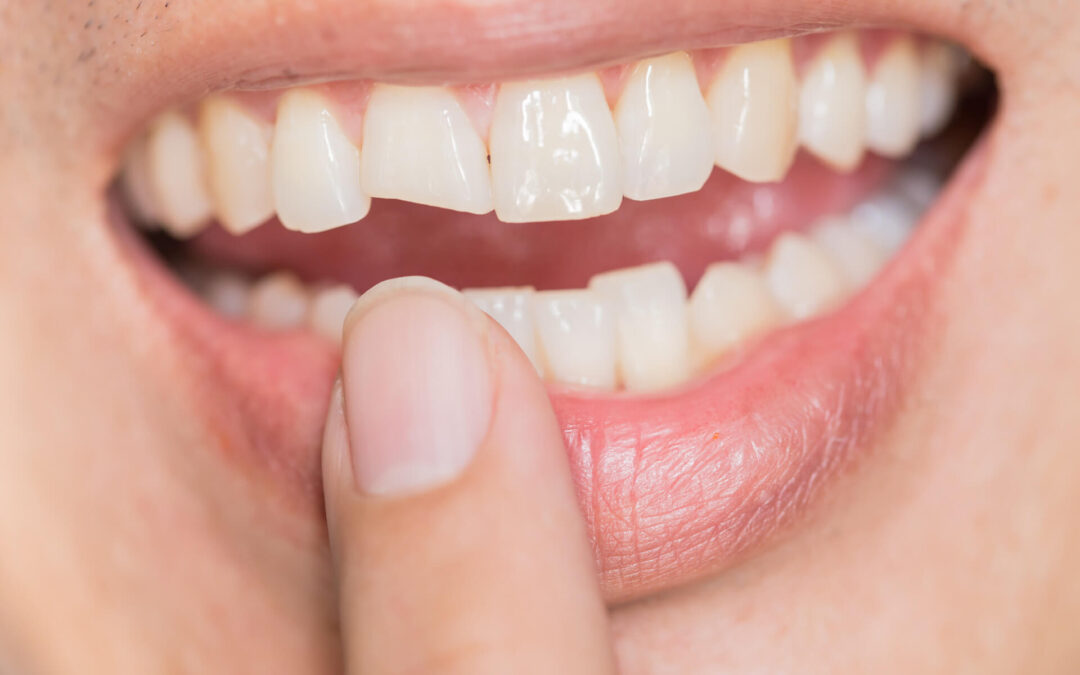
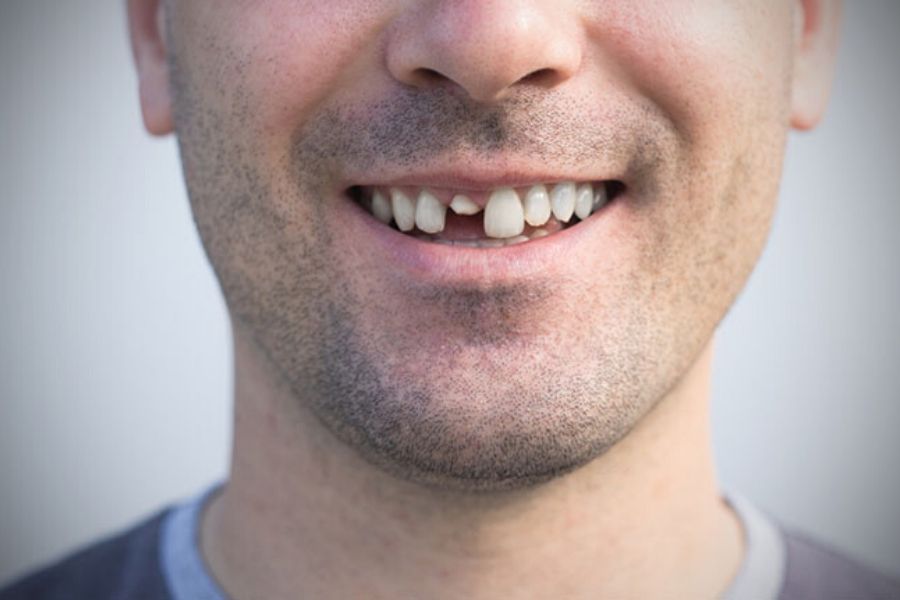
The sudden, sharp sensation of a broken tooth is an experience that immediately commands your attention. Whether from an accident, biting on something hard, or due to underlying decay, the resulting tooth broken pain can range from a mild annoyance to severe, throbbing agony. This pain is your body’s urgent signal that the protective outer layers of your tooth have been compromised, exposing sensitive inner structures. Understanding how to manage this discomfort and the critical steps to take next is essential for preserving your tooth and restoring your comfort.

Why a Broken Tooth Causes Immediate and Severe Pain

To appreciate the intensity of tooth broken pain, it helps to understand the tooth’s anatomy. Beneath the hard, white enamel and the supportive dentin layer lies the pulp chamber. This inner sanctum houses the tooth’s nerve, blood vessels, and connective tissue. A break that exposes the dentin or the pulp itself creates a direct pathway for stimuli—like air, temperature changes, and pressure—to reach the nerve. This exposure is the primary source of that sharp, often shocking, pain. Furthermore, the fracture can cause inflammation and pressure within the tooth, leading to a persistent, dull ache that can radiate to your jaw or ear.

The Direct Link Between Fracture Depth and Pain Level

The severity and character of your pain are direct clues to the extent of the damage. A minor chip that only affects the enamel may cause little to no discomfort but might feel rough to the tongue. However, a deeper fracture that reaches the dentin typically causes noticeable sensitivity, especially to sweet, hot, or cold foods and drinks. The most severe tooth broken pain occurs when the fracture exposes the pulp. This often results in constant, throbbing, or spontaneous pain that may worsen when lying down, as blood flow to the head increases. Ignoring this level of pain can lead to infection and abscess formation.

Immediate First Aid to Manage Tooth Broken Pain at Home

While professional dental care is non-negotiable for a broken tooth, there are several immediate steps you can take to manage the pain and protect the area before your appointment. Acting quickly can prevent further damage and make you more comfortable.

Steps to Reduce Sensitivity and Protect the Tooth

First, gently rinse your mouth with warm salt water to clean the area and reduce the risk of infection. If there is bleeding, apply light pressure with a piece of sterile gauze. To cover any sharp or jagged edges that could cut your tongue or cheek, use dental wax (available at most pharmacies) or a small piece of sugarless chewing gum. This simple step can provide significant relief from incidental irritation. Adjust your diet immediately: avoid chewing on the affected side and stick to soft, lukewarm foods and beverages. Extreme temperatures and hard textures will likely trigger intense pain.

Safe and Effective Pain Management Before Your Appointment

Over-the-counter pain relievers can be very effective. Non-steroidal anti-inflammatory drugs (NSAIDs) like ibuprofen are often recommended because they address both pain and inflammation. Always follow the dosage instructions on the label. Applying a cold compress or an ice pack wrapped in a cloth to the outside of your cheek for 15-minute intervals can also help numb the area and reduce swelling. Avoid placing any painkillers, like aspirin, directly against the gum or tooth, as this can cause chemical burns to the soft tissue.

The Critical Importance of Prompt Professional Treatment

Home care is a temporary measure. A broken tooth cannot heal itself, and delaying treatment will almost certainly lead to more pain, more complex procedures, and a higher cost. The exposed nerve is vulnerable to bacteria from your mouth, which can cause a painful infection or abscess in the root and jawbone. Furthermore, what might start as a simple crack can propagate with chewing pressure, leading to a complete split that makes saving the tooth impossible.

How Your Dentist Will Diagnose and Resolve the Pain

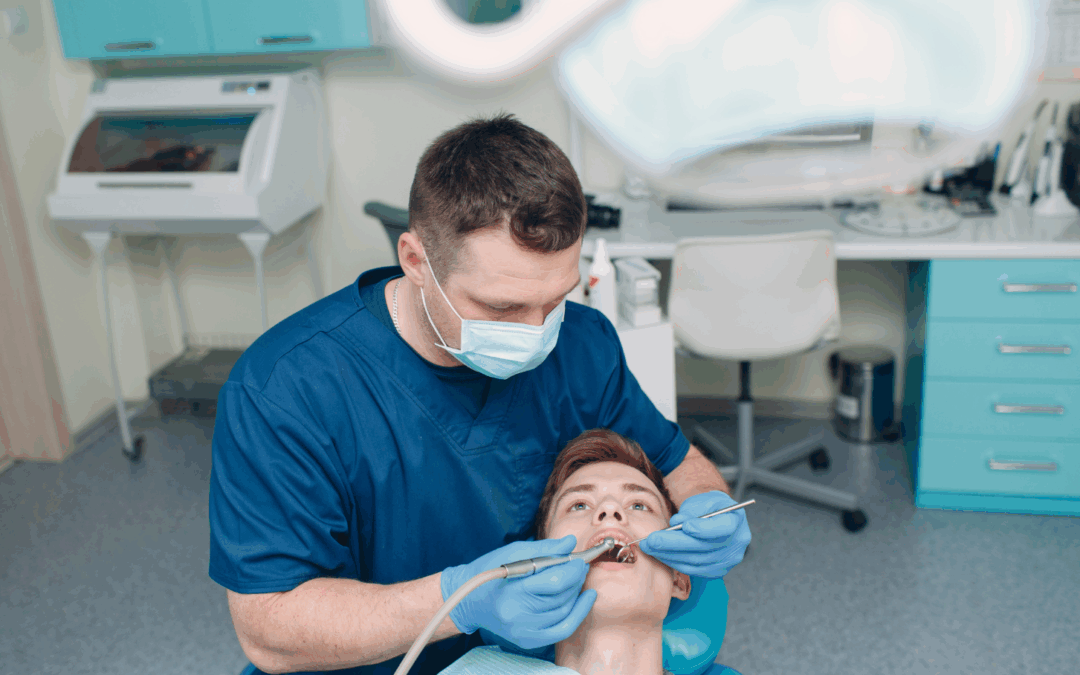
Your dentist will perform a thorough examination, which will likely include X-rays to see the extent of the fracture below the gum line. The treatment plan is entirely dependent on how deep the break goes. For minor chips, dental bonding or a veneer can quickly restore appearance and function. For moderate breaks, a dental crown will be used to cap and protect the remaining tooth structure. If the pulp is exposed or infected (indicated by severe, lingering tooth broken pain, a root canal treatment will be necessary to remove the damaged nerve before placing a crown. In the most severe cases where the tooth is split vertically or far below the gumline, extraction may be the only option, followed by discussions about replacement with an implant or bridge.

Preventing Future Incidents and Protecting Your Smile

Once your immediate

A broken tooth is a distressing event, but with the right knowledge and prompt action, you can navigate the situation effectively. The pain is a clear call to action—one that should lead you straight to expert care.

If you are suffering from the intense discomfort of a broken tooth, don’t endure the pain. The team at Smiles of Elgin is here to provide urgent, compassionate, and effective care. We offer same-day emergency appointments to diagnose the cause of your pain and provide the treatment needed to relieve it.
Contact us immediately at 847-695-3368 or visit Smiles of Elgin for more information. Let us help you move from pain to relief and restore your healthy smile.
Recent Comments

    Archives

    Emergency Dental Care for Pain, Infection, Trauma & Broken Teeth

    Emergency Dental Care for Pain, Infection, Trauma & Broken Teeth

    Emergency Dental Care for Pain, Infection, Trauma & Broken Teeth

    Navigating a Dental Care Emergency: Your Guide to Immediate Action and Relief

    A sudden, sharp pain in your mouth, a broken tooth from a fall, or unexpected swelling in your gums can be alarming. When these situations arise, knowing how to respond is crucial for your health and comfort. A dental care emergency requires prompt attention to alleviate pain, prevent complications, and save your teeth. This guide will help you identify what constitutes a true emergency, the immediate steps you can take at home, and when it’s essential to seek professional help from your trusted dental team.

    Identifying a True Dental Care Emergency

    Not every dental discomfort requires an urgent visit, but certain symptoms should never be ignored. A true dental care emergency typically involves severe pain, trauma, bleeding that won’t stop, or signs of a serious infection. Differentiating between an urgent issue and a problem that can wait a day or two for a regular appointment can help you stay calm and take the right action.

    Common Scenarios That Require Urgent Attention

    Several specific situations warrant an immediate call to your dentist. A knocked-out (avulsed) tooth is a critical emergency where time is of the essence; the tooth has the highest chance of being reimplanted if treated within 60 minutes. An abscess or serious infection, often signaled by a pimple-like swelling on the gums, severe throbbing pain, and sometimes fever, can spread and become systemic if not treated promptly. Uncontrollable bleeding from the mouth, a loose or severely displaced adult tooth due to injury, and a cracked or fractured tooth with severe pain are all clear indicators that you need emergency care.

    Issues That Can Often Wait

    Some dental problems, while uncomfortable, may not constitute an immediate emergency if managed properly. A lost filling or crown can often be temporarily addressed with dental cement from a pharmacy until you can see your dentist. A minor chip without pain, a dull toothache without swelling, or a broken orthodontic wire that isn’t causing trauma can typically be scheduled as a priority appointment rather than an after-hours emergency visit.

    Your Immediate Response: First Aid for Dental Emergencies

    Knowing what to do in the moments following a dental injury can significantly impact the outcome. Remaining calm and taking these specific first-aid steps can manage pain, protect your oral structures, and buy you valuable time before you reach professional care.

    First Aid for a Knocked-Out Tooth

    Handle the tooth only by the crown (the chewing surface), never the root. If it’s dirty, rinse it gently with milk or saline solution—do not scrub it. If possible, try to reinsert it into the socket, holding it in place with gentle pressure. If you cannot reinsert it, place it in a container of milk, saline, or a tooth preservation product. Your own saliva is a last resort. Call your dentist immediately and get to the office as fast as possible.

    Managing Severe Pain and Swelling

    For a toothache, rinse your mouth with warm salt water to cleanse the area and use dental floss to gently remove any trapped food that may be causing pressure. A cold compress applied to the outside of your cheek can help reduce swelling and numb pain. Over-the-counter anti-inflammatory pain relievers like ibuprofen can be effective, but never place aspirin directly on the gums or tooth, as it can burn the tissue.

    Containing the Damage: Cracks, Breaks, and Lost Restorations

    If you fracture a tooth, rinse your mouth with warm water and save any pieces. Use a cold compress on the area to minimize swelling. If there is a sharp edge, cover it with dental wax or sugarless gum to protect your tongue and cheek. For a lost crown or filling, you can use temporary dental cement from a drugstore to cover the sensitive area until you can see your dentist.

    Why Prompt Professional Treatment is Non-Negotiable

    Attempting to “wait out” a serious dental issue can lead to far more complex, painful, and expensive problems down the line. What starts as a manageable dental care emergency can quickly escalate without proper intervention.

    An untreated infection from an abscess can spread to your jaw, other areas of your head and neck, or even enter your bloodstream, becoming a life-threatening condition called sepsis. A cracked tooth that is not treated can split further, often necessitating a more invasive procedure like a root canal or even extraction instead of a simple crown. A knocked-out tooth that isn’t reimplanted in time will be lost, requiring a bridge, implant, or denture to fill the space and maintain your oral function and bone health.

    Seeking urgent care is not just about stopping pain—it’s about preserving your natural teeth, preventing secondary health issues, and securing the most straightforward and conservative treatment path available.

    Your Partner in Urgent Dental Care

    When a dental care emergency strikes, you need a team you can trust to provide compassionate, expert, and timely care. At Smiles of Elgin, we understand the stress and discomfort that comes with unexpected dental injuries and severe pain. Our practice is equipped to handle urgent situations, offering same-day emergency appointments whenever possible to address your pain, diagnose the problem, and begin immediate treatment to stabilize your oral health.

    We are committed to being your reliable partner for all aspects of dental health, especially when you need us most. Don’t hesitate to reach out in an urgent situation; our team is here to guide you and provide the relief you need.

    If you are experiencing a dental care emergency, severe pain, or trauma, please do not wait. Contact Smiles of Elgin immediately at 847-695-3368. Our team will provide immediate phone guidance and work to see you as soon as possible. For more information about our services, you can also visit our website at smilesofelgin.com. Your health and comfort are our top priorities.

    Recent Comments

      Archives

      Cracked Tooth Pain: Symptoms, Dangers, and How to Fix It

      Cracked Tooth Pain: Symptoms, Dangers, and How to Fix It

      Cracked Tooth Pain: Symptoms, Dangers, and How to Fix It

      Understanding and Treating Cracked Tooth Pain: Causes, Symptoms, and Solutions

      A cracked tooth can start as a minor issue but quickly turn into a source of significant discomfort. If you’re experiencing cracked tooth pain, understanding what’s happening and how to treat it can make all the difference in preserving your smile and oral health. At Smiles of Elgin, our experienced dental team specializes in diagnosing and repairing cracked teeth to relieve pain and prevent further complications.

      What Causes Cracked Tooth Pain?

      Cracked teeth can develop for several reasons, often related to everyday habits and natural wear. Some common causes include:

      • Biting hard objects: Chewing ice, hard candy, or unpopped popcorn kernels can cause fractures.
      • Bruxism (teeth grinding): Chronic grinding places stress on enamel, leading to cracks.
      • Trauma or injury: Sports accidents, falls, or car collisions may cause visible or internal tooth fractures.
      • Large fillings: Weakened teeth with large restorations are more prone to cracking.
      • Sudden temperature changes: Consuming something hot and then cold in quick succession can stress enamel.

      When a crack forms, it can extend into the inner layers of the tooth, exposing nerves and leading to cracked tooth pain that can range from mild sensitivity to severe, sharp discomfort.

      Signs and Symptoms of Cracked Tooth Pain

      Recognizing the symptoms early helps prevent extensive damage. Here are the most common signs that may indicate a cracked tooth:

      • Sharp pain when chewing or biting down
      • Sensitivity to hot, cold, or sweet foods
      • Intermittent pain that comes and goes
      • Discomfort around a particular tooth with no visible cavity
      • Swelling around the affected tooth

      Because cracks can be microscopic or hidden beneath the gum line, only a professional dental examination can confirm the diagnosis.

      Types of Tooth Cracks and Their Severity

      Not all cracks are the same, and understanding the type of fracture helps determine the best treatment.

      Hairline Cracks

      These small, surface-level fractures usually affect only the enamel. While they might not always cause pain, they can lead to sensitivity if left untreated.

      Fractured Cusp

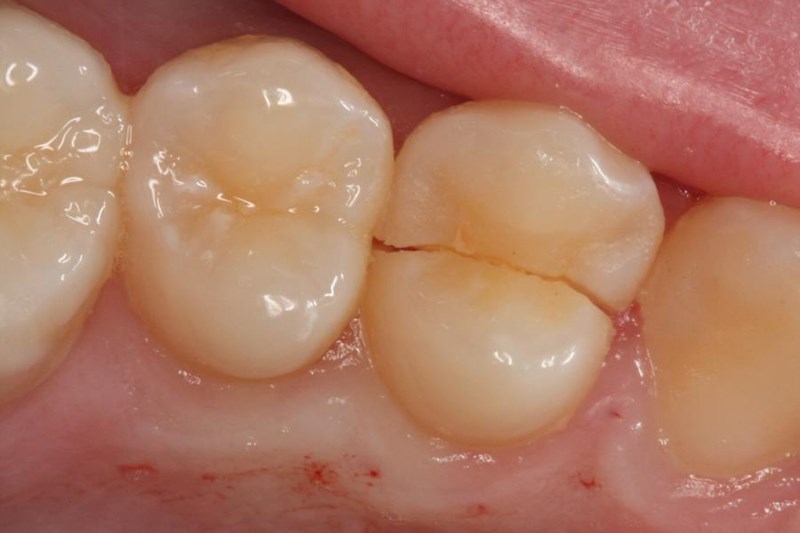
      This occurs when a portion of the chewing surface breaks off, often around a filling. It may not always cause intense cracked tooth pain, but it does require attention to prevent further damage.

      Split Tooth

      A more serious condition, a split tooth happens when a crack runs from the surface down to the root. Treatment depends on the extent of damage—sometimes requiring extraction or root canal therapy.

      Vertical Root Fracture

      These cracks begin below the gum line and move upward, often showing minimal symptoms until infection sets in.

      Diagnosing Cracked Tooth Pain

      Because cracks can be difficult to detect with the naked eye, dentists use several diagnostic methods, including:

      • Visual examination: Using magnification and lighting to identify visible fractures.
      • Dental dye tests: Applying dye to highlight hidden cracks.
      • X-rays: While cracks might not always appear, X-rays can reveal related issues like nerve damage.
      • Bite tests: Having patients bite down on a dental instrument to locate the pain’s source.

      At Smiles of Elgin, we use advanced diagnostic technology to pinpoint even the smallest fractures and recommend the most effective solutions.

      Effective Treatments for Cracked Tooth Pain

      Treatment for a cracked tooth depends on the severity and location of the fracture. Early intervention can often save the tooth and prevent infection.

      Dental Bonding

      For small, surface-level cracks, bonding can restore the tooth’s appearance and function. A resin material is applied, shaped, and hardened to protect the enamel and alleviate discomfort.

      Dental Crowns

      When a larger portion of the tooth is compromised, a crown can provide strength and protection. Crowns cover the entire tooth, preventing the crack from spreading and reducing cracked tooth pain.

      Root Canal Therapy

      If a crack extends into the pulp (nerve tissue), root canal treatment removes the damaged nerve, seals the tooth, and eliminates infection risk. This is often necessary when pain becomes persistent or severe.

      Tooth Extraction and Replacement

      In cases where the crack extends below the gum line or splits the tooth completely, extraction may be the only solution. After removal, replacement options such as dental implants or bridges can restore both appearance and function.

      Preventing Future Cracks and Pain

      Once you’ve dealt with cracked tooth pain, prevention becomes a top priority. Here are some ways to protect your teeth going forward:

      • Avoid biting hard foods or objects.
      • Wear a mouthguard if you grind your teeth or play contact sports.
      • Don’t use your teeth as tools to open packages.
      • Maintain regular dental visits for checkups and cleanings.
      • Address minor dental issues before they escalate into cracks.

      With proper care and professional monitoring, most patients can avoid recurring fractures and maintain strong, healthy smiles.

      Why Choose Smiles of Elgin for Cracked Tooth Treatment?

      Our practice is committed to helping patients in Elgin and the surrounding communities find lasting relief from dental discomfort. We combine modern technology, gentle techniques, and personalized care to make your experience as comfortable as possible.

      From diagnosis to treatment and aftercare, our team ensures that your cracked tooth is repaired efficiently and effectively. If you’re experiencing pain or sensitivity, it’s important not to delay treatment—early action often prevents more complex dental issues.

      Contact Us Today for Relief from Cracked Tooth Pain

      Don’t let cracked tooth pain affect your daily life. The sooner you seek care, the better your chances of saving the tooth and relieving discomfort. Call 847-695-3368 or visit smilesofelgin.com to schedule an appointment today. Our compassionate team at Smiles of Elgin is here to help restore your comfort and confidence—one smile at a time.

      Recent Comments

        Archives

        Tooth Pain Medicine: Best OTC Options & When to See a Dentist

        Tooth Pain Medicine: Best OTC Options & When to See a Dentist

        Tooth Pain Medicine: Best OTC Options & When to See a Dentist

        Your Guide to Effective Tooth Pain Medicine and Relief

        A sudden toothache can be a debilitating experience, turning a normal day into a painful ordeal. In these moments, finding the right tooth pain medicine is a top priority for most people. While these medications are excellent for temporary relief, it’s crucial to understand that they are a bridge to professional dental care, not a permanent cure. This guide will walk you through the different types of over-the-counter and prescription options, how they work, and when it’s time to call the professionals at Smiles of Elgin for a long-term solution.

        Understanding the Source of Your Pain

        Before reaching for any medication, it’s helpful to consider what might be causing your discomfort. Tooth pain can stem from various issues, including cavities, abscesses, cracked teeth, gum disease, or an exposed tooth root. The type of pain—whether it’s a sharp, stabbing sensation, a constant throbbing, or sensitivity to hot and cold—can provide clues about the underlying problem. Temporary relief is possible, but a dentist must diagnose and treat the root cause to prevent the issue from worsening.

        Over-the-Counter Tooth Pain Medicine Options

        For most common toothaches, over-the-counter (OTC) medications are the first line of defense. They are easily accessible and can effectively manage mild to moderate pain. The key is knowing which type to choose based on your specific situation and health profile.

        Anti-Inflammatory Pain Relievers

        This category is often the most effective for dental pain. Medications like Ibuprofen (Advil, Motrin) and Naproxen Sodium (Aleve) work by reducing inflammation in the affected area. Since much dental pain is caused by swelling that puts pressure on nerves, these drugs target the problem directly. For best results, it’s often recommended to take the first dose before your local anesthetic wears off after a procedure. Always follow the dosage instructions on the bottle and consult with a doctor if you have conditions like kidney disease, stomach ulcers, or are on blood thinners.

        Acetaminophen for Pain Management

        If you cannot take anti-inflammatory drugs, Acetaminophen (Tylenol) is a reliable alternative. It works primarily as an analgesic, meaning it blocks pain signals in the brain rather than reducing swelling. While it may not be as targeted for inflammation-based tooth pain, it is excellent for managing the overall sensation of pain. It is generally safer for the stomach but must be used with caution to avoid liver damage. Never exceed the maximum daily dose.

        Topical Gels for Targeted Relief

        For surface-level pain, such as that caused by a canker sore or minor gum irritation, topical numbing gels can provide temporary relief. These products often contain Benzocaine, which temporarily numbs the area. It’s important to use these as directed and avoid using them for severe, deep pain, as they only treat the surface tissues and not the underlying tooth problem.

        When Prescription Tooth Pain Medicine is Necessary

        For more severe pain, such as that following a surgical procedure like a tooth extraction or a root canal, or pain from a significant infection, your dentist may prescribe something stronger. These medications are used for a short period to manage acute, severe pain and should be used with extreme care.

        Understanding Prescription Painkillers

        In cases of intense pain, dentists may prescribe opioid medications like hydrocodone or oxycodone for a limited time. These are powerful drugs that alter the brain’s perception of pain. It is absolutely critical to follow the prescription instructions precisely. Due to the risk of dependence and side effects like drowsiness and nausea, they are typically prescribed for only a few days. Never share these medications, and dispose of any unused pills properly.

        The Role of Prescription Antibiotics

        It is vital to remember that antibiotics are not a form of tooth pain medicine. They do not relieve pain directly. Instead, they treat bacterial infections. If your tooth pain is caused by an abscess or a dental infection, your dentist will prescribe antibiotics to eliminate the bacteria. The pain will subside as the infection clears, but you may still need OTC pain relievers during this process. Always complete the entire course of antibiotics as prescribed, even if you start to feel better.

        Safe and Effective Use of Pain Medication

        Using any medication, whether OTC or prescription, requires responsibility. Always read the label and follow the recommended dosages. Be aware of potential interactions with other medications you are taking. For instance, some pain relievers can interact with blood pressure medications or antidepressants. When in doubt, consult with your pharmacist or doctor. It’s also wise to avoid alcohol when taking pain medication, as it can increase the risk of side effects, especially with acetaminophen and opioids.

        Home Remedies to Complement Medicine

        In addition to medication, simple home care can enhance your comfort. Rinsing your mouth with warm salt water can help reduce inflammation and cleanse the area. Applying a cold compress to the outside of your cheek for 15-minute intervals can numb the pain and reduce swelling. Clove oil, which contains a natural anesthetic called eugenol, can also provide temporary relief when applied carefully to the affected gum area.

        The Most Important Step: Seeking Professional Care

        While tooth pain medicine is invaluable for managing discomfort, it is a temporary solution. Pain is your body’s signal that something is wrong. Masking the pain without addressing the cause can lead to more serious and costly dental problems down the line, including the spread of infection or the loss of a tooth.

        If you are experiencing a persistent toothache that lasts more than a day or two, or if it is severe and accompanied by fever, swelling, or pus, it is a dental emergency. You need a professional diagnosis and treatment.

        For lasting relief and expert care, contact Smiles of Elgin. Our team is ready to diagnose the cause of your pain and provide the treatment you need to restore your oral health and comfort. You can reach us at 847-695-3368 or visit our website at smilesofelgin.com to schedule an appointment. Don’t just treat the symptom—let us solve the problem.

        Recent Comments

          Archives

          The Ultimate Guide to Finding Effective Treatment for Broken Tooth Pain

          The Ultimate Guide to Finding Effective Treatment for Broken Tooth Pain

          The Ultimate Guide to Finding Effective Treatment for Broken Tooth Pain

          The Ultimate Guide to Finding Effective Treatment for Broken Tooth Pain

          A sudden, sharp pain when biting down, an uncomfortable sensitivity to temperature changes, or a persistent, throbbing ache—these are all telltale signs of a broken tooth. This common dental emergency can turn simple daily activities like eating and drinking into painful challenges. Finding the right treatment for broken tooth pain is crucial not only for immediate comfort but also for preventing further complications. While at-home remedies can provide temporary relief, understanding your professional options is essential for long-term dental health. This comprehensive guide will walk you through everything you need to know about managing discomfort and restoring your dental well-being.

          A fractured tooth exposes the sensitive inner layers to bacteria, temperature extremes, and pressure, leading to significant discomfort. The enamel, which is the hardest substance in the human body, protects the more vulnerable dentin and pulp beneath. When this protective barrier is compromised, every sip of coffee or bite of food can send a jolt of pain through your jaw. The immediate goal of any treatment for broken tooth pain is to protect the area, reduce inflammation, and calm the nerve response until you can receive professional dental care. It’s important to remember that while self-care measures can manage symptoms temporarily, they do not address the underlying cause of the problem.

          Understanding Why a Broken Tooth Causes Such Intense Pain

          To effectively address dental pain, it helps to understand its source. Your teeth are complex structures composed of multiple layers, each with a specific function and sensitivity level.

          The Anatomy of a Tooth

          The outermost layer of your tooth is the enamel—a remarkably hard, protective surface that contains no living cells or nerves. Beneath the enamel lies the dentin, a porous tissue that contains microscopic tubules leading to the nerve center of the tooth. When the enamel is compromised, these tubules allow stimuli to reach the nerves, resulting in pain. At the core of the tooth is the pulp, which contains blood vessels, connective tissue, and nerves. When a crack or break reaches this area, it can cause intense, persistent pain and lead to infection.

          Types of Tooth Fractures

          Not all tooth fractures are created equal. Understanding the type of break you’re dealing with can help you and your dentist determine the appropriate treatment for broken tooth pain. Craze lines are superficial cracks that only affect the enamel and typically don’t cause pain. A more serious fracture might involve the cusp (the pointed part of the chewing surface), which often causes discomfort when chewing. More severe cases include cracks that extend toward the root or split teeth, which often require immediate professional attention.

          Immediate First Aid: Steps to Take Before Seeing a Dentist

          When you first discover a broken tooth, taking the right steps can minimize pain and prevent further damage while you arrange for professional care.

          Managing Initial Discomfort

          Begin by rinsing your mouth with warm salt water to clean the area and reduce bacteria. If you’re experiencing swelling, apply a cold compress to the outside of your cheek in 15-minute intervals. This can help reduce inflammation and numb the area temporarily. Over-the-counter pain relievers like ibuprofen can be effective for managing discomfort, but always follow dosage instructions carefully and consult with a pharmacist if you have any health conditions that might contraindicate their use.

          Protecting the Damaged Tooth

          If the fracture has created sharp edges that might cut your tongue or cheek, cover them with orthodontic wax or sugar-free chewing gum. Avoid chewing on the side of your mouth with the damaged tooth, and stick to soft foods that require minimal chewing. Temperature sensitivity is common with tooth fractures, so avoid extremely hot or cold foods and beverages that might trigger pain responses.

          Professional Treatment Options for Broken Tooth Pain

          While temporary measures can provide short-term relief, professional dental care is essential for addressing the root cause of your discomfort and preventing further complications. The appropriate treatment for broken tooth pain depends on the severity and location of the fracture.

          Dental Bonding and Fillings

          For minor fractures that primarily affect the enamel, dental bonding might be the recommended solution. This procedure involves applying a tooth-colored composite resin to the damaged area, which is then shaped and hardened with a special light. The process is relatively quick, often completed in a single visit, and can effectively restore the tooth’s appearance and function while eliminating sensitivity.

          Dental Crowns for Extensive Damage

          When a significant portion of the tooth structure is compromised, a dental crown may be the best treatment for broken tooth pain. Crowns are custom-made caps that fit over the entire visible portion of the tooth, providing protection and restoring function. The process typically requires two visits: one to prepare the tooth and take impressions, and a second to place the permanent crown. Modern dentistry offers various crown materials, including porcelain, ceramic, and metal alloys, each with specific advantages.

          Root Canal Therapy

          If the fracture has extended into the pulp of the tooth, causing infection or inflammation of the nerve tissue, root canal therapy may be necessary. Contrary to popular belief, modern root canal procedures are relatively comfortable and highly effective at eliminating pain while preserving the natural tooth. This treatment for broken tooth pain involves removing the damaged pulp, cleaning and disinfecting the inner chambers of the tooth, and then sealing them to prevent reinfection.

          Tooth Extraction and Replacement Options

          In cases where the tooth is severely damaged and cannot be saved, extraction may be the only option. While this might seem like a drastic measure, today’s dentistry offers excellent replacement options, including dental implants and bridges. These solutions not only restore function but also prevent the shifting of adjacent teeth that can occur when a tooth is missing.

          Preventing Future Dental Fractures

          Once you’ve addressed the immediate issue, taking steps to prevent future dental injuries is wise. Using a mouthguard during sports activities can protect your teeth from trauma. If you grind your teeth at night (a condition called bruxism), a custom-fitted night guard can prevent excessive wear and tear on your tooth enamel. Avoiding bad habits like chewing on ice, hard candy, or non-food objects like pens can also reduce your risk of dental fractures.

          When to Seek Emergency Dental Care

          While some tooth fractures can wait for a scheduled appointment, certain symptoms require immediate attention. If you’re experiencing severe, uncontrolled pain, significant bleeding that doesn’t stop, signs of infection (such as fever, swelling, or pus), or if you’ve completely knocked out a tooth, seek emergency dental care right away. These could be signs of a serious condition that needs prompt treatment for broken tooth pain to prevent permanent damage or systemic health issues.

          Why Professional Care is Essential for Broken Teeth

          Attempting to manage a broken tooth solely with home remedies is not advisable. Without proper professional care, what begins as a minor fracture can develop into a serious infection that affects not only your oral health but your overall wellbeing. Bacteria from an infected tooth can enter your bloodstream and potentially affect other parts of your body. Additionally, an untreated fracture can worsen over time, potentially leading to the complete loss of the tooth, which would require more extensive and expensive treatment to address.

          Don’t Endure the Pain—Seek Professional Help Today

          A broken tooth is more than just an inconvenience; it’s a dental emergency that requires prompt, professional attention. While the temporary measures discussed can provide short-term relief, they are no substitute for expert care from a qualified dental professional. If you’re experiencing discomfort from a broken or fractured tooth, our compassionate and experienced team at Smiles of Elgin is here to help. We provide emergency dental care to address your pain and restore your dental health. Please don’t hesitate to reach out to us at 847-695-3368 to schedule an urgent appointment. Let us provide you with the permanent solution and the peace of mind that comes with expert care.

          Recent Comments

            Archives

            Your Ultimate Guide to Effective Broken Tooth Pain Relief

            Your Ultimate Guide to Effective Broken Tooth Pain Relief

            Your Ultimate Guide to Effective Broken Tooth Pain Relief

            Your Ultimate Guide to Effective Broken Tooth Pain Relief

            A sudden, sharp pain when you bite down, an uncomfortable sensitivity to hot coffee or ice cream, or a nagging ache that just won’t subside—a broken tooth is more than just an inconvenience; it’s a dental emergency that demands immediate attention. The discomfort can range from a mild annoyance to severe, debilitating pain that impacts your daily life. While the only definitive solution is professional dental care, finding effective broken tooth pain relief in the interim is crucial for your comfort and well-being. This comprehensive guide is designed to help you manage the pain safely at home and understand why seeking expert care from a trusted practice like Smiles of Elgin is the most important step you can take.

            A fractured tooth exposes the inner, sensitive layers of your tooth to the elements. Under the hard, white enamel is a layer called dentin, and beneath that lies the pulp—the living core of the tooth filled with nerves and blood vessels. When a break compromises these areas, every sip, bite, and breath can trigger a wave of pain. The goal of immediate broken tooth pain relief is to protect the area, reduce inflammation, and calm the nerve response until you can see a dentist. Remember, these measures are temporary; they treat the symptom (pain) but not the underlying cause (the break itself), which will only worsen without professional intervention.

            Understanding Why a Broken Tooth Hurts So Much

            To effectively manage pain, it helps to understand its source. Your teeth are not solid bone; they are complex structures.

            Enamel: The outermost layer is the hardest substance in the human body. It has no nerves, so a small chip that only affects enamel may not hurt at all.

            Dentin: Just beneath the enamel lies the dentin. This layer is porous and contains microscopic tubules that lead directly to the nerve center (pulp). When dentin is exposed, stimuli like temperature changes and pressure can travel directly to the nerve, causing sharp, sudden pain.

            Pulp: The innermost part of the tooth contains the nerve tissue, blood vessels, and connective tissue. If a crack or break reaches the pulp, it can cause intense, persistent pain, sensitivity, and lead to infection (abscess).

            The pain you feel is essentially the nerve inside your tooth sending out a distress signal, indicating it has been exposed to the outside environment and is vulnerable to bacteria.

            Immediate First Steps for a Fractured Tooth

            Before you even begin to address the pain, your first actions should focus on preventing further damage and protecting your mouth.

            1. Locate the Fragment: If a piece of the tooth has broken off, try to find it. Place it in a clean container with a little milk or saliva. Your dentist might be able to reattach it.

            2. Rinse Your Mouth: Use a warm (not hot) saltwater rinse. Mix half a teaspoon of salt in an 8-ounce glass of warm water. Swish gently to clean the area of debris and bacteria, which can reduce the risk of infection and provide mild broken tooth pain relief by soothing inflamed gums.

            3. Protect the Sharp Edges: If the break has left a sharp or jagged edge, you can temporarily cover it with orthodontic wax or a piece of sugar-free chewing gum. This prevents it from cutting your tongue, cheek, or lips.

            4. Adjust Your Diet: Immediately switch to soft foods and avoid chewing on the side of the broken tooth. Steer clear of foods that are extremely hot, cold, sweet, or hard, as they will likely trigger pain.

            Effective At-Home Strategies for Managing Discomfort

            While waiting for your dental appointment, you can employ several safe and effective methods to reduce pain and inflammation. These strategies are proven to offer temporary respite.

            Over-the-Counter Pain Medication

            Non-prescription anti-inflammatory drugs are often the first line of defense for dental pain.

            Ibuprofen (Advil, Motrin): This is typically the most effective option for dental pain because it reduces inflammation in the nerve and surrounding tissue, addressing a root cause of the pain.

            Acetaminophen (Tylenol): This medication is effective for pain relief but does not have anti-inflammatory properties. It can be a good alternative if you cannot take NSAIDs like ibuprofen.

            Always follow the dosage instructions on the bottle and consult with a pharmacist or doctor if you have any concerns about interactions with other medications or health conditions.

            Topical Numbing Gels

            Gels containing benzocaine (like Orajel or Anbesol) can provide localized, temporary numbness. Apply a small amount directly to the affected tooth and surrounding gum with a cotton swab as directed on the product packaging. Be careful not to overuse these products.

            The Power of Cold Therapy

            Applying cold to the outside of your cheek near the painful tooth can significantly reduce pain and swelling.

            Method: Wrap an ice pack or a bag of frozen peas in a thin cloth or towel. Do not apply ice directly to the skin.

            Duration: Apply it to the cheek for 15-minute intervals—15 minutes on, 15 minutes off. This constricts blood vessels, reducing inflammation and numbing the area.

            Natural and Home Remedies

            Several natural remedies have soothing properties that can aid in comfort. While scientific evidence for their direct efficacy on tooth pain may vary, many people find them helpful.

            Clove Oil: For centuries, clove oil (eugenol) has been used for dental pain due to its natural antiseptic and numbing properties. Dab a very small amount onto a cotton ball and gently apply it to the broken tooth. Do not use it excessively, as it can be potent.

            Salt Water Rinse: As mentioned earlier, this is a simple but effective way to keep the area clean, reduce bacteria, and soothe inflammation. Rinse several times a day, especially after eating.

            Elevate Your Head: When lying down, prop your head up with an extra pillow. Elevating your head reduces blood flow to the head, which can lessen throbbing pain and pressure in the tooth.

            What to Absolutely Avoid

            In your search for comfort, it’s just as important to know what not to do, as some actions can dramatically worsen the situation.

            Do NOT apply aspirin directly to the tooth or gum. This is an old wives’ tale that can actually cause a chemical burn on your soft gum tissue.

            Avoid using the damaged tooth for chewing. Every bite risks further fracturing the tooth or driving bacteria deeper into the pulp.

            Do not probe the area with your tongue or fingers. This can introduce more bacteria and irritate the exposed nerves.

            Avoid very hot, cold, or sugary foods and drinks. They are almost guaranteed to trigger a painful response.

            Why Professional Dental Care is Non-Negotiable

            Temporary broken tooth pain relief is a stopgap, not a solution. A broken tooth will not heal on its own. Without professional treatment, the problem will escalate, leading to more severe pain, infection, and potentially the loss of the tooth. The required treatment depends entirely on the severity and location of the break.

            Common Professional Treatments for a Broken Tooth

            A dentist will examine the tooth, likely taking an X-ray to assess the damage to the root and pulp. The treatment plan will be based on their findings.

            Dental Bonding or Filling

            For minor breaks and chips that affect only the enamel, a dentist can often repair the tooth in one visit using a tooth-colored composite resin. This is a simple, effective way to restore the tooth’s shape and protect the dentin.

            Dental Crown or Cap

            If a significant portion of the tooth is broken off, a crown is usually the recommended solution. A crown is a custom-made “cap” that fits over the remaining tooth structure, protecting it and restoring its function and appearance. This typically requires two visits.

            Root Canal Therapy

            If the break is severe enough to have exposed and damaged the pulp, the tissue inside will become infected and die. To save the tooth, a dentist must perform a root canal. This procedure involves removing the infected pulp, cleaning and disinfecting the inner chambers of the tooth, and then sealing it. A crown is almost always placed afterward to protect the now-brittle tooth.

            Tooth Extraction

            In the most severe cases where the tooth is broken beyond repair—such as a crack that extends deep below the gum line—the only option may be to extract the tooth. The dentist will then discuss replacement options, such as a dental implant or bridge, to restore your smile.

            Don’t Endure the Pain—Call Us Today!

            A broken tooth is a serious matter that requires prompt, professional attention. While managing pain at home is important for your immediate comfort, it is not a substitute for expert dental care. Delaying treatment only increases the risk of complications and more complex procedures down the line.

            If you are suffering from a broken or fractured tooth in the Elgin area, our compassionate and experienced team is here to help. We provide emergency dental care to address your pain and restore your dental health. Please do not hesitate to reach out to us at 847-695-3368 to schedule an urgent appointment. Let us provide you with the permanent solution and the peace of mind that comes with expert care.

            Recent Comments

              Archives