Uncontrollable Bleeding from the Mouth? Emergency Dental Care You Can Trust

Uncontrollable Bleeding from the Mouth? Emergency Dental Care You Can Trust

Uncontrollable Bleeding from the Mouth? Emergency Dental Care You Can Trust

Uncontrollable Bleeding from the Mouth? Emergency Dental Care You Can Trust

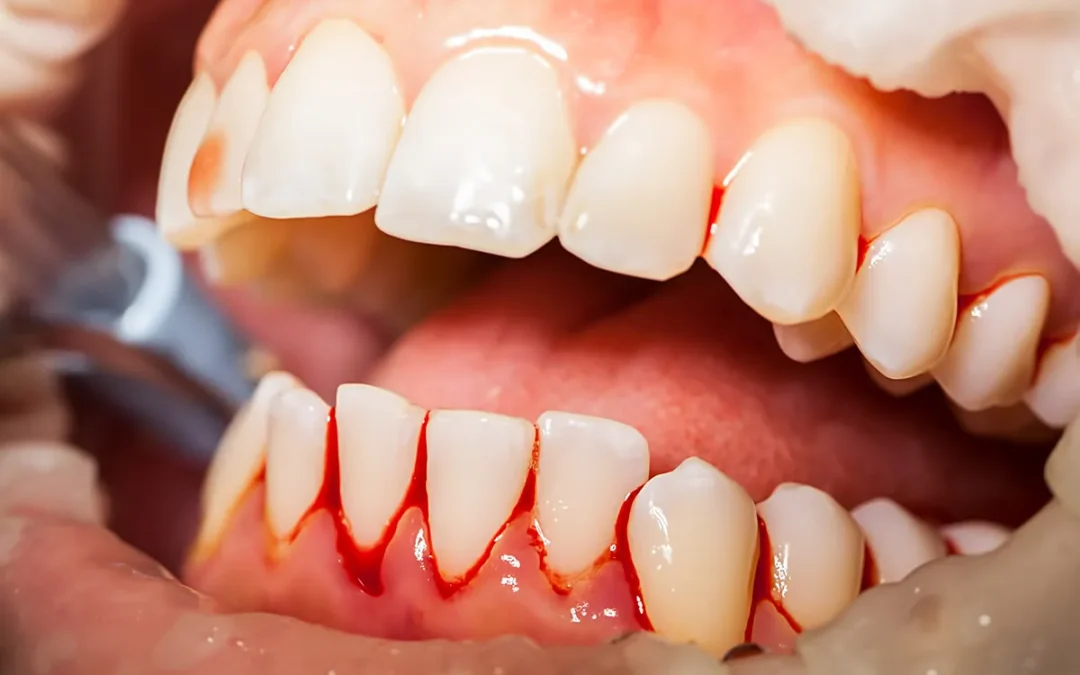
Few dental situations are as alarming as bleeding uncontrollably from the mouth. Whether caused by trauma, advanced gum disease, or complications after oral surgery, excessive bleeding requires immediate attention to prevent dangerous blood loss and other serious complications.

At Smiles of Elgin, we provide urgent care for severe oral bleeding. If you or a loved one experiences persistent bleeding that won’t stop, call us immediately at 847-695-3368 or visit smilesofelgin.com for emergency assistance.

Common Causes of Uncontrollable Oral Bleeding

1. Trauma or Injury

  • Knocked-out or fractured teeth – Accidents, sports injuries, or falls can damage blood vessels in the gums.
  • Lacerations to the tongue, cheeks, or lips – Deep cuts may bleed heavily and require stitches.

2. Advanced Periodontal (Gum) Disease

  • Chronic inflammation weakens gum tissues, making them prone to bleeding even with minor irritation.
  • Untreated infections can lead to abscesses that rupture and bleed.

3. Post-Surgical Complications

  • Tooth extractions – Some bleeding is normal, but persistent bleeding after 2+ hours indicates a problem.
  • Gum grafts or implant surgery – Poor clotting or infection can cause excessive bleeding.

4. Medical Conditions & Medications

  • Blood thinners (warfarin, aspirin, etc.) – Can make bleeding harder to control.
  • Hemophilia or platelet disorders – Increase bleeding risks significantly.

When Is Bleeding Uncontrollably an Emergency?

Seek Immediate Dental Care If:

  • Blood soaks through gauze every 10–15 minutes for over 2 hours
  • Bleeding is accompanied by dizziness, weakness, or rapid heartbeat (signs of blood loss)
  • The bleeding results from a severe facial injury (possible broken jaw or arterial damage)
  • You notice large blood clots or pus (indicates infection)

At-Home First Aid While Seeking Help

  • Apply firm pressure with clean gauze or a damp tea bag (tannic acid helps clotting).
  • Avoid rinsing or spitting – This can dislodge clots.
  • Use a cold compress – Reduces swelling and slows bleeding.
  • Sit upright – Helps decrease blood flow to the head.

How Emergency Dentists Stop Bleeding Uncontrollably

1. Sutures (Stitches) for Deep Cuts

Used for torn gum tissue or lacerations inside the mouth.

2. Cauterization (Sealing Blood Vessels)

A dental laser or electrocautery tool stops bleeding uncontrollably instantly.

3. Hemostatic Agents

Special gels or dressings (like Gelfoam) promote rapid clotting.

4. Addressing Underlying Causes

  • Extracting a damaged tooth if trauma is the source.
  • Treating gum disease with deep cleaning or antibiotics.
  • Adjusting medications (in consultation with your physician).

Preventing Future Bleeding Episodes

  • Wear a mouthguard during sports or if you grind your teeth.
  • Manage gum disease early – Don’t ignore bleeding gums when brushing.
  • Follow post-op instructions carefully after oral surgery.

Don’t Wait—Get Emergency Help Now

Uncontrolled oral bleeding can quickly become dangerous. If pressure and home care don’t stop the bleeding within 30 minutes, call Smiles of Elgin at 847-695-3368 or visit smilesofelgin.com for immediate treatment.
Recent Comments

    Archives

    Don’t Ignore the Swelling: How Emergency Dentists Treat Abscessed Teeth

    Don’t Ignore the Swelling: How Emergency Dentists Treat Abscessed Teeth

    Don’t Ignore the Swelling: How Emergency Dentists Treat Abscessed Teeth

    Don’t Ignore the Swelling: How Emergency Dentists Treat Abscessed Teeth

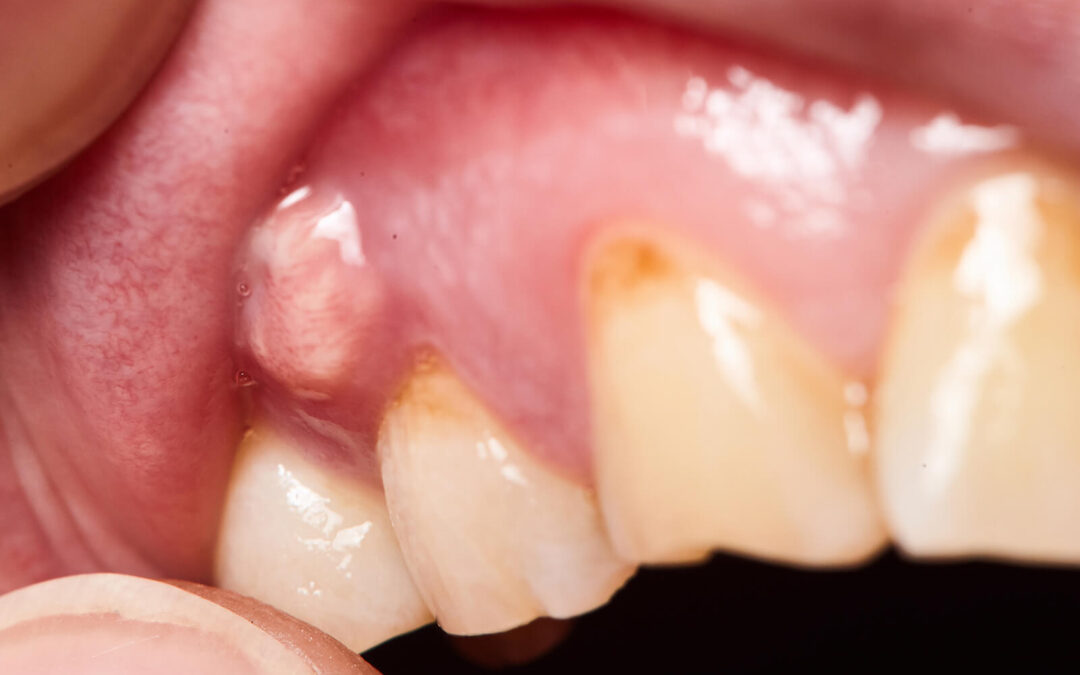
    A dental abscess is a serious infection that can lead to severe pain, swelling, and even life-threatening complications if left untreated. If you notice a painful, pus-filled bump on your gums or experience throbbing discomfort, you may have an abscess with teeth—a condition that requires immediate dental care.

    At Smiles of Elgin, our emergency dentists are trained to quickly diagnose and treat abscessed teeth to prevent the infection from spreading. Call us at 847-695-3368 for urgent dental care before the situation worsens.

    In this comprehensive guide, we’ll cover:

    • What causes an abscess with teeth
    • Warning signs of a dangerous infection
    • How emergency dentists treat abscesses
    • Why prompt drainage and antibiotics are crucial
    • How to prevent future dental abscesses

    What Is an Abscess with Teeth?

    A dental abscess is a pocket of pus caused by a bacterial infection. It typically forms near the root of an infected tooth or in the gums. There are two main types:

    1. Periapical Abscess – Occurs at the tip of the tooth’s root due to untreated decay or trauma.
    2. Periodontal Abscess – Develops in the gums, often from advanced gum disease.

    If left untreated, the infection can spread to your jaw, neck, or even your bloodstream, leading to a medical emergency.

    Signs Your Abscess Is Spreading (Seek Emergency Care Now!)

    An abscess with teeth won’t go away on its own—it requires professional treatment. If you experience any of these symptoms, see an emergency dentist immediately:

    • Severe, throbbing tooth pain
    • Swelling in the face, cheek, or jaw
    • Red, inflamed gums with pus drainage
    • Fever and chills (sign of systemic infection)
    • Difficulty swallowing or breathing
    • Swollen lymph nodes

    A spreading infection can lead to sepsis (a life-threatening blood infection) or Ludwig’s angina (a dangerous neck swelling that blocks airways). Don’t wait—seek emergency dental care right away.

    How Emergency Dentists Treat an Abscess with Teeth

    At Smiles of Elgin, our priority is to eliminate the infection and relieve your pain as quickly as possible. Treatment may include:

    1. Drainage of the Abscess

    The dentist makes a small incision to drain the pus, reducing pressure and pain.

    2. Root Canal Therapy

    If the tooth can be saved, a root canal removes the infected pulp and seals the tooth.

    3. Tooth Extraction

    If the tooth is too damaged, extraction may be necessary to stop the infection.

    4. Antibiotics

    Prescribed to kill remaining bacteria and prevent further spread.

    5. Pain Management

    Medications or medicated rinses help control discomfort during healing.

    Why Immediate Treatment Is Critical

    Delaying care for an abscess with teeth can lead to:

    • Bone loss in the jaw
    • Tooth loss
    • Spread of infection to the brain or heart
    • Hospitalization for severe cases

    The sooner you get treatment, the better your chances of saving the tooth and avoiding complications.

    How to Prevent Future Dental Abscesses

    • Brush and floss daily
    • Visit your dentist every 6 months
    • Treat cavities and gum disease early
    • Avoid excessive sugary foods
    • Wear a mouthguard if you grind your teeth

    Need Emergency Dental Care? Contact Smiles of Elgin Now!

    If you suspect an abscess with teeth, don’t wait for the infection to worsen. Call Smiles of Elgin at 847-695-3368 or visit smilesofelgin.com to schedule an emergency appointment. Our team is ready to provide fast, effective relief and protect your oral health.

    Ignoring an abscess can be dangerous—act now before it’s too late!

    Recent Comments

      Archives

      Knocked-Out Tooth? Here’s How to Save It Before It’s Too Late

      Knocked-Out Tooth? Here’s How to Save It Before It’s Too Late

      Knocked-Out Tooth? Here’s How to Save It Before It’s Too Late

      Knocked-Out Tooth? Here’s How to Save It Before It’s Too Late

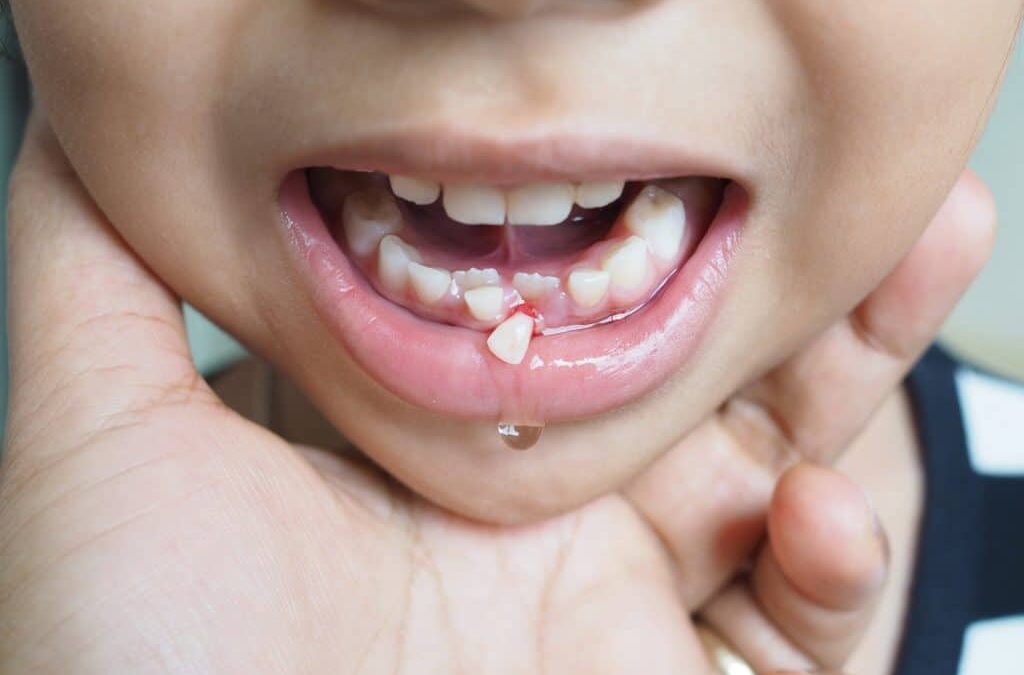
      A knocked-out tooth (also known as an avulsed tooth) is one of the most urgent dental emergencies. Whether from a sports injury, accident, or fall, quick action can mean the difference between saving or losing your tooth permanently.

      If you or someone you know has suffered this type of injury, time is critical—the first 30 minutes are the most important for successful reimplantation. This guide explains exactly what to do, how dentists can save your tooth, and why you should never ignore this emergency.

      What to Do Immediately After a Tooth Is Knocked Out

      1. Handle the Tooth Carefully

      • Pick it up by the crown (chewing surface), NOT the root. Touching the root can damage delicate tissues needed for reattachment.
      • If dirty, rinse gently with milk or saline solution. Avoid scrubbing or using soap, as this can harm the root.

      2. Try to Reinsert It (If Possible)

      • Gently push the tooth back into its socket, making sure it’s facing the right way.
      • Bite down softly on a clean cloth to hold it in place until you reach a dentist.

      3. Keep It Moist If Reinsertion Isn’t Possible

      • Store the tooth in milk, saline solution, or a tooth preservation kit (like Save-A-Tooth®).
      • Avoid tap water, as it can damage root cells.
      • If nothing else is available, place it inside your cheek (saliva helps preserve it).

      4. Control Bleeding & Reduce Pain

      • Apply gentle pressure with clean gauze to stop bleeding.
      • Use a cold compress to reduce swelling and numb pain.

      5. Get to an Emergency Dentist Immediately

      • The first 30 minutes are the “golden window” for the highest chance of successful reimplantation.
      • After 1 hour, success rates drop significantly.

      Can a Dentist Really Reattach a Knocked-Out Tooth?

      Yes! Emergency dentists use advanced techniques to stabilize and reimplant avulsed teeth. Here’s what they do:

      1. Clean & Prepare the Tooth

      The dentist will carefully rinse the tooth in a special solution to preserve root cells.

      2. Reinsert & Stabilize It

      The tooth is placed back into the socket and splinted (bonded to neighboring teeth) for 1-2 weeks while it heals.

      3. Monitor for Nerve & Bone Recovery

      • A root canal may be needed later if the tooth’s nerve doesn’t recover.
      • X-rays will check if the bone is reattaching properly.

      Success Rates

      • Replanted within 30 minutes? ~90% success rate.
      • After 1 hour? Drops to ~50%.
      • After 2+ hours? Much lower chance of survival.

      When Is a Knocked-Out Tooth Unsaveable?

      Sometimes, despite best efforts, a tooth can’t be saved. This happens if:

      • The tooth was dry for over an hour (root cells die).
      • The socket is severely damaged.
      • The tooth is broken at the root.

      In these cases, dentists may recommend:

      • A dental implant (most natural-looking replacement).
      • A bridge or partial denture (temporary solutions).

      Emergency Dental Care in Elgin

      If you’ve lost a tooth, every second counts. Smiles of Elgin provides same-day emergency care for knocked-out teeth. Call 847-695-3368 immediately—we’ll guide you through the first steps and prepare for your arrival.

      Why choose us?

      • Fast response for dental emergencies
      • Experienced in tooth reimplantation
      • Advanced technology for the best outcomes

      Visit smilesofelgin.com to learn more about our emergency services.

      Final Thoughts

      A knocked-out tooth doesn’t have to mean permanent tooth loss—if you act fast. Knowing what to do in those critical first minutes can save your smile.

      Don’t wait—call Smiles of Elgin NOW if you or a loved one has lost a tooth. Time is running out!

      Recent Comments

        Archives

        What to Do When a Toothache Becomes an Emergency

        What to Do When a Toothache Becomes an Emergency

        What to Do When a Toothache Becomes an Emergency

        What to Do When a Toothache Becomes an Emergency

        A sudden, severe toothache can be more than just a nuisance—it can signal a serious dental issue that requires immediate attention. Whether it’s a throbbing pain that won’t subside or sharp discomfort when biting down, ignoring persistent tooth pain can lead to complications like infections, abscesses, or even tooth loss.

        If you’re experiencing a toothache near me, it’s crucial to understand the potential causes and when to seek emergency dental care. In this guide, we’ll explore the common reasons behind severe tooth pain, warning signs that indicate an emergency, and what steps you should take to protect your oral health.

        Common Causes of Sudden Severe Tooth Pain

        1. Dental Abscess

        A dental abscess is a pocket of pus caused by a bacterial infection. It often results from untreated cavities, gum disease, or a cracked tooth. Symptoms include:

        • Intense, throbbing pain
        • Swelling in the face or gums
        • Fever and general discomfort

        If left untreated, the infection can spread to the jaw, neck, or even the bloodstream, becoming life-threatening.

        2. Advanced Tooth Decay

        When cavities penetrate deep into the tooth’s pulp (the innermost layer containing nerves), it can cause excruciating pain. Sensitivity to hot or cold foods and spontaneous sharp pain are common signs. Without treatment, decay can lead to abscess formation or necessitate a root canal.

        3. Cracked or Fractured Tooth

        A cracked tooth may not always be visible, but it can cause severe pain when chewing or exposing the tooth to temperature changes. Fractures can expose the nerves, making the tooth vulnerable to infection.

        4. Gum Disease (Periodontitis)

        Severe gum infections can cause tooth pain, especially if the gums recede or pockets of infection form around the tooth roots. Bleeding gums, bad breath, and loose teeth are additional warning signs.

        5. Impacted Wisdom Teeth

        Partially erupted wisdom teeth can create pressure, pain, and even infection in surrounding tissues. Swelling, difficulty opening the mouth, and pain radiating to the ear or jaw are common symptoms.

        When Is a Toothache an Emergency?

        Seek immediate dental care if you experience:

        • Unbearable pain that doesn’t respond to over-the-counter painkillers
        • Swelling in the face, jaw, or gums
        • Fever, chills, or signs of infection
        • Difficulty breathing or swallowing (indicating a spreading infection)

        Ignoring these symptoms can lead to serious health risks, including sepsis or the need for hospitalization.

        What to Do Before Seeing a Dentist

        1. Rinse with Warm Saltwater – Helps reduce bacteria and soothe irritation.
        2. Use a Cold Compress – Reduces swelling if there’s facial inflammation.
        3. Take Over-the-Counter Pain Relievers – Ibuprofen or acetaminophen can temporarily ease discomfort (avoid aspirin directly on the gums).
        4. Avoid Certain Foods – Steer clear of extremely hot, cold, or hard foods that may aggravate pain.

        Emergency Dental Care in Elgin

        If you’re suffering from a severe toothache near me, don’t wait—contact Smiles of Elgin at 847-695-3368 for prompt emergency dental care. Our team is equipped to handle urgent cases, from abscess drainage to root canal therapy, ensuring you get relief quickly.

        Final Thoughts

        A toothache should never be ignored, especially when the pain is severe or persistent. Early intervention can prevent complications and save your tooth. Visit smilesofelgin.com.com. to learn more about emergency dental services and how we can help you maintain a healthy, pain-free smile.

        If you’re in pain, don’t delay—schedule an emergency appointment today!

        Recent Comments

          Archives

          Emergency Dental Services Near Me: Swift Local Care

          Emergency Dental Services Near Me: Swift Local Care

          Emergency Dental Services Near Me: Swift Local Care

          Emergency Dental Services Near Me

          In times of dental emergencies, finding immediate care is crucial. If you’re in sudden pain or have a broken tooth, it’s crucial to know where to get quick help for significance of emergency dental services and how they provide rapid relief for various dental problems. We’ll delve into the availability of such services near you, ensuring you’re prepared for any unexpected dental mishaps.

          Understanding Emergency Dental Services Near Me

          Emergency dental services near me cater to urgent dental issues that require immediate attention. These services aim to handle sudden pain, trauma, or other dental emergencies outside regular office hours. Unlike routine dental appointments, emergency dental care focuses on promptly relieving pain, stabilizing conditions, and preventing further damage. If your tooth hurts, you can call an emergency dentist anytime, even on weekends, holidays, or late at night.

          Locating Emergency Dental Services Near You

          When faced with a dental emergency, knowing where to find prompt care is essential. Fortunately, many dental practices offer emergency services or have arrangements for urgent cases. To locate emergency dental services near you, consider the following:

          • Ask your regular dentist: They might offer emergency care or know where to find help nearby.
          • Search online: Use search engines or online directories to find emergency dental clinics in your area.
          • Ask people you know: Get advice from friends, family, or neighbors who have had emergency dental care.

          Learn about nearby emergency dental services near me so you can quickly respond to urgent dental needs.

          Common Dental Emergencies and Treatments

          Dental emergencies can vary in nature, ranging from severe pain to sudden injuries. Here are some common dental emergencies and the treatments they may require:

          Toothache

          A toothache can be incredibly uncomfortable, often indicating an underlying issue such as decay, infection, or injury. Emergency dental services can quickly ease toothache by diagnosing the problem and giving suitable treatment, such as:

          • Prescription medication to alleviate pain and reduce inflammation.
          • Dental procedures such as root canal therapy to address infection or decay.

          Seeking prompt care for a toothache can prevent the condition from worsening and preserve your oral health.

          Broken or Chipped Tooth

          A broken or chipped tooth can result from various factors, including accidents, trauma, or biting into hard objects. Emergency dental services can assess the extent of the damage and recommend appropriate treatment options, such as:

          • Dental bonding or filling to restore the tooth’s shape and function.
          • Dental crown placement to protect and strengthen the damaged tooth.
          • Tooth extraction if the damage is severe and the tooth cannot be salvaged.

          Fixing a broken tooth fast can prevent more problems and make your smile better.

          Knocked-Out Tooth

        • Handle the tooth by the crown (top) and avoid touching the root.
        • Rinse the tooth gently with milk or saline solution to remove dirt or debris.
        • Attempt to reinsert the tooth into its socket if possible, ensuring it’s facing the right way.
        • If reinsertion isn’t feasible, place the tooth in a container of milk or saliva to keep it moist.
        • Visit an emergency dentist immediately for reimplantation or other necessary treatment.
        • Acting quickly after a tooth avulsion can improve the chances of saving the tooth and preserving your smile.

          Advanced Dental Services for Emergencies

          In addition to addressing common dental emergencies, some dental practices offer advanced services to handle complex cases. These may include:

          • Dental Implants: Dental implants are a permanent solution for replacing missing teeth. Emergency dental clinics can check if you’re suitable for dental implants and start the treatment to fix your smile.
          • Dental Emergencies: Patients with braces may encounter emergencies such as broken brackets or wires. Emergency orthodontic care can address these issues promptly, ensuring the persistence of orthodontic treatment.
          • Oral Surgery: Sometimes, serious tooth problems need surgery, like quickly removing a tooth or fixing stuck wisdom teeth. Skilled emergency dental surgeons can do these surgeries carefully.

          Emergency dental providers can help many different patients with urgent dental needs by offering advanced services.

          Choosing the Right Emergency Dental Provider

          When selecting an emergency dental provider, consider the following factors to ensure you receive quality care:

            Availability: Choose a provider that offers convenient hours and easy availability, especially during evenings, weekends, and holidays.

          • When you have a dental emergency, find a dentist who knows what they’re doing and can help you.
          • Ensure the clinic’s emergency protocols and procedures align with your dental needs by inquiring about them explicitly.
          • Choose a dentist with up-to-date equipment to help in emergencies.
          • Check out what other patients have said to see if they were happy with the care they received at the dental office.

          Think about these things to pick an emergency dentist who will give you fast, effective, and caring help when you’re in need.

          Conclusion

          In conclusion, emergency dental services play a crucial role in providing swift local care for various dental emergencies. Whether you’re experiencing sudden pain, trauma, or other urgent dental issues, knowing where to find immediate assistance is essential.

          By locating emergency dental services near you and understanding the common dental emergencies they address, you can prepare to handle unexpected situations effectively. Remember to choose a reputable emergency dental provider that gives priority to availability, experience, and patient care.

          With timely intervention and quality treatment, you can alleviate pain, preserve your oral health, and restore your smile.

          Emergency call – 847-695-3368

          Recent Comments

            Archives

            24hr Dentist: Immediate Care Around the Clock

            24hr Dentist: Immediate Care Around the Clock

            24hr Dentist: Immediate Care Around the Clock

            24-Hour Dentist: Emergency Dental Care Whenever You Need It

            Toothaches, broken teeth, and dental emergencies don’t wait for business hours. When severe pain strikes in the middle of the night or over the weekend, finding a 24hr dentist can mean the difference between quick relief and prolonged suffering. At Smiles of Elgin, we provide around-the-clock emergency dental care so you never have to wait in pain.

            Why Choose a 24-Hour Dentist?

            Dental emergencies can happen at any time—whether it’s a cracked tooth from a late-night accident or an abscess that flares up unexpectedly. While most dental offices operate on a 9-to-5 schedule, a 24hr dentist ensures you get immediate treatment, preventing complications like infections or permanent damage.

            Common Dental Emergencies That Need Immediate Care

            • Severe toothaches (indicating infection or decay)
            • Knocked-out teeth (time-sensitive for reattachment)
            • Broken or cracked teeth (risk of nerve damage)
            • Lost fillings or crowns (exposing sensitive teeth)
            • Abscesses or swelling (can spread infection)

            If you’re experiencing any of these issues, don’t wait—call Smiles of Elgin at +1 (847) 695-3368 for emergency care, day or night.

            What to Do in a Dental Emergency Before Seeing a Dentist

            • Toothache: Rinse with warm salt water and use a cold compress.
            • Knocked-out tooth: Keep it moist in milk or saliva.
            • Broken tooth: Save any fragments and rinse your mouth.
            • Lost filling/crown: Use dental cement (available at pharmacies) as a temporary fix.

            Even with these measures, seeing a 24hr dentist as soon as possible is crucial to prevent further damage.

            Why Smiles of Elgin Is Your Best Choice for Emergency Dental Care

            • 24/7 Availability – No more waiting for office hours.
            • Same-Day Emergency Appointments – Fast relief when you need it most.
            • Experienced Dentists – Skilled in handling urgent cases.
            • Comprehensive Services – Extractions, root canals, and repairs.

            How to Find a Reliable 24-Hour Dentist Near You

            When searching for a 24hr dentist, consider:

            • Location – Is the clinic nearby for quick access?
            • Availability – Are they truly open 24/7?
            • Services – Do they handle all types of emergencies?
            • Reviews – What do other patients say about their experience?

            At Smiles of Elgin, we meet all these criteria, ensuring top-quality emergency dental care.

            Don’t Wait—Get Emergency Dental Care Now

            Dental pain shouldn’t be ignored. If you need immediate help, call Smiles of Elgin at +1 (847) 695-3368—we’re available 24/7 for emergencies. Whether it’s a broken tooth, severe pain, or an infection, our team provides fast, effective treatment so you can recover quickly.

            For more information, visit Smiles of Elgin and learn about our emergency dental services.

            Recent Comments

              Archives