
See Hours of Operation

Dental Bridge Work Cost: A Complete 2026 Price Guide

Dental Bridge Work Cost: A Complete 2026 Price Guide

Dental Bridge Work Cost: A Complete 2026 Price Guide

Understanding Your Investment: A Breakdown of Dental Bridge Work Cost

The decision to replace a missing tooth is a significant investment in your oral health, function, and confidence. A dental bridge is a time-tested and reliable solution, offering a fixed, natural-looking replacement that can restore your smile and bite. As you explore this option, one of the primary considerations is the dental bridge work cost. This figure isn’t arbitrary; it reflects the customization, materials, and professional expertise required for a successful, long-lasting restoration. This guide will provide a transparent look at the factors that influence the overall price, helping you understand the value behind your investment and make an informed decision about your oral health.

Key Factors That Determine Your Dental Bridge Work Cost

The total expense for a bridge is not a single flat rate. It is a composite of several variables that are unique to your specific clinical situation and choices. Understanding these components is the first step in demystifying the dental bridge work cost you receive from your dentist.

The Complexity of the Treatment Plan

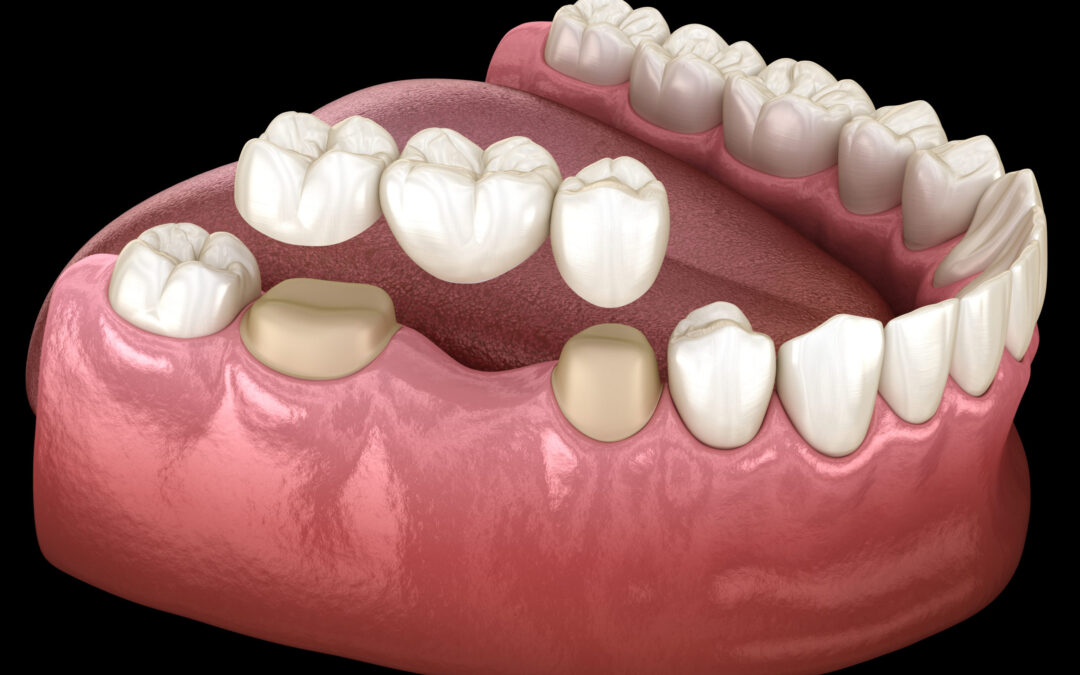
The most significant variable is the scope of work required. A basic three-unit bridge replacing one tooth is a different proposition than a longer span bridge or one that requires additional preparatory work. For instance, if the supporting teeth (abutments) have decay or old fillings, they may need build-up or core restorations first. If gum disease is present, it must be treated prior to any restorative work. The health of your abutment teeth and underlying bone directly impacts the complexity and, consequently, the overall treatment plan and its associated costs.

Material Selection: Balancing Aesthetics and Durability

The material you choose for the pontic (false tooth) and crowns significantly affects the price. There are several common options:

Porcelain-Fused-to-Metal (PFM): A strong, proven, and often mid-range cost option. It has a metal substructure for strength covered by tooth-colored porcelain.

All-Ceramic or All-Porcelain: These bridges offer the most natural translucency and color matching, making them an excellent choice for front teeth. High-quality ceramics like zirconia are also incredibly strong and suitable for back teeth, often at a higher price point than PFM.

Gold Alloys: While less common for visible areas today, gold is exceptionally durable and gentle on opposing teeth. Its cost is tied to the precious metal market.

Your dentist will help you weigh the benefits of each material for your specific bite and aesthetic goals.

The Type of Bridge and Laboratory Fees

Not all bridges are the same. A traditional fixed bridge, which requires preparing the adjacent teeth, is the most common type. However, if the adjacent teeth are perfectly healthy, a dentist might recommend a Maryland (resin-bonded) bridge or a cantilever bridge, each with different laboratory and placement protocols. Furthermore, the dental laboratory’s skill and the quality of materials they use are factored into the fee. A bridge is a custom-crafted medical device, and the laboratory’s artistry in shaping and coloring the restoration is a crucial part of the process.

What Is Typically Included in the Quoted Dental Bridge Work Cost?

A comprehensive quote should provide a clear breakdown. Typically, the total dental bridge work cost encompasses:

Initial Consultations & Diagnostics: This includes examinations, X-rays, and sometimes 3D scans or digital impressions needed for precise planning.

Preparatory Procedures: Any necessary treatments on the abutment teeth, such as fillings or root canals, are usually separate line items.

The Bridge Fabrication: This covers the costs of the impressions, the dental laboratory fees, and the materials for the bridge itself.

Placement Visits: The fees for preparing the teeth, placing temporary bridges, and the final cementation of the permanent bridge.

Follow-Up Care: A post-placement check to ensure proper fit and comfort is often included.

Evaluating the Long-Term Value of a Dental Bridge

When considering the dental bridge work cost, it’s vital to look beyond the initial price tag and consider the long-term value. A well-made and properly cared-for bridge can last 10-15 years or more. This investment prevents the numerous problems associated with tooth loss, including:

Shifting of Adjacent Teeth: Which can lead to bite issues and further tooth loss.

Bone Loss: In the area of the missing tooth, which can alter facial structure.

Difficulty Chewing: Which can impact nutrition and digestion.

Strain on Remaining Teeth: Leading to excessive wear or damage.

Compared to the ongoing costs of dealing with these complications, a bridge is a proactive investment in your long-term oral health and quality of life.

Making Your Treatment Affordable: Exploring Financial Options

At Smiles of Elgin, we believe financial concerns should not be a barrier to receiving essential dental care. We are committed to working with you to find a workable solution.

Dental Insurance: Most dental insurance plans offer coverage for bridgework, typically paying a percentage (often 50%) of the cost after your deductible is met. Our administrative team will gladly help you verify your benefits and understand your out-of-pocket responsibility.

Flexible Financing: We offer third-party financing options through trusted healthcare credit companies. These plans often feature low or no-interest payment plans, allowing you to spread the dental bridge work cost over time with manageable monthly payments.

In-House Payment Plans: For some patients, we can arrange a structured payment schedule directly with our office.

HSAs and FSAs: Payments using Health Savings Accounts or Flexible Spending Accounts are accepted, allowing you to use pre-tax dollars for your treatment.

Replacing a missing tooth with a dental bridge is an investment that pays dividends in your health, function, and self-esteem. While the upfront dental bridge work cost is an important consideration, the true value lies in restoring your complete smile and preventing future dental problems.

If you are considering a dental bridge and have questions about the process or the associated investment, we invite you to schedule a consultation. At Smiles of Elgin, we provide personalized, detailed treatment plans with transparent pricing. Our team will take the time to answer all your questions and explore all financial options with you. To begin your journey to a restored smile, contact us today at 847-695-3368 or visit our website at Smiles of Elgin. Let us help you make a confident, informed decision about your oral health.

Recent Comments

    Archives

    Office Hours

    Monday 10:00 to 6:00
    Tuesday 10:00 to 6:00
    Wednesday 11:00 to 8:00
    Thursday 10:00 to 6:00
    Friday 10:00 to 6:00
    Saturday 8:00 to 3:00
    Sunday Appointment only
    Tooth Broken Pain: Emergency Relief and Treatment Guide

    Tooth Broken Pain: Emergency Relief and Treatment Guide

    Tooth Broken Pain: Emergency Relief and Treatment Guide

    Coping with Tooth Broken Pain: A Guide to Immediate Relief and Repair

    The sudden, sharp sensation of a broken tooth is an experience that immediately commands your attention. Whether from an accident, biting on something hard, or due to underlying decay, the resulting tooth broken pain can range from a mild annoyance to severe, throbbing agony. This pain is your body’s urgent signal that the protective outer layers of your tooth have been compromised, exposing sensitive inner structures. Understanding how to manage this discomfort and the critical steps to take next is essential for preserving your tooth and restoring your comfort.

    Why a Broken Tooth Causes Immediate and Severe Pain

    To appreciate the intensity of tooth broken pain, it helps to understand the tooth’s anatomy. Beneath the hard, white enamel and the supportive dentin layer lies the pulp chamber. This inner sanctum houses the tooth’s nerve, blood vessels, and connective tissue. A break that exposes the dentin or the pulp itself creates a direct pathway for stimuli—like air, temperature changes, and pressure—to reach the nerve. This exposure is the primary source of that sharp, often shocking, pain. Furthermore, the fracture can cause inflammation and pressure within the tooth, leading to a persistent, dull ache that can radiate to your jaw or ear.

    The Direct Link Between Fracture Depth and Pain Level

    The severity and character of your pain are direct clues to the extent of the damage. A minor chip that only affects the enamel may cause little to no discomfort but might feel rough to the tongue. However, a deeper fracture that reaches the dentin typically causes noticeable sensitivity, especially to sweet, hot, or cold foods and drinks. The most severe tooth broken pain occurs when the fracture exposes the pulp. This often results in constant, throbbing, or spontaneous pain that may worsen when lying down, as blood flow to the head increases. Ignoring this level of pain can lead to infection and abscess formation.

    Immediate First Aid to Manage Tooth Broken Pain at Home

    While professional dental care is non-negotiable for a broken tooth, there are several immediate steps you can take to manage the pain and protect the area before your appointment. Acting quickly can prevent further damage and make you more comfortable.

    Steps to Reduce Sensitivity and Protect the Tooth

    First, gently rinse your mouth with warm salt water to clean the area and reduce the risk of infection. If there is bleeding, apply light pressure with a piece of sterile gauze. To cover any sharp or jagged edges that could cut your tongue or cheek, use dental wax (available at most pharmacies) or a small piece of sugarless chewing gum. This simple step can provide significant relief from incidental irritation. Adjust your diet immediately: avoid chewing on the affected side and stick to soft, lukewarm foods and beverages. Extreme temperatures and hard textures will likely trigger intense pain.

    Safe and Effective Pain Management Before Your Appointment

    Over-the-counter pain relievers can be very effective. Non-steroidal anti-inflammatory drugs (NSAIDs) like ibuprofen are often recommended because they address both pain and inflammation. Always follow the dosage instructions on the label. Applying a cold compress or an ice pack wrapped in a cloth to the outside of your cheek for 15-minute intervals can also help numb the area and reduce swelling. Avoid placing any painkillers, like aspirin, directly against the gum or tooth, as this can cause chemical burns to the soft tissue.

    The Critical Importance of Prompt Professional Treatment

    Home care is a temporary measure. A broken tooth cannot heal itself, and delaying treatment will almost certainly lead to more pain, more complex procedures, and a higher cost. The exposed nerve is vulnerable to bacteria from your mouth, which can cause a painful infection or abscess in the root and jawbone. Furthermore, what might start as a simple crack can propagate with chewing pressure, leading to a complete split that makes saving the tooth impossible.

    How Your Dentist Will Diagnose and Resolve the Pain

    Your dentist will perform a thorough examination, which will likely include X-rays to see the extent of the fracture below the gum line. The treatment plan is entirely dependent on how deep the break goes. For minor chips, dental bonding or a veneer can quickly restore appearance and function. For moderate breaks, a dental crown will be used to cap and protect the remaining tooth structure. If the pulp is exposed or infected (indicated by severe, lingering tooth broken pain, a root canal treatment will be necessary to remove the damaged nerve before placing a crown. In the most severe cases where the tooth is split vertically or far below the gumline, extraction may be the only option, followed by discussions about replacement with an implant or bridge.

    Preventing Future Incidents and Protecting Your Smile

    Once your immediate

    A broken tooth is a distressing event, but with the right knowledge and prompt action, you can navigate the situation effectively. The pain is a clear call to action—one that should lead you straight to expert care.

    If you are suffering from the intense discomfort of a broken tooth, don’t endure the pain. The team at Smiles of Elgin is here to provide urgent, compassionate, and effective care. We offer same-day emergency appointments to diagnose the cause of your pain and provide the treatment needed to relieve it. Contact us immediately at 847-695-3368 or visit Smiles of Elgin for more information. Let us help you move from pain to relief and restore your healthy smile.

    Recent Comments

      Archives

      Office Hours

      Monday 10:00 to 6:00
      Tuesday 10:00 to 6:00
      Wednesday 11:00 to 8:00
      Thursday 10:00 to 6:00
      Friday 10:00 to 6:00
      Saturday 8:00 to 3:00
      Sunday Appointment only
      Invisalign Braces Pricing: Affordable Clear Aligners for Your Smile

      Invisalign Braces Pricing: Affordable Clear Aligners for Your Smile

      Invisalign Braces Pricing: Affordable Clear Aligners for Your Smile

      Invisalign Braces Pricing: Affordable Clear Aligners for Your Smile

      Considering teeth straightening? Understanding invisalign braces pricing helps you plan for a clear, comfortable, and effective treatment. Invisalign offers nearly invisible aligners to correct misaligned teeth without traditional metal braces. At Smiles of Elgin, we provide personalized treatment plans and transparent pricing

      What is Invisalign?

      Invisalign uses clear, removable aligners to gradually move teeth into proper alignment. Unlike braces, they are discreet, comfortable, and easy to remove for eating or cleaning. Each aligner is custom-made to fit your teeth and is worn for about two weeks before switching to the next.

      Benefits of Invisalign

      • Nearly invisible and discreet
      • Comfortable, no metal wires or brackets
      • Removable for eating and oral hygiene
      • Fewer dental visits and predictable results

      These advantages make Invisalign an attractive choice for both teens and adults.

      Invisalign Braces Pricing Factors

      Several elements affect invisalign braces pricing:

      Complexity of Treatment

      Mild misalignments require fewer aligners and lower costs, while complex cases need more aligners and longer treatment.

      Duration and Dental Work

      Longer treatments and additional procedures like attachments or reshaping can increase the total price.

      Provider Experience

      Dentists with more experience may charge higher fees, but this ensures better treatment outcomes and precision.

      Typical Price Range

      On average, Invisalign treatment costs $3,500–$8,000, depending on individual needs. At Smiles of Elgin, we provide personalized estimates and flexible payment options to make your treatment affordable.

      Financing and Payment Options

      Insurance

      Many dental insurance plans partially cover Invisalign, similar to traditional braces. Our team helps maximize your benefits.

      Payment Plans and Financing

      Flexible monthly plans and third-party financing make Invisalign accessible. You can start treatment immediately and pay over time.

      Choosing the Right Dentist

      Selecting an experienced provider ensures your aligners fit correctly and treatment progresses efficiently.

      Expertise and Personalized Care

      At Smiles of Elgin, our dentists create customized Invisalign plans and guide you through every step. For more details or to schedule a consultation, call 847-695-3368

      Tips for Best Results

      • Wear aligners 20–22 hours daily
      • Maintain oral hygiene and clean aligners regularly
      • Attend all scheduled checkups

      Conclusion

      Understanding invisalign braces pricing helps you plan for a convenient, discreet, and effective teeth-straightening solution. With the expertise of Smiles of Elgin, patients receive affordable, personalized care for a confident smile. Call 847-695-3368 or visit Smiles of Elgin to start your Invisalign journey today.

      Recent Comments

        Archives

        Office Hours

        Monday 10:00 to 6:00
        Tuesday 10:00 to 6:00
        Wednesday 11:00 to 8:00
        Thursday 10:00 to 6:00
        Friday 10:00 to 6:00
        Saturday 8:00 to 3:00
        Sunday Appointment only
        Crown for Teeth – Restore Your Smile with Expert Dentistry

        Crown for Teeth – Restore Your Smile with Expert Dentistry

        Crown for Teeth – Restore Your Smile with Expert Dentistry

        Crown for Teeth: Restoring Your Smile and Strengthening Your Teeth

        If you have a damaged or weakened tooth, a crown for teeth can restore its strength, shape, and function. Crowns protect teeth that are cracked, decayed, or weakened after root canal treatment. At Smiles of Elgin, we provide customized dental crowns to help patients maintain healthy, beautiful smiles.

        What is a Crown for Teeth?

        A crown for teeth is a dental restoration that completely covers or “caps” a damaged tooth. Crowns restore the tooth’s appearance, size, and strength. They are often made from porcelain, ceramic, or metal, and are designed to match the natural color of your teeth. Crowns are essential for protecting teeth from further damage while improving their function and aesthetics.

        When is a Crown Needed?

        Crowns are commonly recommended in several situations:
        • To protect a weak tooth from breaking
        • To restore a broken or worn-down tooth
        • After a root canal procedure
        • To support a large filling when not much natural tooth remains
        • To cover misshaped or severely discolored teeth
        By addressing these issues, a crown for teeth helps maintain oral health and prevents further complications.

        Benefits of Getting a Crown

        Crowns provide multiple benefits for both function and appearance. They restore chewing ability, improve the appearance of teeth, and protect the tooth from further damage. In addition, crowns can help preserve dental alignment and prevent shifting of surrounding teeth. For patients seeking long-lasting solutions, crowns are an effective option.

        Types of Crowns for Teeth

        There are several types of crowns available, each suited for specific dental needs. Your dentist will recommend the best option based on the location of the tooth, aesthetic requirements, and overall oral health.

        Porcelain Crowns

        Porcelain crowns are highly aesthetic and blend naturally with surrounding teeth. They are commonly used for front teeth because of their realistic appearance. In addition, porcelain crowns resist staining and provide a natural-looking finish.

        Metal and Porcelain-Fused-to-Metal Crowns

        Metal crowns are extremely durable and are often used for molars that endure heavy chewing. Porcelain-fused-to-metal (PFM) crowns combine the strength of metal with the aesthetic appeal of porcelain. These crowns are ideal for patients needing both durability and a natural look.

        Ceramic Crowns

        All-ceramic crowns provide excellent aesthetics and are biocompatible, making them suitable for patients with metal allergies. They are strong enough for most teeth and offer a natural-looking restoration, particularly for front teeth.

        The Crown Procedure

        The process of getting a crown for teeth usually requires two dental visits. Each step is designed to ensure a perfect fit, comfort, and natural appearance.

        Tooth Preparation

        During the first visit, your dentist will prepare the tooth by removing a small portion of the enamel. This ensures the crown fits properly and aligns with your bite. An impression of your tooth is taken and sent to a dental lab to create a custom crown. In the meantime, a temporary crown protects your tooth.

        Crown Placement

        During the second visit, the temporary crown is removed, and the permanent crown is carefully placed. Your dentist will adjust it for a perfect fit and then bond it securely. After placement, the crown functions like a natural tooth, restoring both strength and appearance.

        Caring for Your Crown

        Proper care ensures that your crown lasts for many years. Maintaining good oral hygiene and regular dental visits are essential.

        Daily Oral Hygiene

        Brush twice daily and floss around the crown to prevent plaque buildup. Avoid chewing excessively hard foods directly on the crown, which could damage it. With proper care, most crowns last 10–15 years or longer.

        Regular Dental Checkups

        Routine dental visits are important to monitor the crown and surrounding teeth. Your dentist can detect any potential problems early and ensure your crown continues to function effectively. Regular checkups are an integral part of maintaining the benefits of a crown for teeth.

        Choosing the Right Dentist

        Selecting a skilled dentist is crucial for successful crown placement. Look for a dental office that provides customized care, advanced technology, and a friendly environment.

        Expertise and Experience

        At Smiles of Elgin, our team has extensive experience in placing high-quality crowns. We take the time to understand your dental needs and create restorations that look natural and last long.

        Personalized Care

        Personalized care ensures that each patient receives a treatment plan suited to their needs. From consultation to crown placement, Smiles of Elgin offers guidance and support to make the process smooth and comfortable. For more information or to schedule your appointment, call 847-695-3368 or visit Smiles of Elgin.

        Recent Comments

          Archives

          Office Hours

          Monday 10:00 to 6:00
          Tuesday 10:00 to 6:00
          Wednesday 11:00 to 8:00
          Thursday 10:00 to 6:00
          Friday 10:00 to 6:00
          Saturday 8:00 to 3:00
          Sunday Appointment only
          Comprehensive Family Dental Care – Gentle & Professional

          Comprehensive Family Dental Care – Gentle & Professional

          Comprehensive Family Dental Care – Gentle & Professional

          Family Dental Care: Ensuring Healthy Smiles for Everyone

          Every member of your family deserves a healthy and confident smile, and that begins with proper family dental care. Regular dental checkups, preventive treatments, and personalized oral hygiene guidance are essential for maintaining strong teeth and healthy gums at every age. At Smiles of Elgin, we focus on comprehensive care for the entire family.

          What is Family Dental Care?

          Family dental care involves dental services that cater to patients of all ages, from children to grandparents. It emphasizes preventive measures, early detection of oral issues, and personalized treatment plans for each family member. By focusing on the oral health of the entire household, families can avoid common dental problems and promote long-term wellness.

          The Importance of Regular Checkups

          Regular dental checkups are a vital component of family dental care. These appointments allow dentists to monitor the growth and development of children’s teeth, evaluate gum health, and address any dental concerns early. Moreover, consistent visits help prevent cavities, enamel erosion, and other oral health issues that can affect family members of any age.

          Professional Cleanings for All Ages

          Professional teeth cleanings are an essential part of family dental care. Even with diligent at-home brushing and flossing, plaque and tartar can build up over time. Cleaning removes these deposits, preventing cavities and gum disease. In addition, it helps maintain fresh breath and a polished smile for everyone in the family.

          Daily Oral Hygiene for Families

          Maintaining oral health at home is just as important as professional dental care. Implementing daily routines for every family member strengthens overall oral health and prevents common dental problems.

          Preventive Measures in Family Dental Care

          Prevention is key to maintaining a lifetime of healthy smiles. Family dental care focuses on identifying potential issues early and applying protective measures to reduce future dental risks.

          Dental Sealants for Children

          Dental sealants are a preventive treatment often used in family dental care for children. They are protective coatings applied to the chewing surfaces of molars to prevent cavities. Sealants help reduce the risk of tooth decay, especially in young children, and support long-term oral health.

          Fluoride Treatments

          Fluoride strengthens tooth enamel and makes teeth more resistant to decay. Professional fluoride treatments during dental visits provide additional protection beyond at-home brushing and drinking water. This preventive approach is a critical component of comprehensive family dental care.

          Choosing the Right Dentist for Your Family

          Selecting a dental office that provides full-service care for all family members is essential. A trusted dentist ensures every patient receives age-appropriate, personalized care, and guidance.

          Benefits of Personalized Family Care

          Personalized care considers the unique dental needs of each family member. At Smiles of Elgin, dentists evaluate oral health history, habits, and lifestyle factors to create tailored treatment plans. Consequently, families receive comprehensive care in a friendly and supportive environment.

          Scheduling and Accessibility

          Convenience matters when managing the dental care of an entire family. Smiles of Elgin offers flexible scheduling to accommodate busy households. For more information or to schedule an appointment, call 847-695-3368 or visit Smiles of Elgin.

          Recent Comments

            Archives

            Office Hours

            Monday 10:00 to 6:00
            Tuesday 10:00 to 6:00
            Wednesday 11:00 to 8:00
            Thursday 10:00 to 6:00
            Friday 10:00 to 6:00
            Saturday 8:00 to 3:00
            Sunday Appointment only
            General Dental Care for Healthy Smiles | Trusted Local Dentists

            General Dental Care for Healthy Smiles | Trusted Local Dentists

            General Dental Care for Healthy Smiles | Trusted Local Dentists

            General Dental Care: Keeping Your Smile Healthy

            Keeping your smile bright starts with proper general dental care. Visiting the dentist regularly and maintaining good oral hygiene prevent cavities and gum disease. At Smiles of Elgin, we provide personalized care for every patient.

            What is General Dental Care?

            General dental care means taking care of your teeth, gums, and mouth. It includes routine checkups, professional cleanings, and guidance on oral hygiene. These measures help prevent dental problems such as cavities and gum disease. Overall, they keep your mouth healthy and your smile bright.

            Importance of Regular Dental Checkups

            Regular dental visits are crucial for oral health. They allow dentists to detect problems early, such as tooth decay or gum inflammation. As a result, you can avoid more serious conditions. Moreover, professional cleanings remove plaque and tartar that brushing alone cannot reach. Therefore, checkups are a key part of general dental care.

            Professional Teeth Cleaning

            Professional teeth cleaning is another essential aspect of general dental care. Even with daily brushing, plaque may build up in hard-to-reach areas. Consequently, cleaning removes this buildup, reducing the risk of cavities and gum disease. In addition, it keeps your breath fresh and your smile bright.

            Daily Oral Hygiene Practices

            Daily habits play a major role in general dental care. Simple actions can greatly improve long-term oral health. For example, brushing and flossing correctly prevent plaque buildup and gum problems. Also, making healthy dietary choices supports stronger teeth and gums.

            Brushing and Flossing

            Brushing at least twice a day and flossing daily are the foundations of general dental care. Use fluoride toothpaste and a soft-bristled brush. Brush for at least two minutes each time. Flossing removes debris between teeth where the toothbrush cannot reach. In addition, these steps reduce the risk of cavities and gum disease.

            Healthy Diet and Hydration

            What you eat has a direct effect on your oral health. Foods high in sugar or acids can weaken enamel and lead to cavities. Therefore, include fruits, vegetables, lean proteins, and dairy in your diet. Drinking plenty of water also helps wash away food particles and keeps your mouth hydrated, supporting overall oral health.

            Preventive Measures in General Dental Care

            Preventive care is a vital part of general dental care. It helps avoid costly treatments later. For instance, regular cleanings and checkups detect issues before they worsen. In addition, dentists may recommend sealants or fluoride treatments to protect your teeth.

            Dental Sealants

            Dental sealants are protective coatings applied to the chewing surfaces of molars. They prevent bacteria and food particles from getting trapped in grooves. As a result, they reduce the risk of cavities. While often used for children, adults can benefit as well.

            Fluoride Treatments

            Fluoride strengthens tooth enamel, making it more resistant to decay. Professional fluoride treatments complement fluoride in toothpaste and drinking water. Therefore, these treatments offer extra protection against cavities. In addition, fluoride helps maintain long-term oral health.

            Addressing Common Dental Issues

            Even with proper general dental care, dental problems may occur. Prompt treatment prevents minor issues from becoming serious. For example, cavities or gum disease can worsen without timely care. Moreover, early detection ensures easier and less expensive treatment.

            Cavities and Tooth Decay

            Cavities occur when bacteria erode tooth enamel. Early detection allows dentists to treat decay with fillings. Otherwise, it can lead to pain, infection, or more complex procedures like root canals. Therefore, routine checkups are essential for preventing cavities.

            Gum Disease

            Gum disease begins with inflammation and bleeding of the gums. If left untreated, it may progress to periodontitis, which can result in tooth loss. However, regular dental visits, proper brushing, and flossing can prevent and control gum disease effectively.

            Oral Cancer Screening

            During routine checkups, dentists also screen for oral cancer. Early detection improves treatment outcomes significantly. Therefore, regular dental visits are a critical part of general dental care and overall health maintenance.

            Choosing the Right Dentist for General Dental Care

            Finding a reliable dentist is essential for long-term oral health. Choose a dental office that provides comprehensive services, personalized care, and a welcoming environment. For example, Smiles of Elgin offers expert >general dental care for patients of all ages.

            Benefits of Personalized Care

            Personalized care ensures that treatment matches your individual needs. Dentists at Smiles of Elgin take time to understand your oral health history, lifestyle, and concerns. Consequently, patients receive guidance and care that works best for them.

            Scheduling and Accessibility

            Convenient scheduling is important for maintaining consistent general dental care. Smiles of Elgin offers flexible appointments to accommodate busy lifestyles. For more information or to schedule a visit, call 847-695-3368 or visit Smiles of Elgin .

            Recent Comments

              Archives

              Office Hours

              Monday 10:00 to 6:00
              Tuesday 10:00 to 6:00
              Wednesday 11:00 to 8:00
              Thursday 10:00 to 6:00
              Friday 10:00 to 6:00
              Saturday 8:00 to 3:00
              Sunday Appointment only