See Hours of Operation

Tooth Pain Medicine: Best OTC Options & When to See a Dentist

Tooth Pain Medicine: Best OTC Options & When to See a Dentist

Tooth Pain Medicine: Best OTC Options & When to See a Dentist

Your Guide to Effective Tooth Pain Medicine and Relief

A sudden toothache can be a debilitating experience, turning a normal day into a painful ordeal. In these moments, finding the right tooth pain medicine is a top priority for most people. While these medications are excellent for temporary relief, it’s crucial to understand that they are a bridge to professional dental care, not a permanent cure. This guide will walk you through the different types of over-the-counter and prescription options, how they work, and when it’s time to call the professionals at Smiles of Elgin for a long-term solution.

Understanding the Source of Your Pain

Before reaching for any medication, it’s helpful to consider what might be causing your discomfort. Tooth pain can stem from various issues, including cavities, abscesses, cracked teeth, gum disease, or an exposed tooth root. The type of pain—whether it’s a sharp, stabbing sensation, a constant throbbing, or sensitivity to hot and cold—can provide clues about the underlying problem. Temporary relief is possible, but a dentist must diagnose and treat the root cause to prevent the issue from worsening.

Over-the-Counter Tooth Pain Medicine Options

For most common toothaches, over-the-counter (OTC) medications are the first line of defense. They are easily accessible and can effectively manage mild to moderate pain. The key is knowing which type to choose based on your specific situation and health profile.

Anti-Inflammatory Pain Relievers

This category is often the most effective for dental pain. Medications like Ibuprofen (Advil, Motrin) and Naproxen Sodium (Aleve) work by reducing inflammation in the affected area. Since much dental pain is caused by swelling that puts pressure on nerves, these drugs target the problem directly. For best results, it’s often recommended to take the first dose before your local anesthetic wears off after a procedure. Always follow the dosage instructions on the bottle and consult with a doctor if you have conditions like kidney disease, stomach ulcers, or are on blood thinners.

Acetaminophen for Pain Management

If you cannot take anti-inflammatory drugs, Acetaminophen (Tylenol) is a reliable alternative. It works primarily as an analgesic, meaning it blocks pain signals in the brain rather than reducing swelling. While it may not be as targeted for inflammation-based tooth pain, it is excellent for managing the overall sensation of pain. It is generally safer for the stomach but must be used with caution to avoid liver damage. Never exceed the maximum daily dose.

Topical Gels for Targeted Relief

For surface-level pain, such as that caused by a canker sore or minor gum irritation, topical numbing gels can provide temporary relief. These products often contain Benzocaine, which temporarily numbs the area. It’s important to use these as directed and avoid using them for severe, deep pain, as they only treat the surface tissues and not the underlying tooth problem.

When Prescription Tooth Pain Medicine is Necessary

For more severe pain, such as that following a surgical procedure like a tooth extraction or a root canal, or pain from a significant infection, your dentist may prescribe something stronger. These medications are used for a short period to manage acute, severe pain and should be used with extreme care.

Understanding Prescription Painkillers

In cases of intense pain, dentists may prescribe opioid medications like hydrocodone or oxycodone for a limited time. These are powerful drugs that alter the brain’s perception of pain. It is absolutely critical to follow the prescription instructions precisely. Due to the risk of dependence and side effects like drowsiness and nausea, they are typically prescribed for only a few days. Never share these medications, and dispose of any unused pills properly.

The Role of Prescription Antibiotics

It is vital to remember that antibiotics are not a form of tooth pain medicine. They do not relieve pain directly. Instead, they treat bacterial infections. If your tooth pain is caused by an abscess or a dental infection, your dentist will prescribe antibiotics to eliminate the bacteria. The pain will subside as the infection clears, but you may still need OTC pain relievers during this process. Always complete the entire course of antibiotics as prescribed, even if you start to feel better.

Safe and Effective Use of Pain Medication

Using any medication, whether OTC or prescription, requires responsibility. Always read the label and follow the recommended dosages. Be aware of potential interactions with other medications you are taking. For instance, some pain relievers can interact with blood pressure medications or antidepressants. When in doubt, consult with your pharmacist or doctor. It’s also wise to avoid alcohol when taking pain medication, as it can increase the risk of side effects, especially with acetaminophen and opioids.

Home Remedies to Complement Medicine

In addition to medication, simple home care can enhance your comfort. Rinsing your mouth with warm salt water can help reduce inflammation and cleanse the area. Applying a cold compress to the outside of your cheek for 15-minute intervals can numb the pain and reduce swelling. Clove oil, which contains a natural anesthetic called eugenol, can also provide temporary relief when applied carefully to the affected gum area.

The Most Important Step: Seeking Professional Care

While tooth pain medicine is invaluable for managing discomfort, it is a temporary solution. Pain is your body’s signal that something is wrong. Masking the pain without addressing the cause can lead to more serious and costly dental problems down the line, including the spread of infection or the loss of a tooth.

If you are experiencing a persistent toothache that lasts more than a day or two, or if it is severe and accompanied by fever, swelling, or pus, it is a dental emergency. You need a professional diagnosis and treatment.

For lasting relief and expert care, contact Smiles of Elgin. Our team is ready to diagnose the cause of your pain and provide the treatment you need to restore your oral health and comfort. You can reach us at 847-695-3368 or visit our website at smilesofelgin.com to schedule an appointment. Don’t just treat the symptom—let us solve the problem.

Recent Comments

    Archives

    Office Hours

    Monday 10:00 to 6:00
    Tuesday 10:00 to 6:00
    Wednesday 11:00 to 8:00
    Thursday 10:00 to 6:00
    Friday 10:00 to 6:00
    Saturday 8:00 to 3:00
    Sunday Appointment only
    Tooth Pain After Filling: Common Causes and Treatments

    Tooth Pain After Filling: Common Causes and Treatments

    Tooth Pain After Filling: Common Causes and Treatments

    Understanding and Managing Tooth Pain After a Filling

    You’ve just left the dentist’s office after getting a cavity filled, expecting relief. But then, a twinge of discomfort sets in. If you’re experiencing tooth pain after filling, you’re not alone. This is a relatively common occurrence, and in most cases, it’s a normal part of the healing process. While your Smiles of Elgin team ensures every procedure is as comfortable as possible, it’s helpful to understand why this sensitivity happens and when it might signal something that needs further attention. This article will guide you through the common causes of post-filling sensitivity and what you can do about it.

    Why You Might Experience Tooth Pain After a Filling

    A dental filling is a procedure that involves removing decay and restoring the tooth’s structure. This process can temporarily irritate the sensitive inner parts of your tooth, known as the pulp, which contains nerves. Think of it like a minor bruise; the area needs a little time to settle down. Several factors can contribute to this temporary sensitivity.

    Common Causes for Tooth Pain After Filling

    1. The Tooth’s Natural Response: The process of drilling, even when minimally invasive, can cause inflammation in the tooth’s pulp. This is often the primary reason for that generalized sensitivity to hot, cold, or pressure. This type of discomfort typically subsides on its own within a few days to a couple of weeks.

    2. An Improper Bite (High Filling): Sometimes, a filling can be shaped just a little too high, meaning it makes contact first when you bite down. This places excessive pressure on that single tooth, leading to a sharp, noticeable pain with every bite. This is a simple fix that requires a quick visit to your dentist to adjust the filling’s height.

    3. Referred Pain: The pain you feel might not always be in the exact tooth that was filled. It’s possible to feel sensitivity in surrounding teeth, which is known as referred pain. This usually resolves as the primary tooth heals.

    Different Types of Discomfort and What They Mean

    Not all tooth pain after filling feels the same. Paying attention to the specific sensation can help you and your dentist understand the cause.

    Sensitivity to Sweet, Hot, or Cold: This is the most common type. It’s usually a quick, sharp zing that fades quickly. It often indicates that the pulp is slightly inflamed but healthy, and it should gradually improve.

    Pain When You Bite Down: If you feel a sharp pain only when your teeth come together, it could point to a high filling that needs adjustment.

    Aching or Throbbing Pain: A constant, dull ache or a throbbing sensation that doesn’t seem to go away could be a sign of a more serious issue, such as pulpitis that may require further treatment.

    When to Contact Your Dentist About Your Symptoms

    While some sensitivity is normal, certain signs indicate you should give your dental office a call. It’s always better to be safe and have a professional assess the situation. You should contact your dentist if your tooth pain after filling:

    Gets worse instead of better after two to three weeks.

    Is severe and not relieved by over-the-counter pain relievers.

    Is a sharp, shooting pain that occurs spontaneously, without any trigger like eating or drinking.

    Is accompanied by signs of infection, such as swelling in your gums, face, or jaw, or if you develop a fever.

    You notice a visible crack in the tooth or the filling itself.

    Soothing Strategies for Tooth Pain After Filling

    In the meantime, while your mouth is healing, there are several things you can do at home to manage the sensitivity and make yourself more comfortable.

    1. Choose Your Foods Wisely: Stick to soft foods and avoid very hot or cold beverages for the first few days. Try to chew on the opposite side of your mouth from the new filling.

    2. Practice Gentle Oral Hygiene: Continue to brush and floss, but be extra gentle around the sensitive tooth. Using a soft-bristled toothbrush and a toothpaste designed for sensitive teeth can provide significant relief.

    3. Rinse with Warm Salt Water: Dissolving a teaspoon of salt in a glass of warm water and swishing it gently around your mouth can reduce inflammation and soothe irritated gums. Do this a few times a day, especially after eating.

    4. Over-the-Counter Pain Relief: Non-prescription anti-inflammatory medications like ibuprofen can help manage pain and reduce inflammation. Always follow the dosage instructions on the label.

    Long-Term Outlook and Prevention

    For the vast majority of patients, post-filling sensitivity is a temporary hurdle. Your tooth is simply readjusting to its new, healthy state. The best way to avoid future fillings and the associated sensitivity is through a robust preventive care routine. This includes brushing twice daily with fluoride toothpaste, flossing every day, limiting sugary snacks and drinks, and attending your regular dental check-ups and cleanings.

    We hope this guide has helped demystify why you might feel some tooth pain after filling. Remember, our goal is your long-term oral health and a comfortable, confident smile. If you have any concerns at all during your healing process, we are just a phone call away.

    If you are experiencing any of these symptoms, please don’t hesitate to reach out to us. Our team at Smiles of Elgin is here to help. You can schedule an appointment by visiting our website at – smilesofelgin.com or
    by calling us at- 847-695-3368.

    Recent Comments

      Archives

      Office Hours

      Monday 10:00 to 6:00
      Tuesday 10:00 to 6:00
      Wednesday 11:00 to 8:00
      Thursday 10:00 to 6:00
      Friday 10:00 to 6:00
      Saturday 8:00 to 3:00
      Sunday Appointment only
      Understanding What a Dentist Charges for Teeth Whitening: A Complete Guide

      Understanding What a Dentist Charges for Teeth Whitening: A Complete Guide

      Understanding What a Dentist Charges for Teeth Whitening: A Complete Guide

      Understanding What a Dentist Charges for Teeth Whitening: A Complete Guide

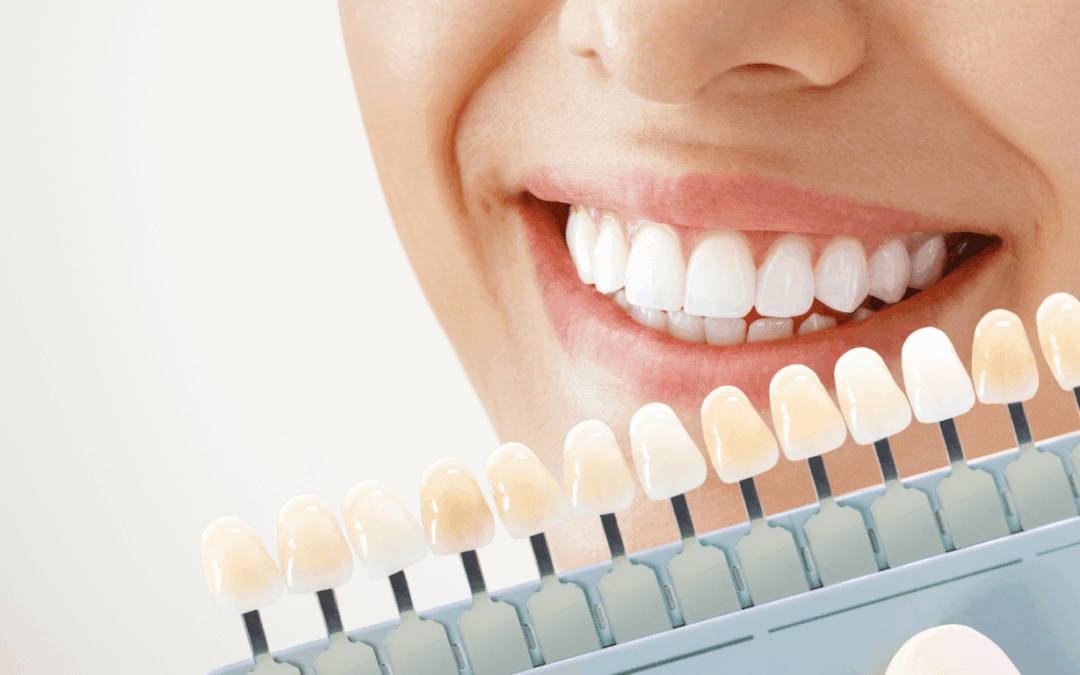
      A bright, confident smile can transform your appearance and boost your self-esteem. Professional teeth whitening has become one of the most popular cosmetic dental procedures, with millions of Americans seeking whiter smiles each year. If you’re considering enhancing your smile, you’re probably wondering about the dentist charge for teeth whitening and what factors influence these costs. Understanding the investment required for professional whitening can help you make an informed decision and avoid potential pitfalls of cheaper, over-the-counter alternatives that may deliver disappointing results or even damage your teeth.

      What Factors Influence the Dentist Charge for Teeth Whitening?

      The cost of professional teeth whitening isn’t a one-size-fits-all proposition. Several key elements contribute to the final price you’ll pay for your brighter smile.

      Type of Whitening Procedure

      Dentists typically offer two main types of professional whitening: in-office treatments and take-home kits. In-office whitening provides immediate, dramatic results in about 60-90 minutes, using high-concentration bleaching agents under professional supervision. This option commands a higher price due to the immediate results and professional oversight. Take-home kits provided by dentists feature custom-fitted trays and professional-grade bleaching gel that offer better results than over-the-counter options at a lower cost than in-office treatments.

      Geographic Location and Practice Overhead

      Where your dental practice is located significantly affects what a dentist charges for teeth whitening. Practices in metropolitan areas with higher costs of living typically charge more than those in rural areas. Additionally, practices with state-of-the-art technology and luxurious amenities may have higher pricing structures to cover their overhead expenses while providing a premium experience.

      Complexity of Your Case

      The current shade of your teeth and the type of staining present can impact the cost. Yellow stains typically respond better to whitening than gray or brown stains, which might require more intensive treatment. Teeth with tetracycline staining or discoloration from trauma may need extended treatment periods or alternative cosmetic approaches, potentially increasing the overall investment.

      Dentist’s Expertise and Reputation

      Experienced cosmetic dentists with specialized training and a portfolio of successful cases often charge premium prices for their expertise. While you might pay more initially, their skill can mean better results, reduced risk of complications, and a more customized approach to your whitening treatment.

      Comparing Professional Whitening Costs to Alternative Options

      When evaluating the dentist charge for teeth whitening, it’s helpful to understand how professional costs compare to other available options.

      Over-the-Counter Products

      Drugstore whitening strips, toothpaste, and kits typically range from $20 to $100. While initially cheaper, these products contain much lower concentrations of bleaching agents, require consistent use over weeks or months, and often provide subtle results that fade quickly. When you factor in the need for repeated purchases, the long-term cost may approach that of professional treatments without delivering comparable results.

      Whitening Services at Non-Dental Facilities

      Mall kiosks, spas, and other non-dental settings sometimes offer whitening services at prices lower than dental offices. However, these providers lack dental training, cannot assess your oral health beforehand, and often use generic trays that may irritate gums or lead to uneven whitening. The risks of gum damage, tooth sensitivity, and unsatisfactory results make these options potentially more costly in the long run.

      Subscription Whitening Services

      Recently, subscription-based whitening companies have emerged, offering regular deliveries of whitening products. While the monthly cost seems low, these subscriptions continue indefinitely, potentially exceeding the one-time cost of professional whitening over time while still using lower-strength formulas.

      What’s Included in the Professional Whitening Fee?

      When a dentist charges for teeth whitening, the fee typically encompasses more than just the bleaching procedure itself. Understanding what’s included helps justify the investment.

      Comprehensive Oral Examination

      Before any whitening procedure, your dentist will perform a thorough examination of your teeth and gums. This assessment identifies any underlying issues that need addressing before whitening, such as cavities, gum disease, or worn enamel. Treating these conditions first ensures safer whitening and better overall oral health.

      Professional Cleaning

      Most dentists include or recommend a professional cleaning before whitening treatments. This removes surface stains and plaque, allowing the whitening agents to work more evenly and effectively on your teeth rather than on accumulated debris.

      Customized Treatment Planning

      Based on your oral health assessment and desired results, your dentist will create a personalized whitening plan. This might involve addressing specific staining patterns, adjusting treatment intensity based on sensitivity concerns, or combining whitening with other cosmetic procedures for optimal results.

      Protective Measures

      During in-office whitening, dentists use protective barriers for your gums and lips to prevent irritation from the bleaching agents. This professional safeguard is unavailable in at-home or non-professional settings and significantly reduces the risk of chemical burns or soft tissue damage.

      Follow-up Care and Recommendations

      After your whitening procedure, your dentist provides specific instructions on maintaining your results and managing any temporary sensitivity. This ongoing support helps extend the longevity of your whitening investment and addresses any concerns that may arise post-treatment.

      The Long-Term Value of Professional Teeth Whitening

      While the initial dentist charge for teeth whitening might seem substantial, considering the long-term value helps put the cost into perspective.

      Duration of Results

      Professional whitening results typically last significantly longer than over-the-counter alternatives. With proper maintenance and occasional touch-ups, professional whitening can maintain its brilliance for one to three years or more, while drugstore results often fade within months.

      Safety and Reduced Risk

      The supervision of a dental professional minimizes risks associated with teeth whitening. Dentists can identify potential issues before they become problems and adjust treatment to accommodate sensitive teeth or gums, preventing damage that could lead to costly dental work later.

      Complementary Oral Health Benefits

      The examination that precedes professional whitening can uncover previously undetected dental issues. Addressing these problems not only enables safer whitening but also prevents more extensive and expensive dental work down the road.

      Maximizing Your Whitening Investment

      Once you’ve paid the dentist charge for teeth whitening, you’ll want to protect your investment and maintain your results for as long as possible.

      Follow Post-Whitening Instructions Carefully

      Your dentist will provide specific guidelines on what to avoid in the first 48 hours after whitening when your teeth are most porous and susceptible to restaining. Typically, this includes avoiding dark-colored foods and beverages like coffee, tea, red wine, and berries.

      Implement Smart Dietary Habits

      While you don’t need to completely avoid stain-causing foods and drinks, consuming them strategically can help maintain your whitening results. Using a straw for beverages, rinsing your mouth with water after consuming staining substances, and incorporating crunchy fruits and vegetables that naturally clean teeth can all help extend your results.

      Maintain Excellent Oral Hygiene

      Regular brushing with a whitening toothpaste (approved by your dentist), flossing daily, and using an antiseptic mouthwash help prevent new stains from forming and maintain overall oral health, which contributes to a brighter smile.

      Schedule Regular Dental Cleanings

      Professional cleanings every six months remove surface stains before they become deeply embedded, helping to maintain your whitening results longer. Your hygienist can also provide touch-up treatments if needed.

      Consider Whitening Maintenance Products

      Your dentist may recommend specific at-home maintenance products that are compatible with your professional whitening treatment. These professional-grade products are more effective than store-bought alternatives and are formulated to work with your specific dental needs.

      Addressing Common Concerns About Teeth Whitening Costs

      Many patients have specific concerns when considering the dentist charge for teeth whitening. Addressing these worries can help you feel more confident about your investment.

      “Is professional whitening worth the cost compared to DIY options?”

      While the upfront cost is higher, professional whitening provides significantly better, faster, and longer-lasting results. When you factor in the repeated purchases of ineffective drugstore products, the professional approach often provides better value over time.

      “Will whitening make my teeth sensitive?”

      Some sensitivity is common during and after whitening, but dentists have multiple strategies to minimize this discomfort, including using desensitizing agents, adjusting treatment intensity, and recommending specific products for sensitive teeth. This professional management of side effects is part of what you’re paying for.

      “How white can my teeth actually get?”

      Results vary based on your natural tooth color and type of staining, but your dentist can provide a realistic expectation during your consultation. Professional whitening typically achieves three to eight shades of improvement, dramatically enhancing your smile.

      “Are there financing options available?”

      Most dental practices offer financing plans or payment options to make professional whitening more accessible. These may include in-house payment plans or third-party financing through companies like CareCredit.

      Making the Decision: Is Professional Whitening Right for You?

      Determining whether the dentist charge for teeth whitening represents a good investment for you depends on your individual circumstances, goals, and budget.

      Ideal Candidates for Professional Whitening

      The best candidates for professional whitening have healthy teeth and gums without untreated dental issues. Those with yellow-toned stains typically see the best results, while grayish stains or discoloration from medication may respond less dramatically. People with realistic expectations about results and commitment to maintenance protocols tend to be most satisfied with their investment.

      Investing in Your Confident Smile

      Understanding what a dentist charges for teeth whitening helps you make an informed decision about enhancing your smile. While the initial investment may be higher than drugstore alternatives, the superior results, customized approach, and professional oversight make professional whitening a valuable investment in your appearance and confidence.

      Need more information, please contact us – smilesofelgin.com / 847-695-3368

      Recent Comments

        Archives

        Office Hours

        Monday 10:00 to 6:00
        Tuesday 10:00 to 6:00
        Wednesday 11:00 to 8:00
        Thursday 10:00 to 6:00
        Friday 10:00 to 6:00
        Saturday 8:00 to 3:00
        Sunday Appointment only
        Finding the Right Emergency Dentist for Kids: A Parent’s Guide

        Finding the Right Emergency Dentist for Kids: A Parent’s Guide

        Finding the Right Emergency Dentist for Kids: A Parent’s Guide

        Finding the Right Emergency Dentist for Kids: A Parent’s Guide

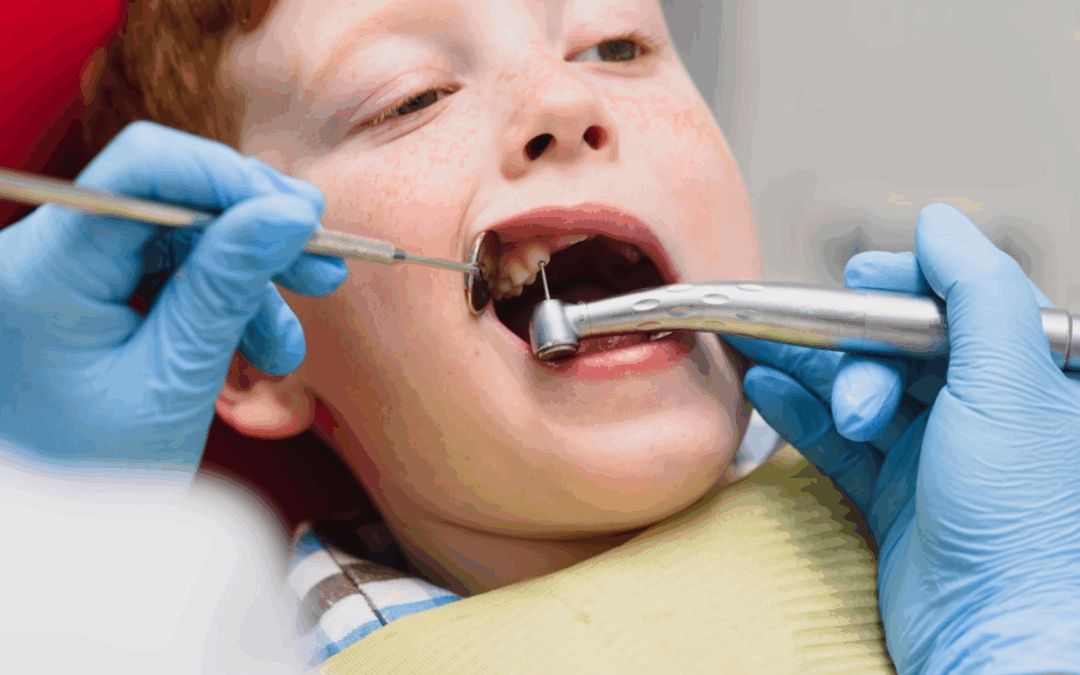
        As a parent, few things are more distressing than seeing your child in pain. When dental emergencies strike—whether it’s a knocked-out tooth from a playground fall or sudden, severe toothache in the middle of the night—knowing where to turn for immediate care is crucial. Finding a reliable emergency dentist for kids can mean the difference between saving and losing a tooth, between quick relief and prolonged discomfort. Pediatric dental emergencies require specialized care from professionals trained in both dentistry and child psychology, ensuring your little one receives treatment that addresses both their physical pain and emotional distress.

        Dental emergencies can happen at any time, often when least expected. According to the American Academy of Pediatric Dentistry, dental injuries are among the most common reasons for emergency room visits among children. Having a plan in place and knowing who to call can significantly reduce stress and improve outcomes when these situations occur. This comprehensive guide will help you understand common pediatric dental emergencies, how to handle them, and what to look for in a qualified emergency dentist for kids.

        Common Dental Emergencies in Children

        Children are active, curious, and still developing coordination, making them particularly prone to dental injuries. Understanding the types of emergencies that can occur helps parents respond appropriately when every second counts.

        Tooth Avulsion (Knocked-Out Tooth)

        One of the most alarming dental emergencies for parents is when a child completely knocks out a permanent tooth. This requires immediate attention from an emergency dentist for kids. If handled quickly and properly, there’s a good chance the tooth can be reimplanted successfully.

        If your child knocks out a permanent tooth:

        1. Find the tooth and handle it by the crown (chewing surface), not the root

        2. Gently rinse it with milk or saline solution if dirty—don’t scrub

        3. Try to reinsert it into the socket if your child is cooperative

        4. If reinsertion isn’t possible, store the tooth in milk, saline solution, or a tooth preservation kit

        5. Get to a qualified emergency dentist for kids within 30 minutes for the best chance of saving the tooth

        Fractured or Chipped Teeth

        Falls and impacts during sports or play can result in chipped or fractured teeth. The severity can range from minor enamel chips to serious fractures that expose the nerve. Even if the damage seems minor, it’s important to have a pediatric dental professional evaluate the injury to prevent future complications and address any invisible damage.

        Severe Toothache

        When a child experiences sudden, severe tooth pain, it could indicate an abscess, deep cavity, or foreign object stuck between teeth. While over-the-counter pain relievers and cold compresses can provide temporary relief, persistent pain requires evaluation by an emergency dentist for kids to identify and treat the underlying cause.

        Soft Tissue Injuries

        Cuts to the tongue, cheeks, or gums can occur from falls, sports accidents, or even chewing on hard objects. These injuries often bleed significantly due to the rich blood supply in oral tissues. Most minor soft tissue injuries heal on their own, but deeper cuts may require professional treatment to prevent infection and ensure proper healing.

        What to Look for in a Pediatric Emergency Dentist

        Not all dental practices are equipped to handle pediatric emergencies. When selecting an emergency dentist for kids, consider these important factors:

        Specialized Pediatric Training

        Pediatric dentists complete additional years of training beyond dental school focused specifically on children’s oral health, growth and development, and behavior management techniques. This specialized knowledge is invaluable when treating frightened children in pain.

        Emergency Availability

        Dental emergencies don’t keep business hours. Look for a practice that offers after-hours emergency care or has a clear protocol for handling urgent cases outside normal operating hours. Knowing you can reach a professional at any time provides invaluable peace of mind.

        Child-Friendly Environment

        A dental office designed with children in mind can significantly reduce anxiety for young patients. From welcoming decor to staff trained in working with children, these elements create a more positive experience during what can be a stressful visit.

        Behavior Management Expertise

        Children respond to pain and fear differently than adults. A qualified emergency dentist for kids will have techniques to help calm anxious children, explain procedures in age-appropriate ways, and provide treatment while minimizing trauma.

        Preventing Pediatric Dental Emergencies

        While not all dental emergencies can be prevented, many can be avoided with proper precautions:

        Use Protective Gear

        For children involved in sports, properly fitted mouthguards significantly reduce the risk of dental injuries. Custom-fitted mouthguards from a dentist offer the best protection and comfort.

        Childproof Your Home

        For toddlers, padding sharp corners of furniture and using safety gates at stairways can prevent falls that lead to dental injuries. Keep walkways clear of tripping hazards, especially as young children are learning to walk.

        Establish Good Oral Hygiene Habits

        Regular brushing, flossing, and dental check-ups can prevent many dental emergencies by identifying potential problems like cavities before they become serious issues requiring emergency care.

        Avoid Hard Foods

        Be cautious with hard candies, popcorn kernels, ice, and other foods that can crack teeth. Teach children proper chewing techniques and discourage them from using their teeth as tools to open packages.

        What to Do While Waiting for Emergency Care

        When a dental emergency occurs, knowing how to provide immediate first aid can significantly impact treatment outcomes:

        For Toothaches

        Rinse the mouth with warm water to clean it out. Gently use dental floss to remove any food caught between teeth. If swelling is present, apply a cold compress to the outside of the cheek. Do not put aspirin directly on the aching tooth or gums.

        For Broken Teeth

        Save any broken tooth fragments. Rinse the mouth with warm water and apply a cold compress to reduce swelling. If the break created sharp edges, cover them with dental wax or sugarless gum to protect soft tissues.

        For Bitten Lip or Tongue

        Clean the area gently with a cloth and apply cold compresses to reduce swelling. If bleeding is excessive or doesn’t stop after reasonable pressure, seek immediate care.

        For Objects Caught Between Teeth

        Try to gently remove the object with dental floss. Never use sharp instruments to try to remove something stuck between teeth. If flossing doesn’t work, leave it and seek professional help.

        The Importance of Follow-Up Care

        Emergency treatment is just the first step in addressing pediatric dental injuries. Follow-up care is essential to monitor healing, address any complications, and complete necessary restorative treatments. A good emergency dentist for kids will provide clear instructions for aftercare and schedule necessary follow-up appointments before you leave the office.

        Long-term monitoring may be needed for injuries to developing permanent teeth, as some complications may not appear until months or years after the initial injury. Regular dental visits allow for ongoing assessment of how the injury is affecting tooth development and oral health.

        Creating Your Dental Emergency Plan

        Every family should have a dental emergency plan in place. This includes:

        – Having the contact information for your emergency dentist for kids readily available

        – Knowing basic first aid for common dental injuries

        – Keeping a dental first aid kit with items like gauze, a small container with a lid, dental wax, and saline solution

        – Understanding what constitutes a true dental emergency versus something that can wait until regular office hours

        By preparing in advance, you can respond quickly and effectively when dental emergencies occur, reducing stress for both you and your child.

        When to Seek Immediate Emergency Care

        While some dental issues can wait until regular office hours, certain situations require immediate attention from an emergency dentist for kids:

        – Knocked-out permanent teeth

        – Severe pain that isn’t relieved by over-the-counter medications

        – Uncontrolled bleeding from the mouth

        – Swelling that is increasing or affecting breathing

        – Injuries to the jaw or face

        – Signs of infection such as fever accompanied by dental pain

        When in doubt, it’s always better to seek professional advice rather than wait. Many dental practices have someone on call who can help you determine whether your child’s situation requires immediate attention.

        Why Choose Smiles of Elgin for Your Child’s Dental Emergencies

        At Smiles of Elgin, we understand how frightening dental emergencies can be for both children and parents. Our team of experienced professionals is specially trained in pediatric emergency care, providing compassionate treatment that addresses both immediate needs and long-term oral health.

        We offer:

        – Extended hours for dental emergencies

        – A child-friendly environment designed to reduce anxiety

        – Behavior management techniques to help children feel comfortable

        – State-of-the-art equipment for accurate diagnosis and effective treatment

        – Comprehensive follow-up care to ensure optimal recovery

        If your child experiences a dental emergency, don’t hesitate to call us at 847-695-3368 for immediate guidance and to arrange for prompt treatment. Our team is here to provide the expert care your child needs to restore their smile and dental health.Need more information? Here is my website smilesofelgin.com.

        Remember, quick action during dental emergencies can prevent more serious problems and improve outcomes. By knowing what to do and who to call, you can ensure your child receives the best possible care when they need it most.

        Recent Comments

          Archives

          Office Hours

          Monday 10:00 to 6:00
          Tuesday 10:00 to 6:00
          Wednesday 11:00 to 8:00
          Thursday 10:00 to 6:00
          Friday 10:00 to 6:00
          Saturday 8:00 to 3:00
          Sunday Appointment only
          The Ultimate Guide to Finding Effective Treatment for Broken Tooth Pain

          The Ultimate Guide to Finding Effective Treatment for Broken Tooth Pain

          The Ultimate Guide to Finding Effective Treatment for Broken Tooth Pain

          The Ultimate Guide to Finding Effective Treatment for Broken Tooth Pain

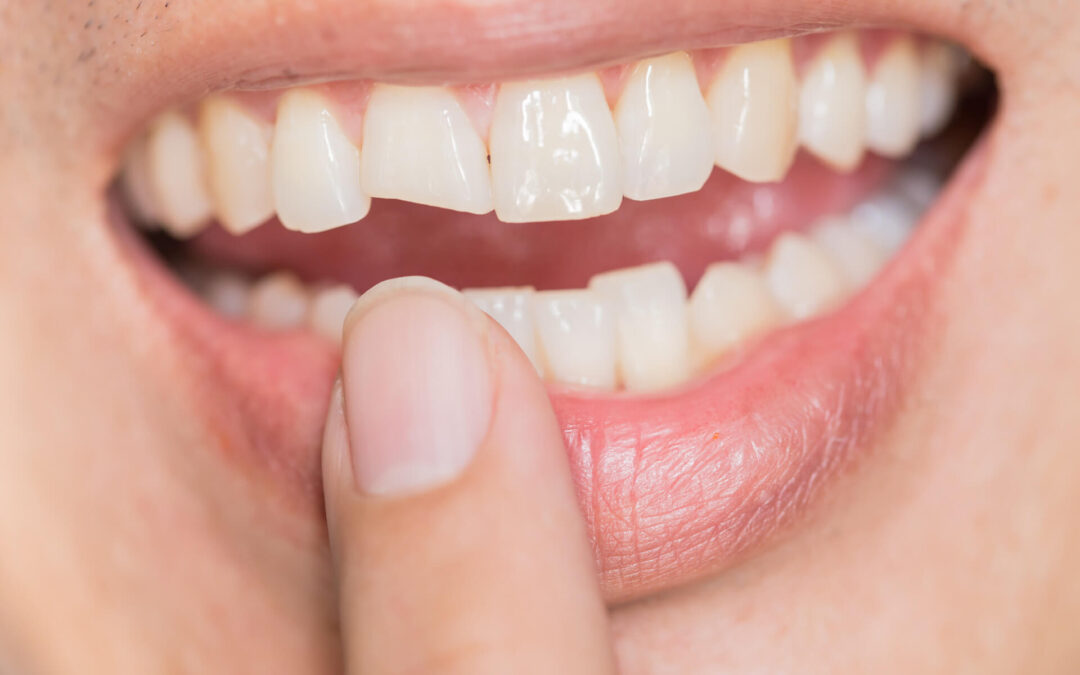
          A sudden, sharp pain when biting down, an uncomfortable sensitivity to temperature changes, or a persistent, throbbing ache—these are all telltale signs of a broken tooth. This common dental emergency can turn simple daily activities like eating and drinking into painful challenges. Finding the right treatment for broken tooth pain is crucial not only for immediate comfort but also for preventing further complications. While at-home remedies can provide temporary relief, understanding your professional options is essential for long-term dental health. This comprehensive guide will walk you through everything you need to know about managing discomfort and restoring your dental well-being.

          A fractured tooth exposes the sensitive inner layers to bacteria, temperature extremes, and pressure, leading to significant discomfort. The enamel, which is the hardest substance in the human body, protects the more vulnerable dentin and pulp beneath. When this protective barrier is compromised, every sip of coffee or bite of food can send a jolt of pain through your jaw. The immediate goal of any treatment for broken tooth pain is to protect the area, reduce inflammation, and calm the nerve response until you can receive professional dental care. It’s important to remember that while self-care measures can manage symptoms temporarily, they do not address the underlying cause of the problem.

          Understanding Why a Broken Tooth Causes Such Intense Pain

          To effectively address dental pain, it helps to understand its source. Your teeth are complex structures composed of multiple layers, each with a specific function and sensitivity level.

          The Anatomy of a Tooth

          The outermost layer of your tooth is the enamel—a remarkably hard, protective surface that contains no living cells or nerves. Beneath the enamel lies the dentin, a porous tissue that contains microscopic tubules leading to the nerve center of the tooth. When the enamel is compromised, these tubules allow stimuli to reach the nerves, resulting in pain. At the core of the tooth is the pulp, which contains blood vessels, connective tissue, and nerves. When a crack or break reaches this area, it can cause intense, persistent pain and lead to infection.

          Types of Tooth Fractures

          Not all tooth fractures are created equal. Understanding the type of break you’re dealing with can help you and your dentist determine the appropriate treatment for broken tooth pain. Craze lines are superficial cracks that only affect the enamel and typically don’t cause pain. A more serious fracture might involve the cusp (the pointed part of the chewing surface), which often causes discomfort when chewing. More severe cases include cracks that extend toward the root or split teeth, which often require immediate professional attention.

          Immediate First Aid: Steps to Take Before Seeing a Dentist

          When you first discover a broken tooth, taking the right steps can minimize pain and prevent further damage while you arrange for professional care.

          Managing Initial Discomfort

          Begin by rinsing your mouth with warm salt water to clean the area and reduce bacteria. If you’re experiencing swelling, apply a cold compress to the outside of your cheek in 15-minute intervals. This can help reduce inflammation and numb the area temporarily. Over-the-counter pain relievers like ibuprofen can be effective for managing discomfort, but always follow dosage instructions carefully and consult with a pharmacist if you have any health conditions that might contraindicate their use.

          Protecting the Damaged Tooth

          If the fracture has created sharp edges that might cut your tongue or cheek, cover them with orthodontic wax or sugar-free chewing gum. Avoid chewing on the side of your mouth with the damaged tooth, and stick to soft foods that require minimal chewing. Temperature sensitivity is common with tooth fractures, so avoid extremely hot or cold foods and beverages that might trigger pain responses.

          Professional Treatment Options for Broken Tooth Pain

          While temporary measures can provide short-term relief, professional dental care is essential for addressing the root cause of your discomfort and preventing further complications. The appropriate treatment for broken tooth pain depends on the severity and location of the fracture.

          Dental Bonding and Fillings

          For minor fractures that primarily affect the enamel, dental bonding might be the recommended solution. This procedure involves applying a tooth-colored composite resin to the damaged area, which is then shaped and hardened with a special light. The process is relatively quick, often completed in a single visit, and can effectively restore the tooth’s appearance and function while eliminating sensitivity.

          Dental Crowns for Extensive Damage

          When a significant portion of the tooth structure is compromised, a dental crown may be the best treatment for broken tooth pain. Crowns are custom-made caps that fit over the entire visible portion of the tooth, providing protection and restoring function. The process typically requires two visits: one to prepare the tooth and take impressions, and a second to place the permanent crown. Modern dentistry offers various crown materials, including porcelain, ceramic, and metal alloys, each with specific advantages.

          Root Canal Therapy

          If the fracture has extended into the pulp of the tooth, causing infection or inflammation of the nerve tissue, root canal therapy may be necessary. Contrary to popular belief, modern root canal procedures are relatively comfortable and highly effective at eliminating pain while preserving the natural tooth. This treatment for broken tooth pain involves removing the damaged pulp, cleaning and disinfecting the inner chambers of the tooth, and then sealing them to prevent reinfection.

          Tooth Extraction and Replacement Options

          In cases where the tooth is severely damaged and cannot be saved, extraction may be the only option. While this might seem like a drastic measure, today’s dentistry offers excellent replacement options, including dental implants and bridges. These solutions not only restore function but also prevent the shifting of adjacent teeth that can occur when a tooth is missing.

          Preventing Future Dental Fractures

          Once you’ve addressed the immediate issue, taking steps to prevent future dental injuries is wise. Using a mouthguard during sports activities can protect your teeth from trauma. If you grind your teeth at night (a condition called bruxism), a custom-fitted night guard can prevent excessive wear and tear on your tooth enamel. Avoiding bad habits like chewing on ice, hard candy, or non-food objects like pens can also reduce your risk of dental fractures.

          When to Seek Emergency Dental Care

          While some tooth fractures can wait for a scheduled appointment, certain symptoms require immediate attention. If you’re experiencing severe, uncontrolled pain, significant bleeding that doesn’t stop, signs of infection (such as fever, swelling, or pus), or if you’ve completely knocked out a tooth, seek emergency dental care right away. These could be signs of a serious condition that needs prompt treatment for broken tooth pain to prevent permanent damage or systemic health issues.

          Why Professional Care is Essential for Broken Teeth

          Attempting to manage a broken tooth solely with home remedies is not advisable. Without proper professional care, what begins as a minor fracture can develop into a serious infection that affects not only your oral health but your overall wellbeing. Bacteria from an infected tooth can enter your bloodstream and potentially affect other parts of your body. Additionally, an untreated fracture can worsen over time, potentially leading to the complete loss of the tooth, which would require more extensive and expensive treatment to address.

          Don’t Endure the Pain—Seek Professional Help Today

          A broken tooth is more than just an inconvenience; it’s a dental emergency that requires prompt, professional attention. While the temporary measures discussed can provide short-term relief, they are no substitute for expert care from a qualified dental professional. If you’re experiencing discomfort from a broken or fractured tooth, our compassionate and experienced team at Smiles of Elgin is here to help. We provide emergency dental care to address your pain and restore your dental health. Please don’t hesitate to reach out to us at 847-695-3368 to schedule an urgent appointment. Let us provide you with the permanent solution and the peace of mind that comes with expert care.

          Recent Comments

            Archives

            Office Hours

            Monday 10:00 to 6:00
            Tuesday 10:00 to 6:00
            Wednesday 11:00 to 8:00
            Thursday 10:00 to 6:00
            Friday 10:00 to 6:00
            Saturday 8:00 to 3:00
            Sunday Appointment only
            Your Ultimate Guide to Effective Broken Tooth Pain Relief

            Your Ultimate Guide to Effective Broken Tooth Pain Relief

            Your Ultimate Guide to Effective Broken Tooth Pain Relief

            Your Ultimate Guide to Effective Broken Tooth Pain Relief

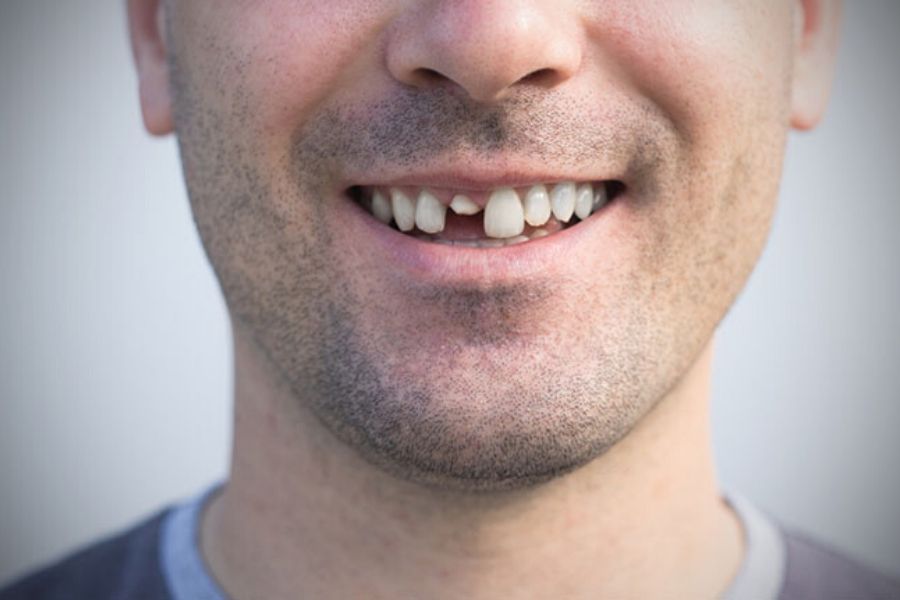
            A sudden, sharp pain when you bite down, an uncomfortable sensitivity to hot coffee or ice cream, or a nagging ache that just won’t subside—a broken tooth is more than just an inconvenience; it’s a dental emergency that demands immediate attention. The discomfort can range from a mild annoyance to severe, debilitating pain that impacts your daily life. While the only definitive solution is professional dental care, finding effective broken tooth pain relief in the interim is crucial for your comfort and well-being. This comprehensive guide is designed to help you manage the pain safely at home and understand why seeking expert care from a trusted practice like Smiles of Elgin is the most important step you can take.

            A fractured tooth exposes the inner, sensitive layers of your tooth to the elements. Under the hard, white enamel is a layer called dentin, and beneath that lies the pulp—the living core of the tooth filled with nerves and blood vessels. When a break compromises these areas, every sip, bite, and breath can trigger a wave of pain. The goal of immediate broken tooth pain relief is to protect the area, reduce inflammation, and calm the nerve response until you can see a dentist. Remember, these measures are temporary; they treat the symptom (pain) but not the underlying cause (the break itself), which will only worsen without professional intervention.

            Understanding Why a Broken Tooth Hurts So Much

            To effectively manage pain, it helps to understand its source. Your teeth are not solid bone; they are complex structures.

            Enamel: The outermost layer is the hardest substance in the human body. It has no nerves, so a small chip that only affects enamel may not hurt at all.

            Dentin: Just beneath the enamel lies the dentin. This layer is porous and contains microscopic tubules that lead directly to the nerve center (pulp). When dentin is exposed, stimuli like temperature changes and pressure can travel directly to the nerve, causing sharp, sudden pain.

            Pulp: The innermost part of the tooth contains the nerve tissue, blood vessels, and connective tissue. If a crack or break reaches the pulp, it can cause intense, persistent pain, sensitivity, and lead to infection (abscess).

            The pain you feel is essentially the nerve inside your tooth sending out a distress signal, indicating it has been exposed to the outside environment and is vulnerable to bacteria.

            Immediate First Steps for a Fractured Tooth

            Before you even begin to address the pain, your first actions should focus on preventing further damage and protecting your mouth.

            1. Locate the Fragment: If a piece of the tooth has broken off, try to find it. Place it in a clean container with a little milk or saliva. Your dentist might be able to reattach it.

            2. Rinse Your Mouth: Use a warm (not hot) saltwater rinse. Mix half a teaspoon of salt in an 8-ounce glass of warm water. Swish gently to clean the area of debris and bacteria, which can reduce the risk of infection and provide mild broken tooth pain relief by soothing inflamed gums.

            3. Protect the Sharp Edges: If the break has left a sharp or jagged edge, you can temporarily cover it with orthodontic wax or a piece of sugar-free chewing gum. This prevents it from cutting your tongue, cheek, or lips.

            4. Adjust Your Diet: Immediately switch to soft foods and avoid chewing on the side of the broken tooth. Steer clear of foods that are extremely hot, cold, sweet, or hard, as they will likely trigger pain.

            Effective At-Home Strategies for Managing Discomfort

            While waiting for your dental appointment, you can employ several safe and effective methods to reduce pain and inflammation. These strategies are proven to offer temporary respite.

            Over-the-Counter Pain Medication

            Non-prescription anti-inflammatory drugs are often the first line of defense for dental pain.

            Ibuprofen (Advil, Motrin): This is typically the most effective option for dental pain because it reduces inflammation in the nerve and surrounding tissue, addressing a root cause of the pain.

            Acetaminophen (Tylenol): This medication is effective for pain relief but does not have anti-inflammatory properties. It can be a good alternative if you cannot take NSAIDs like ibuprofen.

            Always follow the dosage instructions on the bottle and consult with a pharmacist or doctor if you have any concerns about interactions with other medications or health conditions.

            Topical Numbing Gels

            Gels containing benzocaine (like Orajel or Anbesol) can provide localized, temporary numbness. Apply a small amount directly to the affected tooth and surrounding gum with a cotton swab as directed on the product packaging. Be careful not to overuse these products.

            The Power of Cold Therapy

            Applying cold to the outside of your cheek near the painful tooth can significantly reduce pain and swelling.

            Method: Wrap an ice pack or a bag of frozen peas in a thin cloth or towel. Do not apply ice directly to the skin.

            Duration: Apply it to the cheek for 15-minute intervals—15 minutes on, 15 minutes off. This constricts blood vessels, reducing inflammation and numbing the area.

            Natural and Home Remedies

            Several natural remedies have soothing properties that can aid in comfort. While scientific evidence for their direct efficacy on tooth pain may vary, many people find them helpful.

            Clove Oil: For centuries, clove oil (eugenol) has been used for dental pain due to its natural antiseptic and numbing properties. Dab a very small amount onto a cotton ball and gently apply it to the broken tooth. Do not use it excessively, as it can be potent.

            Salt Water Rinse: As mentioned earlier, this is a simple but effective way to keep the area clean, reduce bacteria, and soothe inflammation. Rinse several times a day, especially after eating.

            Elevate Your Head: When lying down, prop your head up with an extra pillow. Elevating your head reduces blood flow to the head, which can lessen throbbing pain and pressure in the tooth.

            What to Absolutely Avoid

            In your search for comfort, it’s just as important to know what not to do, as some actions can dramatically worsen the situation.

            Do NOT apply aspirin directly to the tooth or gum. This is an old wives’ tale that can actually cause a chemical burn on your soft gum tissue.

            Avoid using the damaged tooth for chewing. Every bite risks further fracturing the tooth or driving bacteria deeper into the pulp.

            Do not probe the area with your tongue or fingers. This can introduce more bacteria and irritate the exposed nerves.

            Avoid very hot, cold, or sugary foods and drinks. They are almost guaranteed to trigger a painful response.

            Why Professional Dental Care is Non-Negotiable

            Temporary broken tooth pain relief is a stopgap, not a solution. A broken tooth will not heal on its own. Without professional treatment, the problem will escalate, leading to more severe pain, infection, and potentially the loss of the tooth. The required treatment depends entirely on the severity and location of the break.

            Common Professional Treatments for a Broken Tooth

            A dentist will examine the tooth, likely taking an X-ray to assess the damage to the root and pulp. The treatment plan will be based on their findings.

            Dental Bonding or Filling

            For minor breaks and chips that affect only the enamel, a dentist can often repair the tooth in one visit using a tooth-colored composite resin. This is a simple, effective way to restore the tooth’s shape and protect the dentin.

            Dental Crown or Cap

            If a significant portion of the tooth is broken off, a crown is usually the recommended solution. A crown is a custom-made “cap” that fits over the remaining tooth structure, protecting it and restoring its function and appearance. This typically requires two visits.

            Root Canal Therapy

            If the break is severe enough to have exposed and damaged the pulp, the tissue inside will become infected and die. To save the tooth, a dentist must perform a root canal. This procedure involves removing the infected pulp, cleaning and disinfecting the inner chambers of the tooth, and then sealing it. A crown is almost always placed afterward to protect the now-brittle tooth.

            Tooth Extraction

            In the most severe cases where the tooth is broken beyond repair—such as a crack that extends deep below the gum line—the only option may be to extract the tooth. The dentist will then discuss replacement options, such as a dental implant or bridge, to restore your smile.

            Don’t Endure the Pain—Call Us Today!

            A broken tooth is a serious matter that requires prompt, professional attention. While managing pain at home is important for your immediate comfort, it is not a substitute for expert dental care. Delaying treatment only increases the risk of complications and more complex procedures down the line.

            If you are suffering from a broken or fractured tooth in the Elgin area, our compassionate and experienced team is here to help. We provide emergency dental care to address your pain and restore your dental health. Please do not hesitate to reach out to us at 847-695-3368 to schedule an urgent appointment. Let us provide you with the permanent solution and the peace of mind that comes with expert care.

            Recent Comments

              Archives

              Office Hours

              Monday 10:00 to 6:00
              Tuesday 10:00 to 6:00
              Wednesday 11:00 to 8:00
              Thursday 10:00 to 6:00
              Friday 10:00 to 6:00
              Saturday 8:00 to 3:00
              Sunday Appointment only