

1209 Dundee Avenue Elgin, IL 60120



Traditional Metal Braces: Effective Treatment for Any Smile
Traditional Metal Braces: The Time-Tested Path to a Confident Smile
For many, the journey to a perfectly aligned smile begins with a familiar image: the gleaming, silver hardware of traditional metal braces. As the original and most recognized form of orthodontic treatment, they have successfully straightened teeth for generations. While modern dentistry has introduced clear aligners and ceramic options, the fundamental effectiveness of traditional metal braces remains unparalleled for many cases. This article explores why this proven method continues to be a premier choice, its significant advancements, and how it can create the healthy, beautiful smile you deserve.
Why Choose Traditional Metal Braces Today?
In an era of aesthetic alternatives, you might wonder why metal braces are still so widely recommended. The answer lies in their unmatched versatility and control. Traditional metal braces are not just for simple crowding; they are powerful tools that orthodontists use to correct a wide range of complex issues. These include severe overbites, underbites, crossbites, significant spacing problems, and the precise rotation of teeth. Their fixed nature means they are working around the clock, allowing for efficient, predictable movements that might be challenging or impossible with removable options. For many patients, especially children, teenagers, and adults with complex needs, they offer the most direct and reliable path to optimal results.
Understanding the Modern System of Traditional Metal Braces
Gone are the days of bulky, uncomfortable brackets and mouthfuls of metal. Today’s systems are a testament to orthodontic innovation, focusing on patient comfort and faster treatment times.
Key Components and How They Work
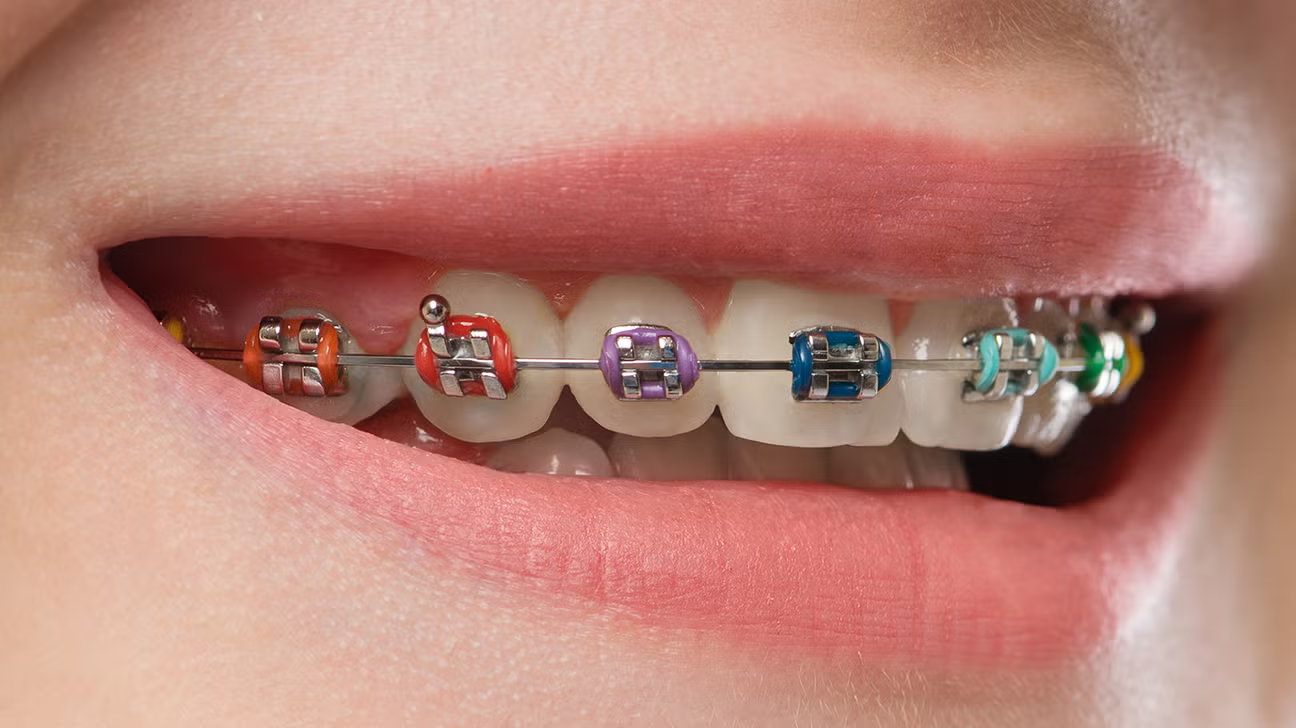
A modern system consists of three main parts. First, small, precisely engineered brackets are bonded to the front of each tooth. Second, a flexible archwire threads through each bracket, applying the gentle, continuous pressure that guides teeth into their new positions. Finally, small elastic bands called ligatures hold the wire in place. During regular adjustment appointments, your orthodontist will change or tighten the archwire to maintain progress. It’s this controlled, dynamic force that makes the treatment so effective for even the most stubborn alignment issues.
Advances in Comfort and Efficiency
The evolution of this technology is significant. Brackets are now much smaller and smoother, dramatically reducing irritation to the cheeks and lips. The use of heat-activated archwires is a major advancement; these wires use your body’s natural warmth to apply a gentler, more consistent force, leading to less discomfort after adjustments and potentially shortening overall treatment time. Furthermore, the option of self-ligating brackets, which use a built-in clip instead of elastic ties, can reduce friction and allow for even more efficient tooth movement.
The Treatment Journey: What to Expect
Embarking on orthodontic treatment is a commitment, and knowing what lies ahead can make the process feel much more manageable.
The Process of Getting Traditional Metal Braces
Your journey begins with a comprehensive consultation, including X-rays and digital impressions, to create a customized treatment plan. The placement appointment itself is straightforward and painless. Your teeth will be cleaned, and a special dental cement is used to attach each bracket. The archwire is then secured. You may feel some general pressure and tenderness for a few days as your teeth begin to move, which is easily managed with over-the-counter pain relief and a soft-food diet.
Life with Braces and Maintaining Your Results
Adapting to life with braces involves a few key routines. Excellent oral hygiene is paramount, as brackets and wires can trap food. Using specialized tools like interdental brushes and a water flosser is highly recommended. You’ll also need to avoid certain hard, sticky, or chewy foods that could damage the appliances. Regular adjustment appointments, typically every 6-8 weeks, are essential to keep your treatment on track. Once your braces are removed, the retention phase begins. Wearing your retainer exactly as prescribed is the most critical step to ensure your new smile stays perfectly in place for a lifetime.
Comparing Your Orthodontic Options
When considering smile correction, it’s helpful to view traditional metal braces within the full spectrum of choices. Clear aligner therapy, like Invisalign, offers a less visible option and is excellent for mild to moderate alignment issues. Ceramic braces use tooth-colored brackets for a more discreet look. However, for significant corrections, complex bites, or cases requiring precise vertical control, metal braces often provide a level of effectiveness and predictability that other systems cannot match. They are also typically a more cost-effective solution for comprehensive treatment.
Ultimately, the best choice depends on your unique dental anatomy, lifestyle, and orthodontic goals. A consultation with an experienced orthodontist is the only way to determine which appliance will deliver the best outcome for you.
The decision to transform your smile is an exciting one. If you are looking for a proven, effective, and reliable solution, modern traditional metal braces are an outstanding choice. They offer the strength and precision needed to correct even complex dental issues, building a foundation for lifelong oral health and confidence.
Ready to explore how orthodontics can change your smile? The expert team at Smiles of Elgin is here to guide you. We provide personalized consultations to discuss all your options, from traditional metal braces to the latest clear aligner technology. For more information or to schedule your appointment, please call us at 847-695-3368 or visit our website at smilesofelgin.com. Let’s start your journey to a healthier, more radiant smile together.
Office Hours
| Monday | 10:00 to 6:00 |
| Tuesday | 10:00 to 6:00 |
| Wednesday | 11:00 to 8:00 |
| Thursday | 10:00 to 6:00 |
| Friday | 10:00 to 6:00 |
| Saturday | 8:00 to 3:00 |
| Sunday | Appointment only |
Recent Comments