See Hours of Operation

Emergency Dental Care for Pain, Infection, Trauma & Broken Teeth

Emergency Dental Care for Pain, Infection, Trauma & Broken Teeth

Emergency Dental Care for Pain, Infection, Trauma & Broken Teeth

Navigating a Dental Care Emergency: Your Guide to Immediate Action and Relief

A sudden, sharp pain in your mouth, a broken tooth from a fall, or unexpected swelling in your gums can be alarming. When these situations arise, knowing how to respond is crucial for your health and comfort. A dental care emergency requires prompt attention to alleviate pain, prevent complications, and save your teeth. This guide will help you identify what constitutes a true emergency, the immediate steps you can take at home, and when it’s essential to seek professional help from your trusted dental team.

Identifying a True Dental Care Emergency

Not every dental discomfort requires an urgent visit, but certain symptoms should never be ignored. A true dental care emergency typically involves severe pain, trauma, bleeding that won’t stop, or signs of a serious infection. Differentiating between an urgent issue and a problem that can wait a day or two for a regular appointment can help you stay calm and take the right action.

Common Scenarios That Require Urgent Attention

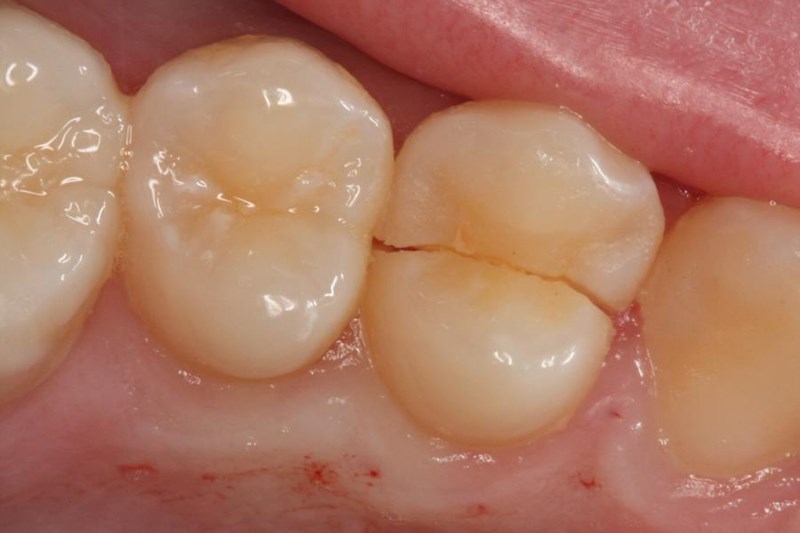
Several specific situations warrant an immediate call to your dentist. A knocked-out (avulsed) tooth is a critical emergency where time is of the essence; the tooth has the highest chance of being reimplanted if treated within 60 minutes. An abscess or serious infection, often signaled by a pimple-like swelling on the gums, severe throbbing pain, and sometimes fever, can spread and become systemic if not treated promptly. Uncontrollable bleeding from the mouth, a loose or severely displaced adult tooth due to injury, and a cracked or fractured tooth with severe pain are all clear indicators that you need emergency care.

Issues That Can Often Wait

Some dental problems, while uncomfortable, may not constitute an immediate emergency if managed properly. A lost filling or crown can often be temporarily addressed with dental cement from a pharmacy until you can see your dentist. A minor chip without pain, a dull toothache without swelling, or a broken orthodontic wire that isn’t causing trauma can typically be scheduled as a priority appointment rather than an after-hours emergency visit.

Your Immediate Response: First Aid for Dental Emergencies

Knowing what to do in the moments following a dental injury can significantly impact the outcome. Remaining calm and taking these specific first-aid steps can manage pain, protect your oral structures, and buy you valuable time before you reach professional care.

First Aid for a Knocked-Out Tooth

Handle the tooth only by the crown (the chewing surface), never the root. If it’s dirty, rinse it gently with milk or saline solution—do not scrub it. If possible, try to reinsert it into the socket, holding it in place with gentle pressure. If you cannot reinsert it, place it in a container of milk, saline, or a tooth preservation product. Your own saliva is a last resort. Call your dentist immediately and get to the office as fast as possible.

Managing Severe Pain and Swelling

For a toothache, rinse your mouth with warm salt water to cleanse the area and use dental floss to gently remove any trapped food that may be causing pressure. A cold compress applied to the outside of your cheek can help reduce swelling and numb pain. Over-the-counter anti-inflammatory pain relievers like ibuprofen can be effective, but never place aspirin directly on the gums or tooth, as it can burn the tissue.

Containing the Damage: Cracks, Breaks, and Lost Restorations

If you fracture a tooth, rinse your mouth with warm water and save any pieces. Use a cold compress on the area to minimize swelling. If there is a sharp edge, cover it with dental wax or sugarless gum to protect your tongue and cheek. For a lost crown or filling, you can use temporary dental cement from a drugstore to cover the sensitive area until you can see your dentist.

Why Prompt Professional Treatment is Non-Negotiable

Attempting to “wait out” a serious dental issue can lead to far more complex, painful, and expensive problems down the line. What starts as a manageable dental care emergency can quickly escalate without proper intervention.

An untreated infection from an abscess can spread to your jaw, other areas of your head and neck, or even enter your bloodstream, becoming a life-threatening condition called sepsis. A cracked tooth that is not treated can split further, often necessitating a more invasive procedure like a root canal or even extraction instead of a simple crown. A knocked-out tooth that isn’t reimplanted in time will be lost, requiring a bridge, implant, or denture to fill the space and maintain your oral function and bone health.

Seeking urgent care is not just about stopping pain—it’s about preserving your natural teeth, preventing secondary health issues, and securing the most straightforward and conservative treatment path available.

Your Partner in Urgent Dental Care

When a dental care emergency strikes, you need a team you can trust to provide compassionate, expert, and timely care. At Smiles of Elgin, we understand the stress and discomfort that comes with unexpected dental injuries and severe pain. Our practice is equipped to handle urgent situations, offering same-day emergency appointments whenever possible to address your pain, diagnose the problem, and begin immediate treatment to stabilize your oral health.

We are committed to being your reliable partner for all aspects of dental health, especially when you need us most. Don’t hesitate to reach out in an urgent situation; our team is here to guide you and provide the relief you need.

If you are experiencing a dental care emergency, severe pain, or trauma, please do not wait. Contact Smiles of Elgin immediately at 847-695-3368. Our team will provide immediate phone guidance and work to see you as soon as possible. For more information about our services, you can also visit our website at smilesofelgin.com. Your health and comfort are our top priorities.

Recent Comments

    Archives

    Office Hours

    Monday 10:00 to 6:00
    Tuesday 10:00 to 6:00
    Wednesday 11:00 to 8:00
    Thursday 10:00 to 6:00
    Friday 10:00 to 6:00
    Saturday 8:00 to 3:00
    Sunday Appointment only
    Incognito Braces Cost Guide | The Truly Hidden Option

    Incognito Braces Cost Guide | The Truly Hidden Option

    Incognito Braces Cost Guide | The Truly Hidden Option

    Decoding Incognito Braces Cost: Your Investment in a Discreet Smile

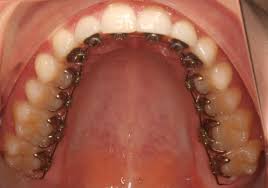
    For adults and image-conscious professionals seeking orthodontic treatment, the visibility of traditional braces can be a significant concern. This is where lingual braces, most famously the Incognito system, offer a compelling solution. Placed on the back surfaces of your teeth, they are completely hidden from view, providing effective treatment without the aesthetic compromise. Naturally, one of the first questions we hear is about incognito braces cost. While this premium, customized treatment represents an investment, understanding the factors that influence the price can help you appreciate its value and determine if it’s the right choice for your smile journey.

    What Factors Influence the Overall Incognito Braces Cost?

    The price for Incognito treatment is not a one-size-fits-all figure. It reflects the highly personalized nature of the system and the complexity of your specific orthodontic needs. When considering the total incognito braces cost, several key elements come into play.

    The Role of Case Complexity and Treatment Duration

    The primary driver of cost is the nature of the correction required. Simple cases involving minor crowding or spacing will typically require less time and fewer adjustments than complex cases involving severe misalignment, bite issues (like overbites or underbites), or tooth rotations. A longer, more intricate treatment plan demands more orthodontist expertise, appointment time, and materials, which is reflected in the overall fee. During your consultation, digital impressions and X-rays will allow your orthodontist to create a precise treatment plan and provide a clearer estimate of both time and financial investment.

    The Premium of Customization and Technology

    Unlike standard braces with pre-formed brackets, the Incognito system is a feat of digital dentistry. Each bracket is custom-milled from a gold alloy to fit the unique topography of the back of your individual tooth. Furthermore, the archwires are pre-bent by robotic technology to match your precise treatment path. This high level of customization ensures optimal comfort and efficient tooth movement but involves advanced manufacturing processes and laboratory fees that contribute to the incognito braces cost. You are paying for a medical device made exclusively for you.

    Geographic Location and Orthodontic Expertise

    Practice location and the orthodontist’s level of experience with lingual braces also influence pricing. Clinics in metropolitan areas often have higher operational costs. More importantly, successfully treating patients with hidden braces requires specialized training and skill. Choosing an orthodontist with a strong portfolio of successful Incognito cases is an investment in a smooth treatment experience and an excellent outcome, which is a valuable part of the overall value proposition.

    Weighing the Value: What Does Your Investment Include?

    When evaluating any medical treatment, looking beyond the initial price tag to understand what is encompassed is crucial. The quoted fee for your treatment is typically comprehensive.

    What’s Typically Covered in the Total Fee

    A complete treatment plan usually includes all necessary diagnostic records (X-rays, scans, photographs), the custom-made Incognito appliances themselves, all installation and adjustment appointments throughout your treatment timeline, and the final retention phase with retainers to maintain your new smile. This all-inclusive approach allows for predictable budgeting without surprise fees along the way.

    Comparing Value with Other Aesthetic Options

    It’s helpful to contextualize the incognito braces cost among other discreet alternatives. While clear aligners like Invisalign are also popular, they are removable and require a high degree of patient compliance. Ceramic braces, while less visible than metal, are still placed on the front of the teeth. Incognito braces offer a unique combination of being 100% invisible to others and fixed, meaning they work 24/7 without relying on patient wear schedules. For the right candidate, this combination of total discretion and guaranteed wear provides significant value that other systems cannot match.

    Making Treatment Accessible: Understanding Financial Options

    We believe that achieving your ideal smile should be financially feasible. A reputable orthodontic practice will offer clear financial pathways.

    Most practices provide flexible payment plans, allowing you to spread the incognito braces cost over the course of treatment with low monthly payments. Many accept payments from Health Savings Accounts (HSAs) or Flexible Spending Accounts (FSAs), which use pre-tax dollars. While dental insurance plans rarely cover the full cost of orthodontics for adults, many offer a lifetime orthodontic benefit that can be applied to reduce your out-of-pocket expense. Our team will help you verify your benefits and explore all available options during your consultation.

    Choosing Incognito braces is about investing in your confidence, oral health, and personal image without compromise. While the initial inquiry often focuses on incognito braces cost, the true consideration is the value of a perfectly aligned smile achieved completely in secret. The confidence gained from knowing your treatment is private and effective is, for many, an invaluable part of the process.

    If you are ready to explore the possibility of a hidden transformation, the first step is a personalized consultation. At Smiles of Elgin, we specialize in providing discrete orthodontic solutions tailored to adult lifestyles.

    We will conduct a thorough examination, discuss your goals, and provide a clear, detailed breakdown of your investment. To start your journey toward a confident, invisible smile, contact us today at 847-695-3368 or visit our website at smilesofelgin.com to schedule your appointment.

    Recent Comments

      Archives

      Office Hours

      Monday 10:00 to 6:00
      Tuesday 10:00 to 6:00
      Wednesday 11:00 to 8:00
      Thursday 10:00 to 6:00
      Friday 10:00 to 6:00
      Saturday 8:00 to 3:00
      Sunday Appointment only
      Traditional Metal Braces: Effective Treatment for Any Smile

      Traditional Metal Braces: Effective Treatment for Any Smile

      Traditional Metal Braces: Effective Treatment for Any Smile

      Traditional Metal Braces: The Time-Tested Path to a Confident Smile

      For many, the journey to a perfectly aligned smile begins with a familiar image: the gleaming, silver hardware of traditional metal braces. As the original and most recognized form of orthodontic treatment, they have successfully straightened teeth for generations. While modern dentistry has introduced clear aligners and ceramic options, the fundamental effectiveness of traditional metal braces remains unparalleled for many cases. This article explores why this proven method continues to be a premier choice, its significant advancements, and how it can create the healthy, beautiful smile you deserve.

      Why Choose Traditional Metal Braces Today?

      In an era of aesthetic alternatives, you might wonder why metal braces are still so widely recommended. The answer lies in their unmatched versatility and control. Traditional metal braces are not just for simple crowding; they are powerful tools that orthodontists use to correct a wide range of complex issues. These include severe overbites, underbites, crossbites, significant spacing problems, and the precise rotation of teeth. Their fixed nature means they are working around the clock, allowing for efficient, predictable movements that might be challenging or impossible with removable options. For many patients, especially children, teenagers, and adults with complex needs, they offer the most direct and reliable path to optimal results.

      Understanding the Modern System of Traditional Metal Braces

      Gone are the days of bulky, uncomfortable brackets and mouthfuls of metal. Today’s systems are a testament to orthodontic innovation, focusing on patient comfort and faster treatment times.

      Key Components and How They Work

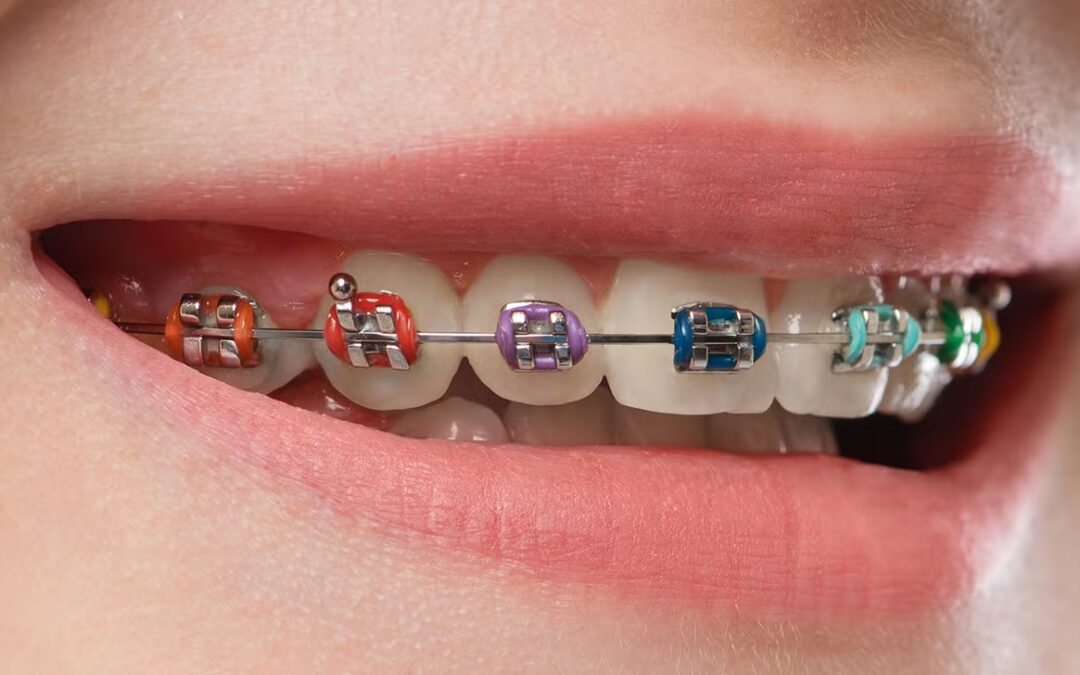
      A modern system consists of three main parts. First, small, precisely engineered brackets are bonded to the front of each tooth. Second, a flexible archwire threads through each bracket, applying the gentle, continuous pressure that guides teeth into their new positions. Finally, small elastic bands called ligatures hold the wire in place. During regular adjustment appointments, your orthodontist will change or tighten the archwire to maintain progress. It’s this controlled, dynamic force that makes the treatment so effective for even the most stubborn alignment issues.

      Advances in Comfort and Efficiency

      The evolution of this technology is significant. Brackets are now much smaller and smoother, dramatically reducing irritation to the cheeks and lips. The use of heat-activated archwires is a major advancement; these wires use your body’s natural warmth to apply a gentler, more consistent force, leading to less discomfort after adjustments and potentially shortening overall treatment time. Furthermore, the option of self-ligating brackets, which use a built-in clip instead of elastic ties, can reduce friction and allow for even more efficient tooth movement.

      The Treatment Journey: What to Expect

      Embarking on orthodontic treatment is a commitment, and knowing what lies ahead can make the process feel much more manageable.

      The Process of Getting Traditional Metal Braces

      Your journey begins with a comprehensive consultation, including X-rays and digital impressions, to create a customized treatment plan. The placement appointment itself is straightforward and painless. Your teeth will be cleaned, and a special dental cement is used to attach each bracket. The archwire is then secured. You may feel some general pressure and tenderness for a few days as your teeth begin to move, which is easily managed with over-the-counter pain relief and a soft-food diet.

      Life with Braces and Maintaining Your Results

      Adapting to life with braces involves a few key routines. Excellent oral hygiene is paramount, as brackets and wires can trap food. Using specialized tools like interdental brushes and a water flosser is highly recommended. You’ll also need to avoid certain hard, sticky, or chewy foods that could damage the appliances. Regular adjustment appointments, typically every 6-8 weeks, are essential to keep your treatment on track. Once your braces are removed, the retention phase begins. Wearing your retainer exactly as prescribed is the most critical step to ensure your new smile stays perfectly in place for a lifetime.

      Comparing Your Orthodontic Options

      When considering smile correction, it’s helpful to view traditional metal braces within the full spectrum of choices. Clear aligner therapy, like Invisalign, offers a less visible option and is excellent for mild to moderate alignment issues. Ceramic braces use tooth-colored brackets for a more discreet look. However, for significant corrections, complex bites, or cases requiring precise vertical control, metal braces often provide a level of effectiveness and predictability that other systems cannot match. They are also typically a more cost-effective solution for comprehensive treatment.

      Ultimately, the best choice depends on your unique dental anatomy, lifestyle, and orthodontic goals. A consultation with an experienced orthodontist is the only way to determine which appliance will deliver the best outcome for you.

      The decision to transform your smile is an exciting one. If you are looking for a proven, effective, and reliable solution, modern traditional metal braces are an outstanding choice. They offer the strength and precision needed to correct even complex dental issues, building a foundation for lifelong oral health and confidence.

      Ready to explore how orthodontics can change your smile? The expert team at Smiles of Elgin is here to guide you. We provide personalized consultations to discuss all your options, from traditional metal braces to the latest clear aligner technology. For more information or to schedule your appointment, please call us at 847-695-3368 or visit our website at smilesofelgin.com. Let’s start your journey to a healthier, more radiant smile together.

      Recent Comments

        Archives

        Office Hours

        Monday 10:00 to 6:00
        Tuesday 10:00 to 6:00
        Wednesday 11:00 to 8:00
        Thursday 10:00 to 6:00
        Friday 10:00 to 6:00
        Saturday 8:00 to 3:00
        Sunday Appointment only
        Broken Tooth Repair: Dental Bonding, Crowns & Veneer

        Broken Tooth Repair: Dental Bonding, Crowns & Veneer

        Broken Tooth Repair: Dental Bonding, Crowns & Veneer

        Your Guide to Modern Broken Tooth Repair: Options and Urgent Care

        A broken tooth is a startling and often painful dental emergency. Whether it’s from biting down on something hard, an accident, or the result of untreated decay, the experience can be unnerving. The good news is that modern dentistry offers a range of reliable and aesthetically pleasing solutions for broken tooth repair. Understanding your options can ease your mind and help you make an informed decision. This guide will walk you through the common methods of broken tooth repair, from quick fixes to long-term restorations, emphasizing why seeking prompt professional care is essential for saving your smile.

        Why Immediate Action is Critical for a Broken Tooth

        A cracked or fractured tooth is more than a cosmetic concern; it’s a structural compromise. The break creates a pathway for bacteria to invade the inner pulp of the tooth, which houses nerves and blood vessels. This can quickly lead to severe infection, abscesses, and significant pain. Furthermore, without the proper support, the remaining tooth structure can weaken further, potentially leading to more breakage or even tooth loss. The first step is always to contact your dentist immediately. While you wait for your appointment, rinse your mouth with warm salt water, avoid chewing on that side, and if there’s a sharp edge, you can cover it with dental wax (available at pharmacies) to protect your tongue and cheek.

        Evaluating the Best Method for Broken Tooth Repair

        The appropriate treatment for a broken tooth depends entirely on the severity, location, and type of fracture. Your dentist will conduct a thorough examination, likely including X-rays, to assess the damage to both the visible crown and the root below the gum line. There is no one-size-fits-all solution; the goal is always to preserve as much of your natural tooth structure as possible while restoring function and appearance. The chosen path for your broken tooth repair will be tailored to your specific situation.

        Minor Breakage: Dental Bonding and Contouring

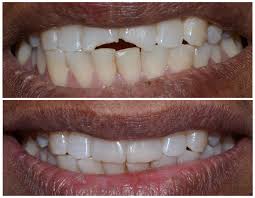
        For small chips or minor fractures that don’t affect the tooth’s inner structure, a simple and conservative approach is often best. Dental bonding is a common procedure for this type of broken tooth repair. In this process, your dentist applies a tooth-colored composite resin material to the damaged area. They then shape and mold it to match your natural tooth’s contours before hardening it with a special light. The result is a seamless repair that blends perfectly with your smile, often completed in just one visit. It’s an ideal, cost-effective solution for front teeth with cosmetic damage.

        Moderate Damage: Dental Crowns and Onlays

        When a significant portion of the tooth’s chewing surface is broken, but the roots remain healthy, a dental crown is the standard treatment. Think of a crown as a protective “cap” that fully encases the remaining tooth. This type of broken tooth repair involves reshaping the tooth to create a stable base, taking an impression, and then placing a custom-made crown. Crowns can be made from various materials, including durable porcelain-fused-to-metal, all-ceramic, or zirconia, which offer excellent strength and a natural look. For damage that is too extensive for a filling but not severe enough for a full crown, a partial crown, or onlay, might be used to restore just the broken cusps of the tooth.

        Advanced Solutions for Severe Fractures

        Some breaks are too severe for the treatments mentioned above. When the damage extends deep into the tooth, reaching the pulp chamber, more comprehensive care is required to save the tooth and alleviate pain.

        Root Canal Therapy Combined with a Crown

        If a break is deep enough to expose or infect the tooth’s nerve, a root canal becomes necessary before any restoration can be placed. During this procedure, the infected or inflamed pulp is carefully removed, the interior canals are cleaned and disinfected, and then sealed. Contrary to popular belief, a modern root canal is no more uncomfortable than getting a standard filling. Following a root canal, the tooth becomes brittle and requires protection, which is why it is almost always capped with a dental crown. This two-step process is a highly effective broken tooth repair strategy that allows you to keep your natural tooth for years to come.

        When Extraction and Replacement are Necessary

        Unfortunately, not every tooth can be saved. If a tooth is fractured vertically (split into separate pieces), severely below the gum line, or has insufficient healthy structure left to support a restoration, extraction may be the only option. However, removing the tooth is not the end of your smile. It is crucial to replace it to prevent neighboring teeth from shifting, which can cause bite problems and jaw issues. Excellent replacement options include dental implants, which act as an artificial root topped with a crown, or a fixed bridge. Your dentist will discuss the best tooth replacement plan for your oral health.

        Protecting Your Smile After Treatment

        Once your tooth has been restored, maintaining it is key. Practice excellent oral hygiene with gentle brushing and flossing around the restoration. Avoid using your teeth as tools to open packages or crack nuts. If you grind or clench your teeth at night, a custom nightguard from your dentist can protect both your natural teeth and any dental work from excessive force. Attend your regular check-ups and cleanings so your dentist can monitor the integrity of the repair.

        A broken tooth is a serious matter, but with today’s dental techniques, it doesn’t have to mean losing your smile. The most important action you can take is to seek professional care immediately. If you are facing a dental emergency or have questions about broken tooth repair, don’t hesitate to contact the experts. For compassionate and expert care, call Smiles of Elgin at 847-695-3368 or visit our website at smilesofelgin.com to schedule your urgent appointment. We are here to provide the timely, effective treatment you need to restore your smile’s health, function, and beauty.

        Recent Comments

          Archives

          Office Hours

          Monday 10:00 to 6:00
          Tuesday 10:00 to 6:00
          Wednesday 11:00 to 8:00
          Thursday 10:00 to 6:00
          Friday 10:00 to 6:00
          Saturday 8:00 to 3:00
          Sunday Appointment only
          Tooth Gems: Add Sparkle to Your Smile Safely and Stylishly

          Tooth Gems: Add Sparkle to Your Smile Safely and Stylishly

          Tooth Gems: Add Sparkle to Your Smile Safely and Stylishly

          Tooth Gems: Add Sparkle to Your Smile Safely and Stylishly

          If you’re looking to make your smile stand out, tooth gems are one of today’s most exciting cosmetic dental trends. These tiny jewels can add sparkle and personality to your teeth without invasive procedures or permanent changes. At Smiles of Elgin, our experienced dental team specializes in safe, professional applications of tooth gems that let you express your individuality while keeping your oral health in perfect condition.

          What Are Tooth Gems?

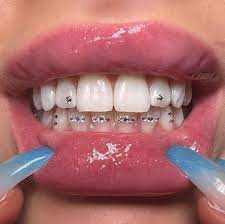
          Tooth gems are small decorative crystals, stones, or metallic pieces applied directly to the enamel surface of your teeth. They’re a temporary form of dental jewelry that enhances your smile’s appearance and allows for self-expression. Unlike older methods that involved drilling or adhesives that could damage enamel, modern applications are entirely non-invasive and reversible.

          These gems come in many styles and colors—from subtle clear crystals to bold designs featuring gold, diamonds, or colorful stones. Whether you want a single accent or a small design, tooth gems are customized to match your look and style.

          The Rising Popularity of Tooth Gems

          In recent years, tooth gems have become a fashion statement among celebrities, influencers, and anyone who wants to add flair to their smile. What was once considered an edgy trend in the 1990s has now evolved into a mainstream beauty accessory.

          Social media has fueled this resurgence, with millions of people showcasing their sparkly smiles online. But beyond aesthetics, what makes this trend so appealing is that it’s affordable, reversible, and professionally safe when done by a licensed dental professional.

          Benefits of Getting Tooth Gems

          There are several advantages to choosing a professional dental office for your gem application:

          • Non-invasive: No drilling or permanent changes to your teeth.
          • Quick procedure: Most appointments take less than 30 minutes.
          • Safe for enamel: Dental-grade bonding materials prevent damage.
          • Customizable: Choose from a wide range of gem colors, shapes, and sizes.
          • Temporary: Gems can be removed or replaced easily without harm.

          At Smiles of Elgin, we ensure every gem is applied with the utmost precision and care so you can enjoy a brilliant, confident smile without compromising oral health.

          How Tooth Gems Are Applied Professionally

          When applied by a trained dental professional, tooth gems are completely safe and long-lasting. Here’s how the process works:

          Step 1 – Cleaning and Preparation

          The tooth surface is thoroughly cleaned to remove any plaque or residue. This ensures a smooth, sterile area for bonding and better adhesion.

          Step 2 – Application of the Bonding Agent

          A small amount of dental adhesive is applied to the tooth, similar to the material used for orthodontic brackets.

          Step 3 – Placement of the Gem

          The chosen gem is carefully positioned on the tooth, then cured using a specialized dental light to harden the adhesive and secure it firmly in place.

          Step 4 – Final Check and Polishing

          Once the gem is set, the dentist ensures it’s smooth, properly aligned, and comfortable against your bite. The process is quick, painless, and requires no anesthesia.

          When done professionally, the gem can last several months to a year depending on your oral habits and care routine.

          Caring for Your Tooth Gems

          Proper care helps your gem stay in place and keeps your teeth healthy. Here are a few essential maintenance tips:

          • Brush gently around the gem to avoid loosening it.
          • Avoid biting hard foods directly on the gem.
          • Continue regular dental checkups and cleanings.
          • Skip at-home removal attempts—let a professional handle it safely.

          If you decide you no longer want the gem, a dentist can easily remove it using a quick, painless procedure that leaves your tooth smooth and intact.

          Are Tooth Gems Safe for Your Teeth?

          When applied correctly by a qualified dentist, tooth gems are safe and do not harm the enamel. The dental adhesive used is biocompatible and designed for temporary use. However, it’s important to avoid DIY kits or unlicensed applications, which can lead to:

          • Enamel erosion or damage
          • Tooth sensitivity
          • Improper bonding or gem detachment
          • Bacterial buildup under poorly applied gems

          At Smiles of Elgin, we use dental-grade materials and sterilized tools to ensure your comfort and safety. You’ll leave our office with a beautiful, sparkling smile that’s as healthy as it is stylish.

          How Long Do Tooth Gems Last?

          With proper care, a professionally applied gem can last anywhere from six months to a year—or even longer. The longevity depends on:

          • Your oral hygiene routine
          • The location of the gem
          • The type of bonding material used
          • Eating and chewing habits

          If you ever want to change your look, the gem can be removed and replaced at any time without harming your enamel. This flexibility makes tooth gems one of the most fun and low-risk cosmetic enhancements available today.

          Why Choose Smiles of Elgin for Tooth Gem Application?

          Choosing a licensed dental office for your gem application ensures both aesthetic beauty and dental safety. At Smiles of Elgin, our team is trained in precision cosmetic techniques that allow for seamless, secure placement without any damage to your teeth.

          We combine advanced dental technology with an artistic touch, giving each patient a customized sparkle that complements their personality. Whether you want a subtle shimmer or a statement piece, we help bring your vision to life safely and professionally.

          Ready to Shine? Schedule Your Tooth Gem Appointment Today!

          If you’re ready to elevate your smile with tooth gems, our dental experts are here to help you do it safely and beautifully. Contact Smiles of Elgin today at 847-695-3368 or visit smilesofelgin.com to book your appointment.

          Add sparkle, personality, and confidence to your smile with professional tooth gem application—because your smile deserves to shine as bright as you do.

          Recent Comments

            Archives

            Office Hours

            Monday 10:00 to 6:00
            Tuesday 10:00 to 6:00
            Wednesday 11:00 to 8:00
            Thursday 10:00 to 6:00
            Friday 10:00 to 6:00
            Saturday 8:00 to 3:00
            Sunday Appointment only
            Cracked Tooth Pain: Symptoms, Dangers, and How to Fix It

            Cracked Tooth Pain: Symptoms, Dangers, and How to Fix It

            Cracked Tooth Pain: Symptoms, Dangers, and How to Fix It

            Understanding and Treating Cracked Tooth Pain: Causes, Symptoms, and Solutions

            A cracked tooth can start as a minor issue but quickly turn into a source of significant discomfort. If you’re experiencing cracked tooth pain, understanding what’s happening and how to treat it can make all the difference in preserving your smile and oral health. At Smiles of Elgin, our experienced dental team specializes in diagnosing and repairing cracked teeth to relieve pain and prevent further complications.

            What Causes Cracked Tooth Pain?

            Cracked teeth can develop for several reasons, often related to everyday habits and natural wear. Some common causes include:

            • Biting hard objects: Chewing ice, hard candy, or unpopped popcorn kernels can cause fractures.
            • Bruxism (teeth grinding): Chronic grinding places stress on enamel, leading to cracks.
            • Trauma or injury: Sports accidents, falls, or car collisions may cause visible or internal tooth fractures.
            • Large fillings: Weakened teeth with large restorations are more prone to cracking.
            • Sudden temperature changes: Consuming something hot and then cold in quick succession can stress enamel.

            When a crack forms, it can extend into the inner layers of the tooth, exposing nerves and leading to cracked tooth pain that can range from mild sensitivity to severe, sharp discomfort.

            Signs and Symptoms of Cracked Tooth Pain

            Recognizing the symptoms early helps prevent extensive damage. Here are the most common signs that may indicate a cracked tooth:

            • Sharp pain when chewing or biting down
            • Sensitivity to hot, cold, or sweet foods
            • Intermittent pain that comes and goes
            • Discomfort around a particular tooth with no visible cavity
            • Swelling around the affected tooth

            Because cracks can be microscopic or hidden beneath the gum line, only a professional dental examination can confirm the diagnosis.

            Types of Tooth Cracks and Their Severity

            Not all cracks are the same, and understanding the type of fracture helps determine the best treatment.

            Hairline Cracks

            These small, surface-level fractures usually affect only the enamel. While they might not always cause pain, they can lead to sensitivity if left untreated.

            Fractured Cusp

            This occurs when a portion of the chewing surface breaks off, often around a filling. It may not always cause intense cracked tooth pain, but it does require attention to prevent further damage.

            Split Tooth

            A more serious condition, a split tooth happens when a crack runs from the surface down to the root. Treatment depends on the extent of damage—sometimes requiring extraction or root canal therapy.

            Vertical Root Fracture

            These cracks begin below the gum line and move upward, often showing minimal symptoms until infection sets in.

            Diagnosing Cracked Tooth Pain

            Because cracks can be difficult to detect with the naked eye, dentists use several diagnostic methods, including:

            • Visual examination: Using magnification and lighting to identify visible fractures.
            • Dental dye tests: Applying dye to highlight hidden cracks.
            • X-rays: While cracks might not always appear, X-rays can reveal related issues like nerve damage.
            • Bite tests: Having patients bite down on a dental instrument to locate the pain’s source.

            At Smiles of Elgin, we use advanced diagnostic technology to pinpoint even the smallest fractures and recommend the most effective solutions.

            Effective Treatments for Cracked Tooth Pain

            Treatment for a cracked tooth depends on the severity and location of the fracture. Early intervention can often save the tooth and prevent infection.

            Dental Bonding

            For small, surface-level cracks, bonding can restore the tooth’s appearance and function. A resin material is applied, shaped, and hardened to protect the enamel and alleviate discomfort.

            Dental Crowns

            When a larger portion of the tooth is compromised, a crown can provide strength and protection. Crowns cover the entire tooth, preventing the crack from spreading and reducing cracked tooth pain.

            Root Canal Therapy

            If a crack extends into the pulp (nerve tissue), root canal treatment removes the damaged nerve, seals the tooth, and eliminates infection risk. This is often necessary when pain becomes persistent or severe.

            Tooth Extraction and Replacement

            In cases where the crack extends below the gum line or splits the tooth completely, extraction may be the only solution. After removal, replacement options such as dental implants or bridges can restore both appearance and function.

            Preventing Future Cracks and Pain

            Once you’ve dealt with cracked tooth pain, prevention becomes a top priority. Here are some ways to protect your teeth going forward:

            • Avoid biting hard foods or objects.
            • Wear a mouthguard if you grind your teeth or play contact sports.
            • Don’t use your teeth as tools to open packages.
            • Maintain regular dental visits for checkups and cleanings.
            • Address minor dental issues before they escalate into cracks.

            With proper care and professional monitoring, most patients can avoid recurring fractures and maintain strong, healthy smiles.

            Why Choose Smiles of Elgin for Cracked Tooth Treatment?

            Our practice is committed to helping patients in Elgin and the surrounding communities find lasting relief from dental discomfort. We combine modern technology, gentle techniques, and personalized care to make your experience as comfortable as possible.

            From diagnosis to treatment and aftercare, our team ensures that your cracked tooth is repaired efficiently and effectively. If you’re experiencing pain or sensitivity, it’s important not to delay treatment—early action often prevents more complex dental issues.

            Contact Us Today for Relief from Cracked Tooth Pain

            Don’t let cracked tooth pain affect your daily life. The sooner you seek care, the better your chances of saving the tooth and relieving discomfort. Call 847-695-3368 or visit smilesofelgin.com to schedule an appointment today. Our compassionate team at Smiles of Elgin is here to help restore your comfort and confidence—one smile at a time.

            Recent Comments

              Archives

              Office Hours

              Monday 10:00 to 6:00
              Tuesday 10:00 to 6:00
              Wednesday 11:00 to 8:00
              Thursday 10:00 to 6:00
              Friday 10:00 to 6:00
              Saturday 8:00 to 3:00
              Sunday Appointment only