See Hours of Operation

How to Take Care of Your Dental Implants

How to Take Care of Your Dental Implants

dental implants care At the completion of any procedure, when a patient is released from the dental office, by his dentist, he will be given a list on instructions. These post-operative instructions are very essential, if you want to ensure the success of your treatment procedure. In the case dental implants, observance of these post-operative instructions will help the patient prolong the life span of his implant system and take care of his investment. Dental implants are not cheap; those who are able to spend money for such a procedure will have to cover a large sum to enjoy its amazing benefits. While the success of your dental implant placement procedure is dependent on a lot of things, such as the skill of your dentist, the diligent observation of superb infection control protocols and the health of the patient and the bone, its will also rely your own efforts. Just as everyone is encouraged to take active participation on taking care of their natural teeth, the same is true after the implant system is installed in the mouth. The following are some of the very important tips you can use:
  1. Do not subject your  dental implants to excessive force. This is most especially true when your implants have just been installed and not yet stable. Ideally, a fully stable implant will have integrated with the bone, giving it much strength and power to endure all kinds of forces. As a foreign material, you should still understand that implants will never compare to the natural tooth so always keep in mind that you have “screws” embedded within your jaw and especially during the 2-6 months of stabilization, do no direct any kind of force on the area.
  2. Report any untoward events observed along the area of the dental implants. Ideally, a properly performed dental implant placement procedure should meet great success; however, there could be some unforeseen issues that may bring some danger to the implant system. When this happens, you should not hesitate to see your dentist to show what is happening. Your chance of getting through with any problem shall increase when proper address is forwarded to it, so delaying reports to your dentist may give you bigger harm.
  3. Observe exemplary oral hygiene measures. Just as plaque can disrupt the health of your teeth and gums, it can also compromise the life of your dental implant system. Understand that your implants depend on the bone to remain in the mouth and when the bone becomes infected with disease, support will fail and the implants will lose its stability. Observing proper hygiene measures will be essential; it will ensure the health of the bone that holds the implant in place, and so help protect the investment that you made.
  4. Stop smoking. Smoking is an activity discouraged for a lot of reasons. A single stick of cigarette is ridden with harmful chemicals that can combine with the blood that circulates all over the body, disrupting the normal physiologic processes that occur. Smokers are contraindicated for dental implant placement procedures because the chemicals in cigarettes disrupt proper healing, so unless they are able to stop this worthless habit, they are bad candidates for the procedure. So, even if you passed for the procedure, make sure not to touch another stick of cigarette, if you want your implants to enjoy a longer lifespan in your mouth.

Recent Comments

    Archives

    Office Hours

    Monday 10:00 to 6:00
    Tuesday 10:00 to 6:00
    Wednesday 11:00 to 8:00
    Thursday 10:00 to 6:00
    Friday 10:00 to 6:00
    Saturday 8:00 to 3:00
    Sunday Appointment only

    Some Useful Facts About Orthodontics

    Some Useful Facts About Orthodontics

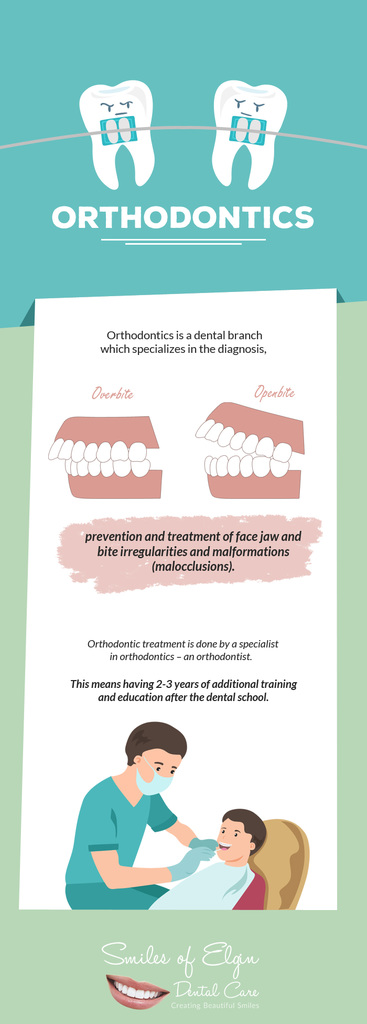
    Whether you’re thinking about getting braces or currently undergoing treatment, it is quite essential to know some useful facts about orthodontics. Orthodontic treatment isn’t just about wires, brackets and elastics. Here’s 3 Useful Facts About Orthodontics:
    1. Orthodontics is a dental branch that specializes in Overbite and Openbite.
    2. Orthodontics help prevent and treat jaw and bite irregularities and malformations, also called malocclusions.
    3. Orthodontic treatments are done by Orthodontists – a specialist in Orthodontics. To be an orthodontist means he or she has undergone 2-3 years of additional training and education after the dental school.
    facts about orthodontics

    Recent Comments

      Archives

      Office Hours

      Monday 10:00 to 6:00
      Tuesday 10:00 to 6:00
      Wednesday 11:00 to 8:00
      Thursday 10:00 to 6:00
      Friday 10:00 to 6:00
      Saturday 8:00 to 3:00
      Sunday Appointment only

      A Spotlight on Preventive Care

      A Spotlight on Preventive Care

      elgin When it comes to your oral health, professional teeth cleaning is a must. At Smiles of Elgin, we recommend that patients who normally don’t have any pressing dental concerns visit us every six months for professional cleanings and preventive care. This allows our dentists to detect cavities, gum disease, and other concerns that require follow-up treatment. Of course, our hygienists also clean and polish your teeth at this appointment to give you a healthy and beautiful smile.

      How to Maintain Good Oral Health at Home

      Oral health refers to the overall condition of your mouth, including your teeth, gums, and jaw. One of the most important things you can do to keep your entire mouth healthy is to eat a balanced diet. When you don’t put sugary foods and snacks into your mouth, you have less of an issue with a build-up of bacteria. The other essential thing you must do is brush and floss your teeth at least twice each day. Brushing removes plaque and bacteria from the surface of your teeth while flossing eliminates them from between your teeth. Try to brush each tooth in a circular pattern and spend about three minutes total on all of your teeth. Flossing works best when you make several back and forth motions between each tooth. Using antiseptic mouthwash after each brushing and flossing session helps to kill any remaining bacteria in your mouth.

      Take Advantage of Our Teeth Whitening Offers

      For a limited time, Smiles of Elgin is offering a free whitening after cleaning for new patients. At the conclusion of your preventive exam, we send you home with a professional teeth whitening kit so you can keep your teeth looking their best. We are also offering a discounted rate for in-office teeth whitening performed by one of our dentists. Our clinic regularly offers specials for new and existing patients, so be sure to visit the website often.

      Recent Comments

        Archives

        Office Hours

        Monday 10:00 to 6:00
        Tuesday 10:00 to 6:00
        Wednesday 11:00 to 8:00
        Thursday 10:00 to 6:00
        Friday 10:00 to 6:00
        Saturday 8:00 to 3:00
        Sunday Appointment only

        Evaluating Different Types of Dental Restorations

        Evaluating Different Types of Dental Restorations

        dental restorations People lose their natural teeth for many reasons, including accidental trauma, oral diseases, and significant tooth decay. Whether you’re missing a single tooth or all of your teeth, you’re probably anxious to replace missing teeth permanently. Not only is this more aesthetically pleasing, it’s also better for your long-term oral health. That is because existing teeth tend to shift towards open spots and cause problems with bite and alignment. Replacement teeth also restore your speaking and chewing ability in addition to preventing your face from sagging.

        Working with Our Dentists to Select the Right Type of Dental Restorations

        Once you have made the decision to restore your missing teeth, it can be difficult to know the types of dentures that are right for you. If you no longer have any of your natural teeth, you will need complete dentures to restore full mouth functioning and disguise the complete tooth loss. Partial dentures are appropriate when you still have some or most of your natural teeth. Denture types can be further classified into immediate and conventional. With immediate dentures, your dentist at Smiles of Elgin prepares your restoration in advance. This enables him to place the dentures right away after you have teeth extracted. You do need to return to have adjustments made to your dentures after your gum tissues have had more of a chance to heal. Your dentist can place conventional dentures four to six weeks after you lost your last tooth. He will provide you with a temporary restoration in the meantime. Dental implants are replacement teeth that remain in your mouth permanently. Your dentist first installs artificial roots made of titanium and then allows several weeks to months for healing to take place. You can wear removable dentures while your wait. Once the gums and jaw have healed and your new roots have integrated with existing jaw bone, it’s time for your dentist to attach your replacement teeth. Please schedule an appointment with Smiles of Elgin to learn more about the type of dental restoration that is right for you.

        Recent Comments

          Archives

          Office Hours

          Monday 10:00 to 6:00
          Tuesday 10:00 to 6:00
          Wednesday 11:00 to 8:00
          Thursday 10:00 to 6:00
          Friday 10:00 to 6:00
          Saturday 8:00 to 3:00
          Sunday Appointment only

          How Do You Avoid Gum Disease Permanently?

          How Do You Avoid Gum Disease Permanently?

            gum disease Gum disease happens when a sticky film of bacteria forms on the teeth due to poor oral hygiene, crowded teeth, or even hereditary. When the bacteria builds up over time, it creates plaque that sticks to the surface of your gums where the grooves of your teeth meet. At this stage, you may notice that your gums are red and swollen. This is actually your body’s way of defending against gum disease by creating new blood vessels. However, you must still address the problem before it gets worse.

          How Our Dentists Treat Gum Disease

          It is important to get your gum disease treated by a professional once diagnosed. The dentists at Smiles of Elgin use a process called scaling to remove the plaque deposits from your teeth. This is a firmer pressure than we use at your regular cleaning appointments. The next step is root planing, which means to eliminate gum pockets by flattening the surfaces around them. We may also refer to both procedures as a deep cleaning. Once you have had it done, you can do several things at home to prevent gum disease in the future. Getting bi-annual professional dental cleaning is also an important part of gum disease prevention.

          Stop Gum Disease with Thorough Teeth Brushing

          Start by buying a toothbrush with a small brush head since this makes it easier to get to hard-to-reach tooth surfaces. Placing the toothbrush at a 45-degree angle, bring it to where the tooth and gums meet for each tooth. It’s important to clean this area thoroughly since this is where gum disease tends to form. You should avoid scrubbing and instead use short back and forth motions. It’s also important to floss since the bristles of the toothbrush don’t get between your teeth very well. If you find this type of cleaning difficult, consider investing in an electric toothbrush. It will make the back and forth vibrating motions for you.

          Recent Comments

            Archives

            Office Hours

            Monday 10:00 to 6:00
            Tuesday 10:00 to 6:00
            Wednesday 11:00 to 8:00
            Thursday 10:00 to 6:00
            Friday 10:00 to 6:00
            Saturday 8:00 to 3:00
            Sunday Appointment only

            The proper way to take care of your dental implants

            The proper way to take care of your dental implants

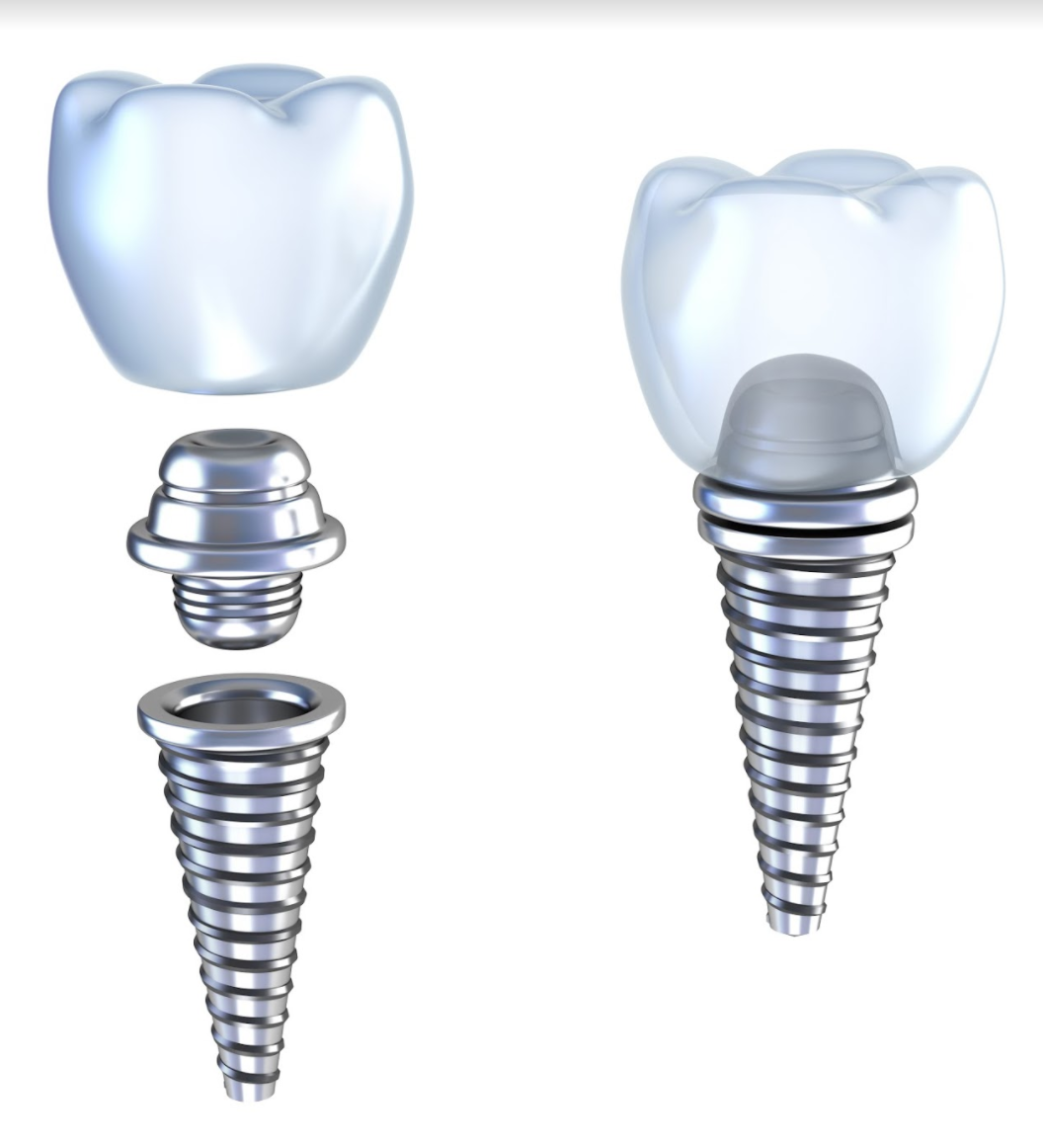
            Dental implants work and functions like natural teeth. However, as time passes by, crowns that are placed on top of the teeth become fragile due to many factors and thus, the infection may penetrate the gums and surrounding teeth. Filling your missing teeth with dental implants is a life-long commitment. It can only last for a long time along with proper dental hygiene. Normally, implants may last as long as 25 years if it is properly taken care of. Although dental implants can’t acquire cavities, they still require regular dental care. To keep your gums and teeth alongside your implant from getting infected, they should be taken care of like your other teeth. They need to brushed and flossed at least twice a day. Also, refrain from smoking to prevent crown from staining and develop gum disease. If oral hygiene is not properly taken care of, infection may start to spread along your mouth. This type of infection is referred to as Peri-implantitis. This infection may cause an inflammation of the surrounding gum tissues and if not treated immediately, will result in a possible bone loss. Most implant patients are not aware that they already have this since Peri-implantitis advances in a painless fashion. But once it has begun to develop, you may already feel the symptoms. To treat this disease, one may undergo surgery and bone grafting.

            Observe Good Oral Hygiene Practices

            After your dental implant procedure, you might observe that the area will be sensitive to brush. Your dentist may have to recommend using an anti-bacterial mouthwash to prevent plaque and cavity buildup. Once the crown has been attached to the implant post, you can start to brush your tooth regularly. Since the space between teeth can’t be accessed by a regular toothbrush, you can use an interdental brush to brush the surrounding areas of your teeth. Your dentist may also recommend you to use an antibacterial toothpaste which can help your implant stay healthy.

            Recent Comments

              Archives

              Office Hours

              Monday 10:00 to 6:00
              Tuesday 10:00 to 6:00
              Wednesday 11:00 to 8:00
              Thursday 10:00 to 6:00
              Friday 10:00 to 6:00
              Saturday 8:00 to 3:00
              Sunday Appointment only