
What Are Crowns for Teeth? Purpose, Types, and Dental Benefits

What Are Crowns for Teeth? Purpose, Types, and Dental Benefits

What Are Crowns for Teeth? Purpose, Types, and Dental Benefits

What Are Crowns for Teeth? A Complete Patient Guide

If you’ve ever wondered what are crowns for teeth, you’re not alone. Dental crowns are one of the most common restorative dental treatments used to protect damaged teeth, restore function, and improve appearance. This article explains everything patients need to know in clear, simple language.

Dental crowns are widely used in modern dentistry because they offer long-lasting protection while maintaining a natural look. Whether a tooth is cracked, weakened, or cosmetically flawed, a crown can help restore your smile and oral health.

What Are Crowns for Teeth and Why Are They Used?

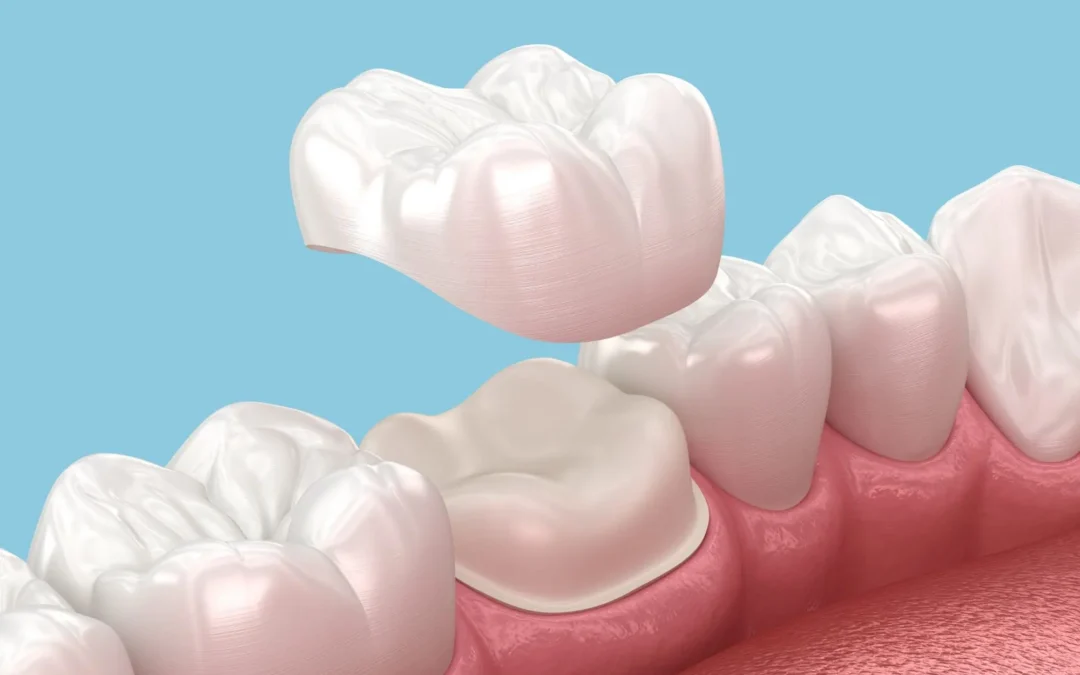
Dental crowns are custom-made caps that fully cover a tooth. They are designed to restore the tooth’s shape, size, strength, and appearance while protecting it from further damage.

Crowns are commonly recommended when a tooth is too damaged for a filling but not damaged enough to require extraction. They provide full coverage and reinforcement, making them a reliable solution for both functional and cosmetic dental issues.

What Are Crowns for Teeth Made Of?

Dental crowns are available in several materials, each chosen based on durability, appearance, and tooth location. Your dentist will recommend the best option based on your individual needs.

Common Dental Crown Materials

Porcelain or ceramic crowns are popular for front teeth because they closely match natural enamel. Porcelain-fused-to-metal crowns combine strength with aesthetics and are often used for back teeth.

Zirconia crowns are extremely durable and suitable for both front and back teeth. Gold and metal alloy crowns are less common but highly durable and gentle on surrounding teeth.

What Are Crowns for Teeth Used to Fix?

Dental crowns are versatile and can be used to restore a wide range of dental problems. They protect weakened teeth and help maintain proper bite alignment.

Crowns are commonly used to cover teeth with large cavities, restore cracked or broken teeth, protect teeth after root canal treatment, support dental bridges, and improve the appearance of misshapen or discolored teeth.

How Does the Dental Crown Procedure Work?

The dental crown procedure is typically completed over two visits. During the first visit, the dentist examines and prepares the tooth by removing damaged areas and reshaping it to fit the crown.

Impressions or digital scans are taken to create a custom crown. A temporary crown is placed to protect the tooth until the permanent crown is ready. During the second visit, the final crown is cemented and adjusted for comfort.

What Are Crowns for Teeth Compared to Fillings?

Fillings repair small areas of decay, while crowns are used when a tooth is structurally compromised. If a filling cannot provide sufficient strength, a crown becomes the safer and longer-lasting option.

Choosing a crown instead of a large filling can prevent future fractures and reduce the risk of tooth loss.

How Long Do Dental Crowns Last?

With proper care, dental crowns can last between 10 and 15 years or longer. Their lifespan depends on oral hygiene habits, bite pressure, and the material used.

Brushing, flossing, avoiding hard foods, and attending regular dental checkups can help extend the life of a crown.

Are Dental Crowns Painful?

Most patients experience little to no pain during the crown procedure. Local anesthesia is used to keep the treatment comfortable.

Some mild sensitivity may occur after placement, but this usually fades within a few days. Persistent discomfort should be evaluated by a dentist.

When Should You Consider a Dental Crown?

You may need a dental crown if you have a cracked tooth, severe tooth decay, recurring filling failures, or a tooth that has undergone root canal treatment.

Crowns are also an excellent option for patients seeking cosmetic improvements while maintaining natural tooth function.

Final Thoughts on Dental Crowns

Understanding what are crowns for teeth helps patients make informed decisions about their oral health. Crowns provide strength, protection, and a natural appearance that supports long-term dental wellness.

For more information or to schedule a consultation, contact Smiles of Elgin at 847-695-3368 or visit https://smilesofelgin.com.

Recent Comments

    Archives

    Office Hours

    Monday 10:00 to 6:00
    Tuesday 10:00 to 6:00
    Wednesday 11:00 to 8:00
    Thursday 10:00 to 6:00
    Friday 10:00 to 6:00
    Saturday 8:00 to 3:00
    Sunday Appointment only
    Dental Bridge Work Cost: A Complete 2026 Price Guide

    Dental Bridge Work Cost: A Complete 2026 Price Guide

    Dental Bridge Work Cost: A Complete 2026 Price Guide

    Understanding Your Investment: A Breakdown of Dental Bridge Work Cost

    The decision to replace a missing tooth is a significant investment in your oral health, function, and confidence. A dental bridge is a time-tested and reliable solution, offering a fixed, natural-looking replacement that can restore your smile and bite. As you explore this option, one of the primary considerations is the dental bridge work cost. This figure isn’t arbitrary; it reflects the customization, materials, and professional expertise required for a successful, long-lasting restoration. This guide will provide a transparent look at the factors that influence the overall price, helping you understand the value behind your investment and make an informed decision about your oral health.

    Key Factors That Determine Your Dental Bridge Work Cost

    The total expense for a bridge is not a single flat rate. It is a composite of several variables that are unique to your specific clinical situation and choices. Understanding these components is the first step in demystifying the dental bridge work cost you receive from your dentist.

    The Complexity of the Treatment Plan

    The most significant variable is the scope of work required. A basic three-unit bridge replacing one tooth is a different proposition than a longer span bridge or one that requires additional preparatory work. For instance, if the supporting teeth (abutments) have decay or old fillings, they may need build-up or core restorations first. If gum disease is present, it must be treated prior to any restorative work. The health of your abutment teeth and underlying bone directly impacts the complexity and, consequently, the overall treatment plan and its associated costs.

    Material Selection: Balancing Aesthetics and Durability

    The material you choose for the pontic (false tooth) and crowns significantly affects the price. There are several common options:

    Porcelain-Fused-to-Metal (PFM): A strong, proven, and often mid-range cost option. It has a metal substructure for strength covered by tooth-colored porcelain.

    All-Ceramic or All-Porcelain: These bridges offer the most natural translucency and color matching, making them an excellent choice for front teeth. High-quality ceramics like zirconia are also incredibly strong and suitable for back teeth, often at a higher price point than PFM.

    Gold Alloys: While less common for visible areas today, gold is exceptionally durable and gentle on opposing teeth. Its cost is tied to the precious metal market.

    Your dentist will help you weigh the benefits of each material for your specific bite and aesthetic goals.

    The Type of Bridge and Laboratory Fees

    Not all bridges are the same. A traditional fixed bridge, which requires preparing the adjacent teeth, is the most common type. However, if the adjacent teeth are perfectly healthy, a dentist might recommend a Maryland (resin-bonded) bridge or a cantilever bridge, each with different laboratory and placement protocols. Furthermore, the dental laboratory’s skill and the quality of materials they use are factored into the fee. A bridge is a custom-crafted medical device, and the laboratory’s artistry in shaping and coloring the restoration is a crucial part of the process.

    What Is Typically Included in the Quoted Dental Bridge Work Cost?

    A comprehensive quote should provide a clear breakdown. Typically, the total dental bridge work cost encompasses:

    Initial Consultations & Diagnostics: This includes examinations, X-rays, and sometimes 3D scans or digital impressions needed for precise planning.

    Preparatory Procedures: Any necessary treatments on the abutment teeth, such as fillings or root canals, are usually separate line items.

    The Bridge Fabrication: This covers the costs of the impressions, the dental laboratory fees, and the materials for the bridge itself.

    Placement Visits: The fees for preparing the teeth, placing temporary bridges, and the final cementation of the permanent bridge.

    Follow-Up Care: A post-placement check to ensure proper fit and comfort is often included.

    Evaluating the Long-Term Value of a Dental Bridge

    When considering the dental bridge work cost, it’s vital to look beyond the initial price tag and consider the long-term value. A well-made and properly cared-for bridge can last 10-15 years or more. This investment prevents the numerous problems associated with tooth loss, including:

    Shifting of Adjacent Teeth: Which can lead to bite issues and further tooth loss.

    Bone Loss: In the area of the missing tooth, which can alter facial structure.

    Difficulty Chewing: Which can impact nutrition and digestion.

    Strain on Remaining Teeth: Leading to excessive wear or damage.

    Compared to the ongoing costs of dealing with these complications, a bridge is a proactive investment in your long-term oral health and quality of life.

    Making Your Treatment Affordable: Exploring Financial Options

    At Smiles of Elgin, we believe financial concerns should not be a barrier to receiving essential dental care. We are committed to working with you to find a workable solution.

    Dental Insurance: Most dental insurance plans offer coverage for bridgework, typically paying a percentage (often 50%) of the cost after your deductible is met. Our administrative team will gladly help you verify your benefits and understand your out-of-pocket responsibility.

    Flexible Financing: We offer third-party financing options through trusted healthcare credit companies. These plans often feature low or no-interest payment plans, allowing you to spread the dental bridge work cost over time with manageable monthly payments.

    In-House Payment Plans: For some patients, we can arrange a structured payment schedule directly with our office.

    HSAs and FSAs: Payments using Health Savings Accounts or Flexible Spending Accounts are accepted, allowing you to use pre-tax dollars for your treatment.

    Replacing a missing tooth with a dental bridge is an investment that pays dividends in your health, function, and self-esteem. While the upfront dental bridge work cost is an important consideration, the true value lies in restoring your complete smile and preventing future dental problems.

    If you are considering a dental bridge and have questions about the process or the associated investment, we invite you to schedule a consultation. At Smiles of Elgin, we provide personalized, detailed treatment plans with transparent pricing. Our team will take the time to answer all your questions and explore all financial options with you. To begin your journey to a restored smile, contact us today at 847-695-3368 or visit our website at Smiles of Elgin. Let us help you make a confident, informed decision about your oral health.

    Recent Comments

      Archives

      Office Hours

      Monday 10:00 to 6:00
      Tuesday 10:00 to 6:00
      Wednesday 11:00 to 8:00
      Thursday 10:00 to 6:00
      Friday 10:00 to 6:00
      Saturday 8:00 to 3:00
      Sunday Appointment only
      Tooth Broken Pain: Emergency Relief and Treatment Guide

      Tooth Broken Pain: Emergency Relief and Treatment Guide

      Tooth Broken Pain: Emergency Relief and Treatment Guide

      Coping with Tooth Broken Pain: A Guide to Immediate Relief and Repair

      The sudden, sharp sensation of a broken tooth is an experience that immediately commands your attention. Whether from an accident, biting on something hard, or due to underlying decay, the resulting tooth broken pain can range from a mild annoyance to severe, throbbing agony. This pain is your body’s urgent signal that the protective outer layers of your tooth have been compromised, exposing sensitive inner structures. Understanding how to manage this discomfort and the critical steps to take next is essential for preserving your tooth and restoring your comfort.

      Why a Broken Tooth Causes Immediate and Severe Pain

      To appreciate the intensity of tooth broken pain, it helps to understand the tooth’s anatomy. Beneath the hard, white enamel and the supportive dentin layer lies the pulp chamber. This inner sanctum houses the tooth’s nerve, blood vessels, and connective tissue. A break that exposes the dentin or the pulp itself creates a direct pathway for stimuli—like air, temperature changes, and pressure—to reach the nerve. This exposure is the primary source of that sharp, often shocking, pain. Furthermore, the fracture can cause inflammation and pressure within the tooth, leading to a persistent, dull ache that can radiate to your jaw or ear.

      The Direct Link Between Fracture Depth and Pain Level

      The severity and character of your pain are direct clues to the extent of the damage. A minor chip that only affects the enamel may cause little to no discomfort but might feel rough to the tongue. However, a deeper fracture that reaches the dentin typically causes noticeable sensitivity, especially to sweet, hot, or cold foods and drinks. The most severe tooth broken pain occurs when the fracture exposes the pulp. This often results in constant, throbbing, or spontaneous pain that may worsen when lying down, as blood flow to the head increases. Ignoring this level of pain can lead to infection and abscess formation.

      Immediate First Aid to Manage Tooth Broken Pain at Home

      While professional dental care is non-negotiable for a broken tooth, there are several immediate steps you can take to manage the pain and protect the area before your appointment. Acting quickly can prevent further damage and make you more comfortable.

      Steps to Reduce Sensitivity and Protect the Tooth

      First, gently rinse your mouth with warm salt water to clean the area and reduce the risk of infection. If there is bleeding, apply light pressure with a piece of sterile gauze. To cover any sharp or jagged edges that could cut your tongue or cheek, use dental wax (available at most pharmacies) or a small piece of sugarless chewing gum. This simple step can provide significant relief from incidental irritation. Adjust your diet immediately: avoid chewing on the affected side and stick to soft, lukewarm foods and beverages. Extreme temperatures and hard textures will likely trigger intense pain.

      Safe and Effective Pain Management Before Your Appointment

      Over-the-counter pain relievers can be very effective. Non-steroidal anti-inflammatory drugs (NSAIDs) like ibuprofen are often recommended because they address both pain and inflammation. Always follow the dosage instructions on the label. Applying a cold compress or an ice pack wrapped in a cloth to the outside of your cheek for 15-minute intervals can also help numb the area and reduce swelling. Avoid placing any painkillers, like aspirin, directly against the gum or tooth, as this can cause chemical burns to the soft tissue.

      The Critical Importance of Prompt Professional Treatment

      Home care is a temporary measure. A broken tooth cannot heal itself, and delaying treatment will almost certainly lead to more pain, more complex procedures, and a higher cost. The exposed nerve is vulnerable to bacteria from your mouth, which can cause a painful infection or abscess in the root and jawbone. Furthermore, what might start as a simple crack can propagate with chewing pressure, leading to a complete split that makes saving the tooth impossible.

      How Your Dentist Will Diagnose and Resolve the Pain

      Your dentist will perform a thorough examination, which will likely include X-rays to see the extent of the fracture below the gum line. The treatment plan is entirely dependent on how deep the break goes. For minor chips, dental bonding or a veneer can quickly restore appearance and function. For moderate breaks, a dental crown will be used to cap and protect the remaining tooth structure. If the pulp is exposed or infected (indicated by severe, lingering tooth broken pain, a root canal treatment will be necessary to remove the damaged nerve before placing a crown. In the most severe cases where the tooth is split vertically or far below the gumline, extraction may be the only option, followed by discussions about replacement with an implant or bridge.

      Preventing Future Incidents and Protecting Your Smile

      Once your immediate

      A broken tooth is a distressing event, but with the right knowledge and prompt action, you can navigate the situation effectively. The pain is a clear call to action—one that should lead you straight to expert care.

      If you are suffering from the intense discomfort of a broken tooth, don’t endure the pain. The team at Smiles of Elgin is here to provide urgent, compassionate, and effective care. We offer same-day emergency appointments to diagnose the cause of your pain and provide the treatment needed to relieve it. Contact us immediately at 847-695-3368 or visit Smiles of Elgin for more information. Let us help you move from pain to relief and restore your healthy smile.

      Recent Comments

        Archives

        Office Hours

        Monday 10:00 to 6:00
        Tuesday 10:00 to 6:00
        Wednesday 11:00 to 8:00
        Thursday 10:00 to 6:00
        Friday 10:00 to 6:00
        Saturday 8:00 to 3:00
        Sunday Appointment only
        add_filter('wp_nav_menu_items', 'do_shortcode');