What Are Crowns for Teeth? Purpose, Types, and Dental Benefits

What Are Crowns for Teeth? Purpose, Types, and Dental Benefits

What Are Crowns for Teeth? Purpose, Types, and Dental Benefits

What Are Crowns for Teeth? A Complete Patient Guide

If you’ve ever wondered what are crowns for teeth, you’re not alone. Dental crowns are one of the most common restorative dental treatments used to protect damaged teeth, restore function, and improve appearance. This article explains everything patients need to know in clear, simple language.

Dental crowns are widely used in modern dentistry because they offer long-lasting protection while maintaining a natural look. Whether a tooth is cracked, weakened, or cosmetically flawed, a crown can help restore your smile and oral health.

What Are Crowns for Teeth and Why Are They Used?

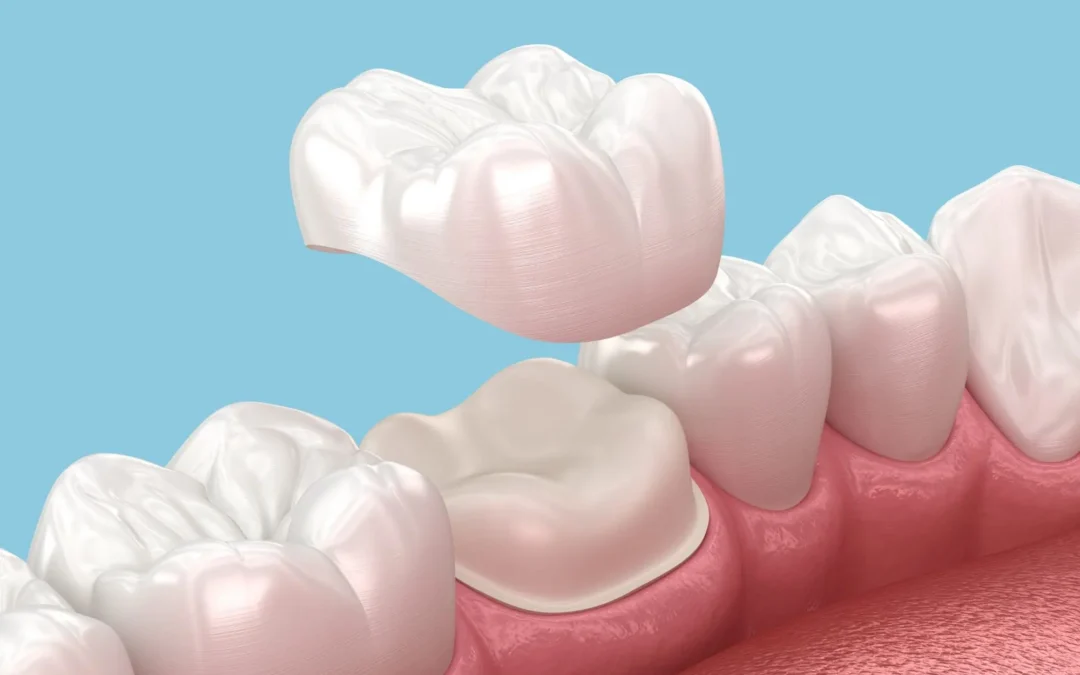
Dental crowns are custom-made caps that fully cover a tooth. They are designed to restore the tooth’s shape, size, strength, and appearance while protecting it from further damage.

Crowns are commonly recommended when a tooth is too damaged for a filling but not damaged enough to require extraction. They provide full coverage and reinforcement, making them a reliable solution for both functional and cosmetic dental issues.

What Are Crowns for Teeth Made Of?

Dental crowns are available in several materials, each chosen based on durability, appearance, and tooth location. Your dentist will recommend the best option based on your individual needs.

Common Dental Crown Materials

Porcelain or ceramic crowns are popular for front teeth because they closely match natural enamel. Porcelain-fused-to-metal crowns combine strength with aesthetics and are often used for back teeth.

Zirconia crowns are extremely durable and suitable for both front and back teeth. Gold and metal alloy crowns are less common but highly durable and gentle on surrounding teeth.

What Are Crowns for Teeth Used to Fix?

Dental crowns are versatile and can be used to restore a wide range of dental problems. They protect weakened teeth and help maintain proper bite alignment.

Crowns are commonly used to cover teeth with large cavities, restore cracked or broken teeth, protect teeth after root canal treatment, support dental bridges, and improve the appearance of misshapen or discolored teeth.

How Does the Dental Crown Procedure Work?

The dental crown procedure is typically completed over two visits. During the first visit, the dentist examines and prepares the tooth by removing damaged areas and reshaping it to fit the crown.

Impressions or digital scans are taken to create a custom crown. A temporary crown is placed to protect the tooth until the permanent crown is ready. During the second visit, the final crown is cemented and adjusted for comfort.

What Are Crowns for Teeth Compared to Fillings?

Fillings repair small areas of decay, while crowns are used when a tooth is structurally compromised. If a filling cannot provide sufficient strength, a crown becomes the safer and longer-lasting option.

Choosing a crown instead of a large filling can prevent future fractures and reduce the risk of tooth loss.

How Long Do Dental Crowns Last?

With proper care, dental crowns can last between 10 and 15 years or longer. Their lifespan depends on oral hygiene habits, bite pressure, and the material used.

Brushing, flossing, avoiding hard foods, and attending regular dental checkups can help extend the life of a crown.

Are Dental Crowns Painful?

Most patients experience little to no pain during the crown procedure. Local anesthesia is used to keep the treatment comfortable.

Some mild sensitivity may occur after placement, but this usually fades within a few days. Persistent discomfort should be evaluated by a dentist.

When Should You Consider a Dental Crown?

You may need a dental crown if you have a cracked tooth, severe tooth decay, recurring filling failures, or a tooth that has undergone root canal treatment.

Crowns are also an excellent option for patients seeking cosmetic improvements while maintaining natural tooth function.

Final Thoughts on Dental Crowns

Understanding what are crowns for teeth helps patients make informed decisions about their oral health. Crowns provide strength, protection, and a natural appearance that supports long-term dental wellness.

For more information or to schedule a consultation, contact Smiles of Elgin at 847-695-3368 or visit https://smilesofelgin.com.

Recent Comments

    Archives

    Office Hours

    Monday 10:00 to 6:00
    Tuesday 10:00 to 6:00
    Wednesday 11:00 to 8:00
    Thursday 10:00 to 6:00
    Friday 10:00 to 6:00
    Saturday 8:00 to 3:00
    Sunday Appointment only
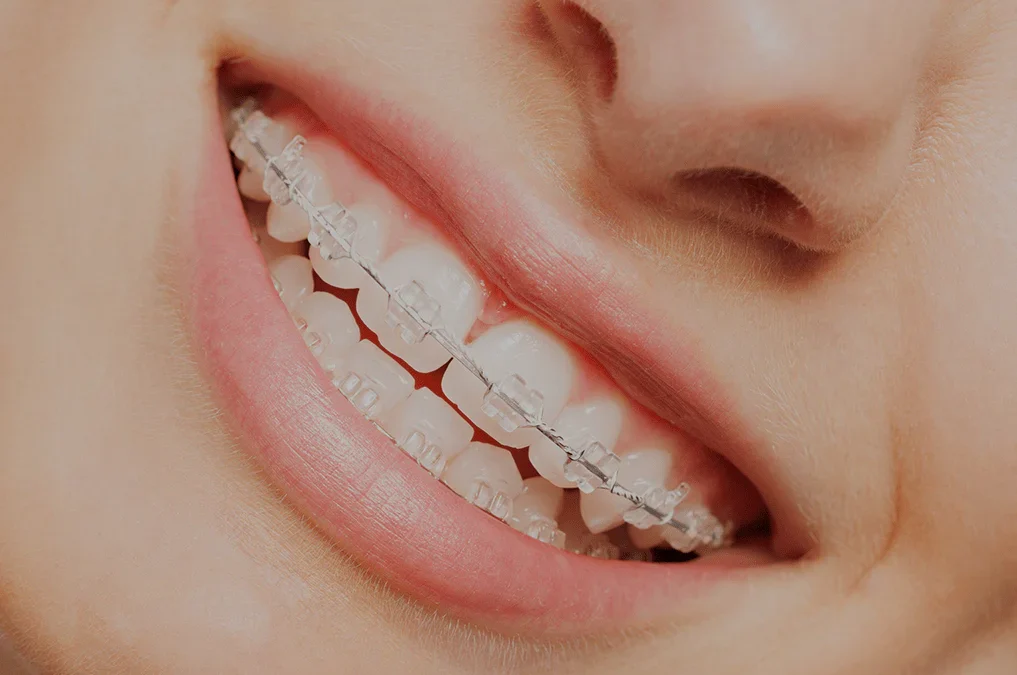
    Ceramic Braces Cost: Average Price, Pros & Cons Explained

    Ceramic Braces Cost: Average Price, Pros & Cons Explained

    Ceramic Braces Cost: Average Price, Pros & Cons Explained

    Ceramic Braces Cost: A Complete Guide for Patients Considering Treatment

    Choosing orthodontic care is an important step toward a healthier, more confident smile. Many patients want a discreet solution and often ask about ceramic braces cost before starting treatment. In this guide, we explain pricing factors, benefits, and what to expect so you can make a well-informed decision.

    Ceramic braces are popular because they straighten teeth effectively while remaining less noticeable than traditional metal braces. Understanding how pricing works helps you plan your treatment with confidence.

    Ceramic Braces Cost: What Determines the Final Price?

    The total ceramic braces cost can vary from patient to patient. Several factors influence the final amount, including treatment needs and duration.

    Pricing is commonly affected by the severity of alignment issues, estimated treatment length, orthodontic materials used, follow-up visits, and geographic location. Because ceramic brackets require specialized materials and careful placement, they are typically priced higher than metal braces.

    Comparing Ceramic Braces Cost With Other Orthodontic Treatments

    When considering ceramic braces cost, it’s helpful to compare them with other orthodontic options available today.

    Traditional Metal Braces

    Metal braces are usually the most affordable option. However, they are highly visible and less appealing for patients seeking a discreet appearance.

    Clear Aligners

    Clear aligners are removable and nearly invisible, but they may not be suitable for complex orthodontic cases. In some situations, their total cost can be similar to or higher than ceramic braces.

    Lingual Braces

    Lingual braces are placed behind the teeth and offer complete discretion. However, they are often the most expensive option due to customization and technical complexity.

    Ceramic braces offer an excellent balance between appearance, effectiveness, and long-term value.

    Why Ceramic Braces Cost Reflects Their Benefits

    The ceramic braces cost reflects the quality, aesthetics, and performance they provide. These braces use tooth-colored brackets that blend naturally with your smile, making them a preferred choice for teens and adults.

    Key benefits include a less noticeable appearance, reliable tooth movement, effectiveness for moderate to complex cases, and suitability for professional and social lifestyles.

    With proper care and good oral hygiene, ceramic braces deliver excellent and lasting results.

    Ceramic Braces Cost for Adults Seeking Discreet Treatment

    Many adults specifically ask about ceramic braces cost because they want effective orthodontic treatment without drawing attention. Ceramic braces allow adults to maintain confidence throughout the treatment process.

    This option is ideal for adults who want subtle orthodontic correction, a professional appearance during treatment, and predictable long-term results.

    Payment Options That Make Ceramic Braces Cost More Manageable

    Understanding ceramic braces cost also includes knowing your payment options. We provide flexible solutions to make orthodontic care accessible for individuals and families.

    Payment options may include monthly payment plans, orthodontic insurance benefits, flexible financing programs, and family discounts. Our goal is to make high-quality orthodontic care affordable without compromising results.

    Schedule a Consultation to Discuss Ceramic Braces Cost

    The best way to determine your exact ceramic braces cost is through a personalized consultation. Every smile is unique, and treatment plans should reflect your specific orthodontic needs and goals.

    At Smiles of Elgin, we provide expert orthodontic care focused on comfort, aesthetics, and long-term oral health.

    For more information or to schedule your consultation, visit https://www.smilesofelgin.com or call 847-695-3368. Our team is ready to help you achieve a confident, beautifully aligned smile.

    Recent Comments

      Archives

      Office Hours

      Monday 10:00 to 6:00
      Tuesday 10:00 to 6:00
      Wednesday 11:00 to 8:00
      Thursday 10:00 to 6:00
      Friday 10:00 to 6:00
      Saturday 8:00 to 3:00
      Sunday Appointment only
      Dental Bridge Work Cost: A Complete 2026 Price Guide

      Dental Bridge Work Cost: A Complete 2026 Price Guide

      Dental Bridge Work Cost: A Complete 2026 Price Guide

      Understanding Your Investment: A Breakdown of Dental Bridge Work Cost

      The decision to replace a missing tooth is a significant investment in your oral health, function, and confidence. A dental bridge is a time-tested and reliable solution, offering a fixed, natural-looking replacement that can restore your smile and bite. As you explore this option, one of the primary considerations is the dental bridge work cost. This figure isn’t arbitrary; it reflects the customization, materials, and professional expertise required for a successful, long-lasting restoration. This guide will provide a transparent look at the factors that influence the overall price, helping you understand the value behind your investment and make an informed decision about your oral health.

      Key Factors That Determine Your Dental Bridge Work Cost

      The total expense for a bridge is not a single flat rate. It is a composite of several variables that are unique to your specific clinical situation and choices. Understanding these components is the first step in demystifying the dental bridge work cost you receive from your dentist.

      The Complexity of the Treatment Plan

      The most significant variable is the scope of work required. A basic three-unit bridge replacing one tooth is a different proposition than a longer span bridge or one that requires additional preparatory work. For instance, if the supporting teeth (abutments) have decay or old fillings, they may need build-up or core restorations first. If gum disease is present, it must be treated prior to any restorative work. The health of your abutment teeth and underlying bone directly impacts the complexity and, consequently, the overall treatment plan and its associated costs.

      Material Selection: Balancing Aesthetics and Durability

      The material you choose for the pontic (false tooth) and crowns significantly affects the price. There are several common options:

      Porcelain-Fused-to-Metal (PFM): A strong, proven, and often mid-range cost option. It has a metal substructure for strength covered by tooth-colored porcelain.

      All-Ceramic or All-Porcelain: These bridges offer the most natural translucency and color matching, making them an excellent choice for front teeth. High-quality ceramics like zirconia are also incredibly strong and suitable for back teeth, often at a higher price point than PFM.

      Gold Alloys: While less common for visible areas today, gold is exceptionally durable and gentle on opposing teeth. Its cost is tied to the precious metal market.

      Your dentist will help you weigh the benefits of each material for your specific bite and aesthetic goals.

      The Type of Bridge and Laboratory Fees

      Not all bridges are the same. A traditional fixed bridge, which requires preparing the adjacent teeth, is the most common type. However, if the adjacent teeth are perfectly healthy, a dentist might recommend a Maryland (resin-bonded) bridge or a cantilever bridge, each with different laboratory and placement protocols. Furthermore, the dental laboratory’s skill and the quality of materials they use are factored into the fee. A bridge is a custom-crafted medical device, and the laboratory’s artistry in shaping and coloring the restoration is a crucial part of the process.

      What Is Typically Included in the Quoted Dental Bridge Work Cost?

      A comprehensive quote should provide a clear breakdown. Typically, the total dental bridge work cost encompasses:

      Initial Consultations & Diagnostics: This includes examinations, X-rays, and sometimes 3D scans or digital impressions needed for precise planning.

      Preparatory Procedures: Any necessary treatments on the abutment teeth, such as fillings or root canals, are usually separate line items.

      The Bridge Fabrication: This covers the costs of the impressions, the dental laboratory fees, and the materials for the bridge itself.

      Placement Visits: The fees for preparing the teeth, placing temporary bridges, and the final cementation of the permanent bridge.

      Follow-Up Care: A post-placement check to ensure proper fit and comfort is often included.

      Evaluating the Long-Term Value of a Dental Bridge

      When considering the dental bridge work cost, it’s vital to look beyond the initial price tag and consider the long-term value. A well-made and properly cared-for bridge can last 10-15 years or more. This investment prevents the numerous problems associated with tooth loss, including:

      Shifting of Adjacent Teeth: Which can lead to bite issues and further tooth loss.

      Bone Loss: In the area of the missing tooth, which can alter facial structure.

      Difficulty Chewing: Which can impact nutrition and digestion.

      Strain on Remaining Teeth: Leading to excessive wear or damage.

      Compared to the ongoing costs of dealing with these complications, a bridge is a proactive investment in your long-term oral health and quality of life.

      Making Your Treatment Affordable: Exploring Financial Options

      At Smiles of Elgin, we believe financial concerns should not be a barrier to receiving essential dental care. We are committed to working with you to find a workable solution.

      Dental Insurance: Most dental insurance plans offer coverage for bridgework, typically paying a percentage (often 50%) of the cost after your deductible is met. Our administrative team will gladly help you verify your benefits and understand your out-of-pocket responsibility.

      Flexible Financing: We offer third-party financing options through trusted healthcare credit companies. These plans often feature low or no-interest payment plans, allowing you to spread the dental bridge work cost over time with manageable monthly payments.

      In-House Payment Plans: For some patients, we can arrange a structured payment schedule directly with our office.

      HSAs and FSAs: Payments using Health Savings Accounts or Flexible Spending Accounts are accepted, allowing you to use pre-tax dollars for your treatment.

      Replacing a missing tooth with a dental bridge is an investment that pays dividends in your health, function, and self-esteem. While the upfront dental bridge work cost is an important consideration, the true value lies in restoring your complete smile and preventing future dental problems.

      If you are considering a dental bridge and have questions about the process or the associated investment, we invite you to schedule a consultation. At Smiles of Elgin, we provide personalized, detailed treatment plans with transparent pricing. Our team will take the time to answer all your questions and explore all financial options with you. To begin your journey to a restored smile, contact us today at 847-695-3368 or visit our website at Smiles of Elgin. Let us help you make a confident, informed decision about your oral health.

      Recent Comments

        Archives

        Office Hours

        Monday 10:00 to 6:00
        Tuesday 10:00 to 6:00
        Wednesday 11:00 to 8:00
        Thursday 10:00 to 6:00
        Friday 10:00 to 6:00
        Saturday 8:00 to 3:00
        Sunday Appointment only
        add_filter('wp_nav_menu_items', 'do_shortcode');